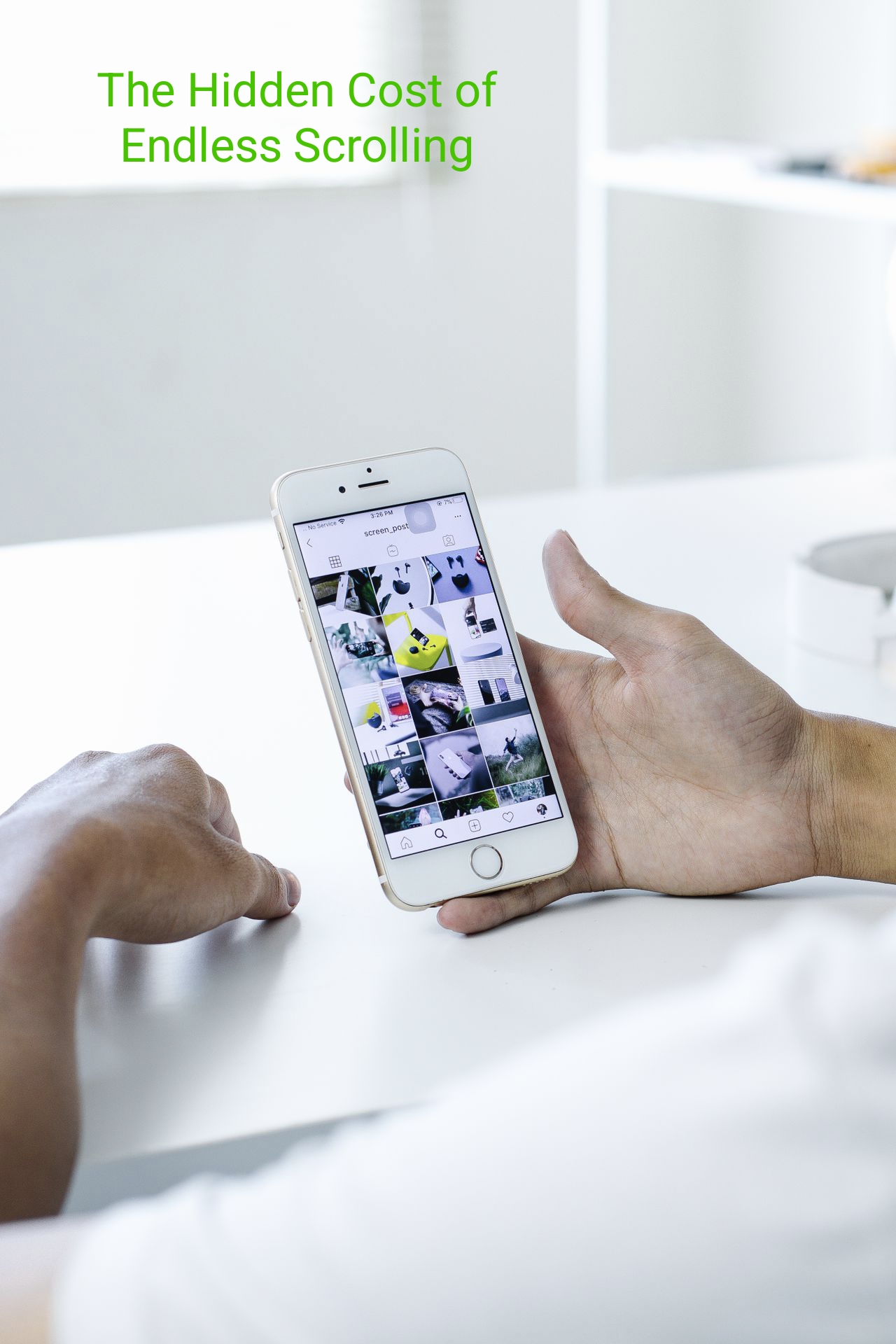
What Social Media Is Really Taking From You
introduction
Have you ever opened Instagram, YouTube Shorts, Facebook, or TikTok for “just five minutes” and then realized an hour had disappeared?
Most people have.
The hidden cost of Endless scrolling has become one of the most common habits of the digital age. It feels harmless because it doesn’t look like a serious problem. You’re not spending money. You’re not doing anything dangerous. You’re simply watching videos, reading posts, and consuming content.
But beneath the surface, endless scrolling carries hidden costs that many people never notice until they begin affecting their productivity, focus, mental well-being, and long-term goals.
The real danger isn’t social media itself. Social media can be educational, inspiring, and useful when used intentionally.
The problem begins when scrolling becomes automatic.
Let’s explore what endless scrolling is really taking from you and how you can take control before it costs even more.
Why Endless Scrolling Feels So Good
Social media platforms are designed to keep your attention.
Every swipe brings something new:
•A funny video
•An interesting story
•A shocking headline
•A motivational quote
•A viral trend
Your brain loves novelty.
Each new piece of content creates anticipation. You never know what you’ll see next, which keeps you scrolling.
This creates a reward loop.
The more you scroll, the more your brain expects instant stimulation.
Over time, normal activities like reading, studying, working, or even having conversations can start feeling less exciting because they don’t provide the same constant stream of rewards.

Endless scrolling often feels harmless until hours disappear without notice.
The Time Cost Nobody Talks About
The most obvious cost of endless scrolling is time.
Imagine spending:
•1 hour per day scrolling
•7 hours per week
•Around 365 hours per year
That’s more than 15 full days every year.
Now imagine spending:
•3 hours daily scrolling
•More than 1,000 hours annually
That’s the equivalent of several months of focused work, learning, reading, or skill development.
Many people say they don’t have time to:
•Start a blog
•Learn a skill
•Read books
•Exercise
•Build a side hustle
Yet hours disappear every week through mindless scrolling.
The issue isn’t always a lack of time.
Often, it’s a lack of awareness about where time is going.
How Endless Scrolling Damages Focus
One of the biggest hidden costs is reduced attention span.
When your brain becomes used to consuming content every few seconds, it starts expecting constant stimulation.
https://sandeepblogging.com/why-short-videos-are-destroying-your-attention-span/
As a result:
•Reading books feels harder
•Long articles seem boring
•Deep work becomes difficult
•Studying requires more effort
This is one reason many people struggle to focus today.
Their brains have become trained to seek quick rewards instead of sustained attention.
https://sandeepblogging.com/why-our-brain-cant-focus-anymore/
Focus is like a muscle.
The more you practice concentration, the stronger it becomes.
The more you practice distraction, the weaker it becomes.
This is why many people feel mentally exhausted despite spending hours consuming content.
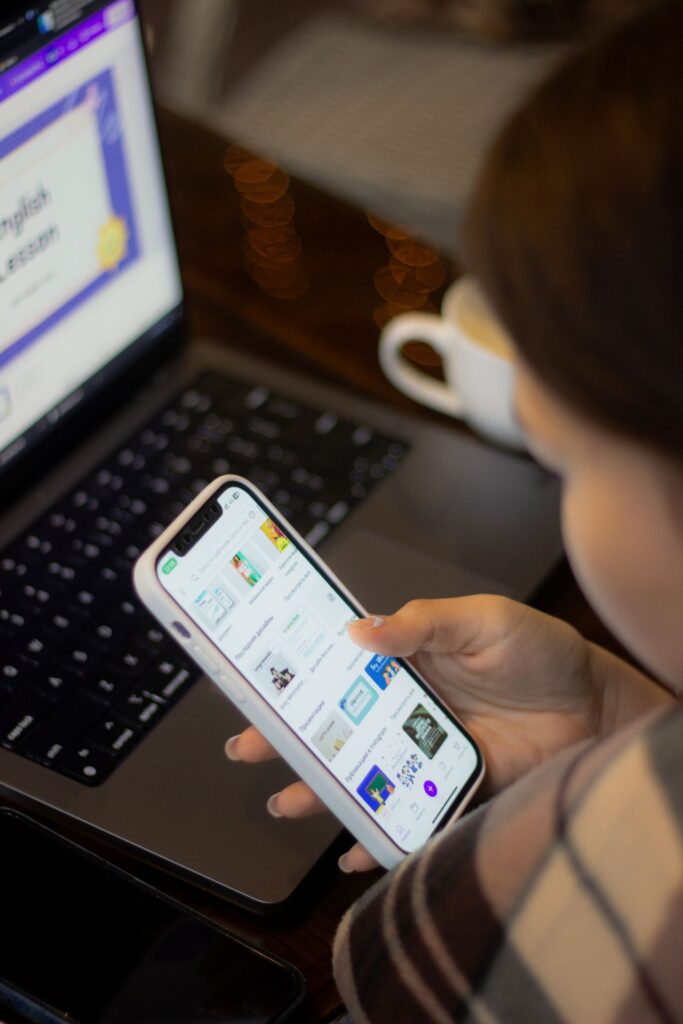
Constant digital distractions make deep focus increasingly difficult.
The Productivity Trap
Scrolling often creates the illusion of activity.
You feel busy.
You feel informed.
But very little meaningful progress is happening.

Consider the difference:
Scrolling for one hour:
•Consumes information
Focused work for one hour:
•Creates value
Scrolling rarely moves you closer to your goals.
Focused action does.
The problem isn’t taking breaks.
Everyone needs rest.
The problem is when scrolling becomes the default response to boredom, stress, uncertainty, or discomfort.
Instead of solving problems, we distract ourselves from them.
Instead of taking action, we consume more content
Over time, productivity suffers.
Endless Scrolling and Mental Well-Being
Social media doesn’t only affect productivity.
It can also influence mental health.
Many platforms expose users to:
•Highlight reels of other people’s lives
•Unrealistic success stories
•Constant comparisons
•Negative news
•Information overload
When consumed excessively, this can create:
•Stress
•Anxiety
•Self-doubt
•Mental fatigue
You may not consciously notice these effects.
But your mind is processing everything you consume.
Just as unhealthy food affects your body, unhealthy content can affect your mental environment.
Being selective about what you consume matters.
https://sandeepblogging.com/hidden-stress-behind-notifications/
The Opportunity Cost of Scrolling
Every choice has an opportunity cost.
When you spend an hour scrolling, you’re also choosing not to spend that hour doing something else.https://www.apa.org/
For example:
One hour could be used to:
Read 20 pages of a book
•Learn a new skill
•Exercise
•Write content
•Build a business
•Spend time with family
•Improve your health
The biggest cost isn’t what scrolling gives you.
It’s what it prevents you from doing.
Years later, people rarely regret reading books, learning skills, or investing in themselves.
But many regret wasting countless hours on activities they barely remember.

Small daily habits can accumulate into hundreds of lost hours every year.
What Endless Scrolling Takes From Your Future
The impact of scrolling compounds over time.
Just as positive habits create positive outcomes, negative habits create negative outcomes.
A few minutes may not matter.
A few hours every day certainly do.
Imagine two people:
Person A:
•Reads daily
•Learns new skills
•Works on personal goals
Person B:
Spends the same time scrolling
After a week, the difference is small.
After a year, the difference becomes significant.
After five years, the gap can be enormous.
The future you want is built by how you spend your time today.
How to Break the Endless Scrolling Habit
The goal isn’t to quit social media completely.
The goal is intentional use.
1. Track Your Screen Time
Most smartphones provide screen-time reports.
Awareness is the first step.
2. Remove Unnecessary Notifications
Notifications encourage impulsive checking.
Turn off everything that isn’t essential.
3. Create Phone-Free Periods
Try:
•First hour after waking up
•During meals
•Before bedtime
4. Replace the Habit
Don’t just remove scrolling.
Replace it with:
•Reading
•Walking
•Journaling
•Learning
5•Set Daily Limits
Even a simple limit can dramatically reduce mindless use.
6. Use Social Media Intentionally
Open apps with a purpose.
Avoid opening them out of boredom.
7. Practice Deep Work
Spend dedicated time focusing on a single task without interruptions.
This helps rebuild attention span.
https://sandeepblogging.com/why-procrastination-feels-good-in-the-moment/

Leave a Reply
You must be logged in to post a comment.