Tag: Time management

  • Why Procrastination Feels Good in the Moment (And How to Beat It)

    Why Procrastination Feels Good in the Moment (And How to Beat It)

    Procrastination often feels rewarding because it provides temporary relief from difficult or uncomfortable tasks.

    Introduction

    Have you ever opened your laptop to work on an important task, only to find yourself scrolling social media, watching videos, or organizing things that suddenly seem urgent?

    Most people think procrastination is a time management problem.

    It isn’t.

    Constant digital stimulation can significantly affect your attention span and make important work feel harder to start.

    https://sandeepblogging.com/why-short-videos-are-destroying-your-attention-span/

    Procrastination is often an emotion management problem.

    The reason procrastination is so common is that it actually feels good in the moment. When we delay a difficult task, our brain experiences temporary relief. That relief becomes rewarding, making procrastination a habit that repeats itself.

    In this article, we’ll explore why procrastination feels so satisfying, how it affects productivity, and what you can do to break the cycle.

    What Is Procrastination?

    Procrastination is the act of delaying or avoiding tasks that you know are important.

    Examples include:
    Putting off studying for an exam

    Delaying a work project

    Avoiding difficult conversations

    Postponing exercise

    Waiting until the last minute to complete assignments

    The key difference between procrastination and rest is intention.

    Rest is a planned recovery activity.

    Procrastination is avoiding something you know you should be doing.

    Why Procrastination Feels Good

    Avoiding difficult tasks can create temporary emotional relief, which reinforces procrastination habits.

    Many people assume procrastination happens because they are lazy.

    Research suggests something different.

    When we face a difficult task, we may experience:

    Stress

    Anxiety

    Fear of failure

    Uncertainty

    Mental discomfort

    Our brain naturally wants to reduce discomfort.

    When we switch from a difficult task to something easier, we experience immediate relief.

    That relief feels rewarding.

    The problem is that the reward is temporary.

    The Instant Gratification Trap

    Social media and short-form content provide immediate rewards that compete with long-term goals.

    Frequent phone checking habits make instant gratification even more difficult to resist.

    https://sandeepblogging.com/why-we-check-our-phones-hundreds-of-times-a-day/

    Modern technology makes procrastination easier than ever.

    Social media, short videos, games, and endless notifications provide instant rewards.

    Compare these two options:

    Option A: Spend two hours working on a challenging project.

    Option B: Watch entertaining videos for two hours.

    The second option delivers immediate pleasure.

    The first option requires effort before rewards appear.

    Our brains often choose immediate rewards over delayed rewards.

    This is known as instant gratification.

    Why Your Brain Chooses Short-Term Rewards

    psychology research

    https://www.apa.org/

    Human brains evolved to prioritize immediate benefits.

    Thousands of years ago, immediate rewards helped humans survive.

    Today, that same tendency can work against us.

    Social media platforms, mobile apps, and entertainment content are designed to provide frequent rewards.

    Every like, comment, notification, or new video can trigger curiosity and engagement.

    As a result, important tasks often lose the competition for attention.

    The Hidden Cost of Procrastination

    Delaying important tasks often increases stress, mental fatigue, and pressure over time.

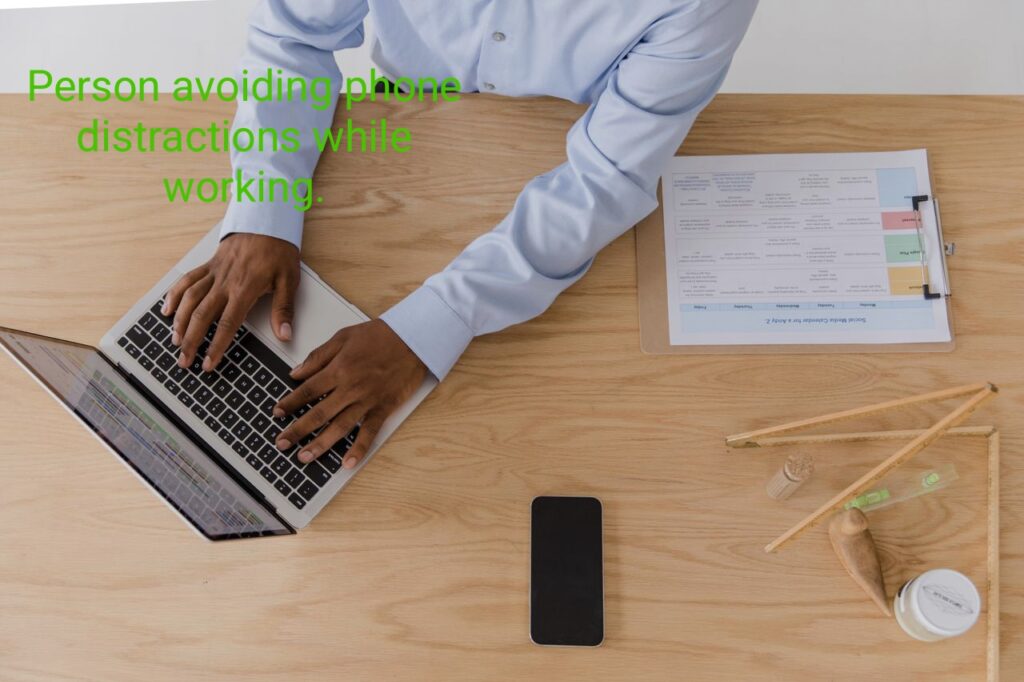
    Constant notifications and distractions can make procrastination even worse.

    https://sandeepblogging.com/hidden-stress-behind-notifications/

    Although procrastination feels good initially, the long-term consequences can be significant.

    Common effects include:

    Increased Stress

    The task doesn’t disappear.

    It remains in the background, creating ongoing mental pressure.

    Reduced Productivity

    Delaying important work leaves less time to complete it properly.

    Lower Confidence

    Repeated procrastination can make people doubt their abilities.

    Poor Quality Results

    Last-minute work is often rushed and less effective.

    Mental Fatigue

    Constantly thinking about unfinished tasks consumes mental energy.

    How To Beat Procrastination

    Small focused actions are often more effective than waiting for motivation to appear.

    Many people combine procrastination with multitasking, which further reduces productivity.

    https://sandeepblogging.com/why-multitasking-doesnt-work/

    1. Use the Five-Minute Rule

    Tell yourself:

    “I only need to work on this for five minutes.”

    Starting is usually the hardest part.

    Once you begin, continuing becomes easier.

    2. Break Large Tasks Into Small Steps

    Big tasks feel overwhelming.

    Instead of:

    “Write a blog post.”

    Try:

    Choose topic

    Create outline

    Write introduction

    Write first section

    Small steps reduce mental resistance.

    3. Remove Distractions

    Create an environment that supports focus.

    Examples:

    Silence notifications

    Put your phone away

    Close unnecessary tabs

    Use website blockers if needed

    4. Focus on Progress, Not Perfection

    Perfectionism often causes procrastination.

    Many people delay work because they want everything to be perfect.

    Progress matters more than perfection.

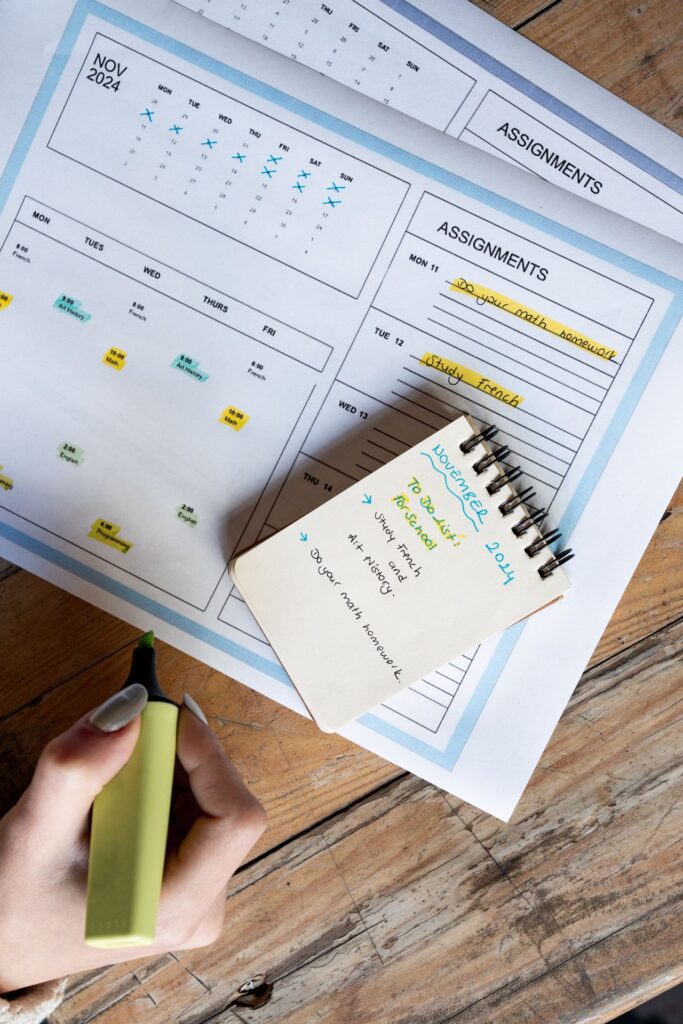
    5. Schedule Deep Work Sessions

    Set aside dedicated time for focused work.

    Even 30 minutes of uninterrupted focus can produce meaningful results.

    Building Better Habits

    productivity research

    https://hbr.org/

    Overcoming procrastination isn’t about becoming perfect.

    Everyone procrastinates sometimes.

    The goal is to reduce how often it happens.

    Small daily improvements create long-term results.

    A person who starts tasks consistently will usually outperform someone who waits for perfect motivation.

    Final Thoughts

    Procrastination feels good because it provides immediate relief from discomfort.

    The problem is that temporary relief often creates bigger problems later.

    The next time you feel the urge to delay an important task, remember this:

    You don’t need to finish the entire task.

    You only need to start.

    One small action can break the cycle of procrastination and build momentum toward meaningful progress.

    The more often you choose action over avoidance, the easier focus and productivity become.

  • Why We Check Our Phones Hundreds of Times a Day (And How to Stop)

    Why We Check Our Phones Hundreds of Times a Day (And How to Stop)

    Many people check their phones automatically throughout the day without realizing how often it happens.

    Introduction

    Have you ever unlocked your phone to check one notification and then found yourself scrolling for ten minutes without realizing it?

    You’re not alone.

    Many people check their phones dozens or even hundreds of times every day. Sometimes we do it intentionally. Other times it happens automatically, almost like a reflex.

    A quick glance at a notification becomes a social media scroll. A short check of messages turns into twenty minutes of browsing videos. Before we know it, our attention has been pulled away from work, study, conversations, and even relaxation.

    The surprising part is that most people are not consciously deciding to check their phones so often. Modern apps and devices are designed to capture attention and encourage repeated engagement.

    In this article, we’ll explore why we constantly reach for our phones, how notifications and social media influence our behavior, and practical strategies to regain control of our attention.

    The Habit Loop Behind Phone Checking

    Phone checking often follows a simple habit loop:

    https://www.apa.org/

    1•Trigger

    2•Action

    3•Reward

    A notification appears.

    You check your phone.

    You receive information, entertainment, or social interaction.

    Your brain begins associating phone checking with rewards. Over time, the behavior becomes automatic.

    Even when there is no notification, many people continue checking their devices out of habit.

    Why Notifications Are So Powerful

    Phone notifications causing distractions and reducing focus

    Notifications create curiosity and encourage frequent phone checking, even when the information isn’t important.

    Notifications create curiosity.

    A message, comment, email, or social media alert signals that something new might be waiting for us.

    Because humans naturally seek new information, notifications can feel difficult to ignore.

    This constant interruption can reduce focus and make it harder to engage in deep work.

    If you haven’t already, read our article on Hidden Stress Behind Notifications to understand how frequent alerts affect mental well-being.

    https://sandeepblogging.com/hidden-stress-behind-notifications/

    The Role of Social Media

    Social media scrolling and attention span problems

    Personalized feeds and endless scrolling features are designed to keep users engaged for longer periods.

    Social media platforms compete for attention.

    Features such as infinite scrolling, personalized feeds, and recommendations encourage users to spend more time inside apps.

    Every swipe presents something new.

    That unpredictability keeps users engaged because the next piece of content might be interesting, funny, or rewarding.

    This is one reason short-form content can feel so difficult to stop consuming.

    You may also enjoy reading Why Short Videos Are Destroying Your Attention Span for a deeper look at this topic.

    https://sandeepblogging.com/why-short-videos-are-destroying-your-attention-span/

    Why We Reach for Our Phones When We’re Bored

    https://hbr.org/

    Boredom is uncomfortable for many people.

    Whenever we experience a quiet moment, we often look for stimulation.

    •Waiting in line.

    •Riding public transport.

    •Taking a short break.

    Instead of allowing our minds to rest, we instinctively reach for our phones.

    Over time, this can reduce our tolerance for boredom and make it harder to focus on longer, more demanding tasks.

    How Frequent Phone Checking Affects Focus

    Improving focus by reducing phone distractions

    Reducing notifications and creating phone-free periods can help improve focus and productivity.

    Every interruption forces the brain to switch attention.

    Even a brief phone check can disrupt concentration.

    Research suggests that returning to a task after an interruption often takes longer than people expect.

    This is one reason multitasking feels productive but often reduces performance.

    For more on this topic, see Why Multitasking Doesn’t Work (And What To Do Instead).

    https://sandeepblogging.com/why-multitasking-doesnt-work/

    The Connection Between Phones and Mental Fatigue

    Constant connectivity creates mental load.

    Messages.

    Notifications.

    Updates.

    Emails.

    News alerts.

    Each demand for attention requires mental energy.

    When these interruptions occur throughout the day, many people experience reduced concentration and increased fatigue.

    Practical Ways to Check Your Phone Less

    1. Disable Non-Essential Notifications

    Turn off alerts that do not require immediate attention.

    2. Create Phone-Free Work Sessions

    Work for 30–60 minutes without checking your device.

    3. Keep Your Phone Out of Reach

    Physical distance reduces temptation.

    4. Remove Distracting Apps From the Home Screen

    Make distractions less accessible.

    5. Schedule Intentional Check-In Times

    Instead of reacting to every notification, check messages at planned intervals.

    Final Thoughts

    Checking your phone occasionally isn’t a problem.

    The issue begins when phone checking becomes automatic and starts controlling your attention.

    Understanding why we reach for our devices is the first step toward changing the habit

    By reducing unnecessary notifications, creating focused work sessions, and becoming more intentional with technology use, you can regain control of your attention and improve both productivity and well-being.

    Your attention is one of your most valuable resources. Protect it carefully.

  • Why Multitasking Doesn’t Work (And What To Do Instead)

    Why Multitasking Doesn’t Work (And What To Do Instead)

    Multitasking may feel productive, but constant task switching often reduces focus and efficiency.

    Introduction

    Imagine you trying to read a book, reply to messages, check email, and watch a video at the same time

    Most of us think we’re multitasking efficiently.

    In reality, we’re usually switching between tasks rapidly rather than performing them simultaneously.

    Modern technology encourages multitasking. Notifications arrive constantly, multiple browser tabs stay open, and social media competes for our attention every minute of the day.

    While multitasking may feel productive, research and everyday experience suggest the opposite. Constant task switching often reduces productivity, increases mistakes, and leaves us mentally exhausted.

    What Is Multitasking?

    Every time we switch between tasks, the brain needs time to refocus, reducing productivity and increasing mental fatigue.

    Multitasking is the act of handling multiple activities during the same period.

    Examples include:

    •Checking emails while attending a meeting

    •Replying to messages while studying

    •Watching videos while working

    •Scrolling social media during conversations

    Although it feels efficient, the brain is usually not performing all tasks at once. Instead, it rapidly shifts attention from one activity to another.

    The Myth Of Being More Productive

    Harvard Business Review

    https://hbr.org/

    Single-tasking allows the brain to concentrate fully, leading to better work quality and improved focus.

    Many people believe multitasking helps them get more done.

    The reality is different.

    Each time attention shifts, the brain requires time to refocus.

    These small interruptions may seem insignificant, but they accumulate throughout the day.

    As a result:

    Tasks take longer

    Concentration decreases

    Mental fatigue increases

    What feels like productivity often becomes hidden inefficiency.

    Why The Brain Struggles With Multitasking

    Why Our Brain Can’t Focus Anymore

    https://sandeepblogging.com/why-our-brain-cant-focus-anymore/

    Human attention is limited.

    When we switch between activities, the brain pays a cognitive cost.

    Instead of dedicating full attention to one task, mental resources become divided.

    This creates:

    Reduced accuracy

    Lower creativity

    Increased stress

    More mistakes

    The more frequently we switch tasks, the harder it becomes to maintain deep focus.

    American Psychological Association

    https://www.apa.org

    The Cost Of Constant Task Switching

    Why Short Videos Are Destroying Your Attention Span

    https://sandeepblogging.com/why-short-videos-are-destroying-your-attention-span/

    •Consider a typical workday.

    •You begin writing a report.

    •A notification appears.

    •You check your phone.

    •Then an email arrives.

    Next, you open social media for a quick look.

    Within minutes, your attention has shifted multiple times.

    Even when returning to the original task, your brain needs time to regain momentum.

    This process repeats throughout the day, reducing overall productivity.

    How Multitasking Affects Learning

    Students often study while watching videos or checking social media.

    Although it feels manageable, information retention usually suffers.

    Learning requires focused attention.

    When attention is divided, comprehension becomes weaker and memory formation becomes less effective.

    This is one reason many people spend hours studying yet remember very little afterward

    The Link Between Multitasking And Stress

    Hidden Stress Behind Notifications

    https://sandeepblogging.com/hidden-stress-behind-notifications/

    Multitasking creates a constant sense of urgency.

    Notifications, messages, and unfinished tasks compete for attention simultaneously.

    This can create mental overload and increase feelings of stress.

    Over time, the habit may contribute to burnout, fatigue, and difficulty concentrating.

    What To Do Instead: Single-Tasking

    Single-tasking allows the brain to concentrate fully, leading to better work quality and improved focus.

    Single-tasking means focusing on one activity at a time.

    It sounds simple, but it can dramatically improve productivity.

    Benefits include:

    Better concentration

    Higher-quality work

    Faster completion times

    Reduced stress

    When attention remains on a single task, the brain works more efficiently.

    Practical Tips To Stop Multitasking

    Frequent notifications interrupt deep work and train the brain to seek constant stimulation.

    1•Turn off unnecessary notifications.

    2•Keep only essential tabs open.

    3•Schedule specific times for email.

    4•Use focus sessions of 25–50 minutes.

    5•Place your phone away while working.

    6•Complete one important task before starting another.

    Small changes can produce significant improvements over time.

    Final Thoughts

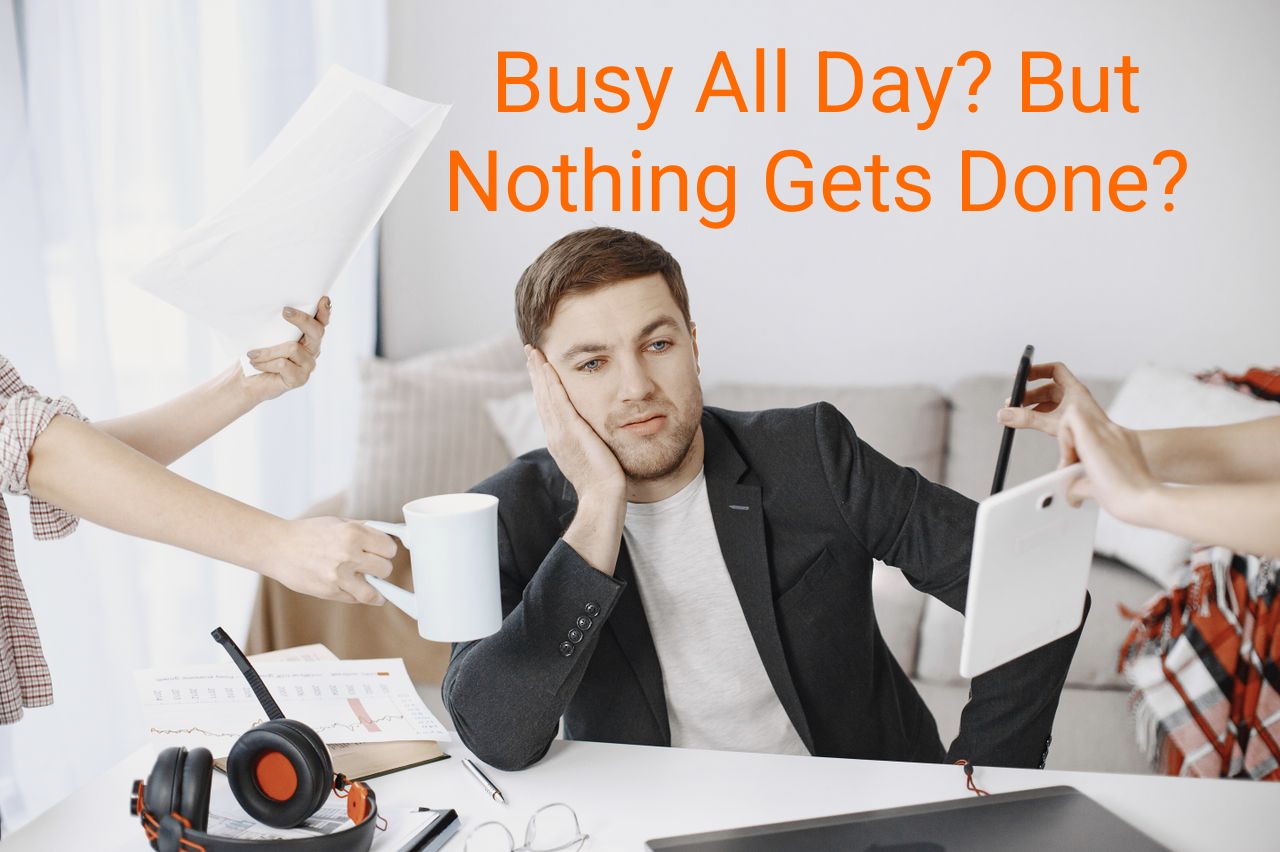
    Multitasking often feels productive because we stay busy.

    However, being busy and being effective are not the same thing.

    The brain performs best when it can focus on one meaningful task at a time.

    If you want better results, stronger focus, and less stress, consider replacing multitasking with intentional single-tasking.

    Your attention is one of your most valuable resources. Protect it wisely.