Motivation helps you start. Discipline helps you continue.
Introduction
Almost everyone wants to become more successful, productive, healthier, or financially stronger.
When we feel inspired, we often say things like:
•“I’ll wake up early from tomorrow.”
•“I’ll work on my goals every day.”
•I’ll stop wasting time.”
•“I’ll stay consistent this time.”
For a few days, everything goes well.
Then motivation fades.
This is where many people start asking an important question:like Discipline vs Motivation
What is more important for success: motivation or discipline?What is more important for success: motivation or discipline?
Social media usually glorifies motivation. We see
energetic speeches, inspirational quotes, and videos that make us feel ready to change our lives instantly.
But long-term success is rarely built on temporary emotions.
Successful students, professionals, athletes, entrepreneurs, and creators often rely less on motivation and more on discipline.
In this article, we’ll explore the real difference between discipline and motivation, why people confuse them, and which one actually creates lasting results.
Why People Confuse over Discipline and Motivation
At first glance, they seem similar because both can make you take action.
But they come from different sources.
Motivation. Vs Discipline
•Emotional. •Behavioral
•Temporary. •Consistent
•Depends on mood. • Depends on commitment
•Helps you start. •Helps you continue
Motivation feels exciting.
Discipline feels repetitive.
Motivation is often visible.
Discipline is usually quiet.
And that is why many people underestimate it.
What Is Motivation? 🔥
Motivation is the desire or emotional drive to do something.
It can come from:
•A powerful video
•A book
•A mentor
•A life event
•Fear of failure
•Desire for success
Inspiration from others
For example, after watching a motivational video, you may feel excited to start exercising, studying, or building a business.

Motivation can create a strong emotional start.
The Good Side of Motivation
Motivation is useful because it:
•Creates enthusiasm
•Helps you begin
•Increases energy temporarily
•Makes difficult tasks feel easier
Without motivation, many people would never start.
The Limitation of Motivation
The problem is that motivation is not stable.
Some days you feel inspired.
Some days you feel tired, stressed, distracted, or discouraged.
If your progress depends only on motivation, your results will rise and fall with your emotions.
Think about how often people start:
•A new diet
•A new course
•A new routine
•A new goal
…and quit within a few days or weeks.
The issue is usually not a lack of potential.
It is a lack of consistency.
What Is Discipline? ⚔️
Discipline is the ability to do what needs to be done even when you don’t feel like doing it.
It is not about being harsh with yourself.
It is about being committed to your goals.
Examples of Discipline
•Studying when you are not motivated
•Exercising when you feel lazy
•Writing content when views are low
•Saving money instead of spending impulsively
•Going to bed on time
•Continuing after a setback
Discipline is less emotional and more intentional.It says:

Discipline helps you continue even when motivation disappears.
“My feelings may change, but my commitment does not.”
The Most Important Difference 🎯
Imagine two people with the same goal: to become fit.
Person A – Motivation-Based
•Exercises when inspired
•Skips workouts when tired
•Starts strong
•Stops often
Person B – Discipline-Based
•Exercises on a schedule
•Works out even on low-energy days
•Does not rely on excitement
•Keeps showing up
After 6 months, who is more likely to get results?
Usually Person B.
Why?
Because success is often not the result of one extraordinary effort.
It is the result of ordinary actions repeated consistently.
Why Motivation Fades 📉
Most people are not lazy. They simply expect motivation to stay forever.
The problem is that motivation is heavily influenced by:
•Mood
•Sleep
•Stress
•Energy levels
•Environment
•Results
•Feedback from others
When these factors change, motivation changes too.
Think about the first day of a new goal.
You feel excited. You imagine the future. You are full of energy.
But after a few days, reality appears:
•The work becomes repetitive.
•Results are not immediate.
•Progress feels slow.
•Distractions return.
•Excitement decreases.
This is completely normal.
For a deeper understanding of how habits and consistency work, this is a useful resource:
Why Discipline Wins 🏆
Discipline does not ask:
“Do I feel like it?”
It asks:
“Is this important enough to do anyway?”
This is a huge mindset shift.
Successful people often reduce the number of decisions they need to make.
Instead of deciding every day whether to work, they create a routine.
https://sandeepblogging.com/10-mindset-truths-successful-people-rarely-talk-about/
Example
•6:30 AM → Exercise
•8:00 AM → Deep work
•1:00 PM → Learning
•9:30 PM → Sleep
The routine removes negotiation.
Discipline is powerful because it works even when motivation is absent.
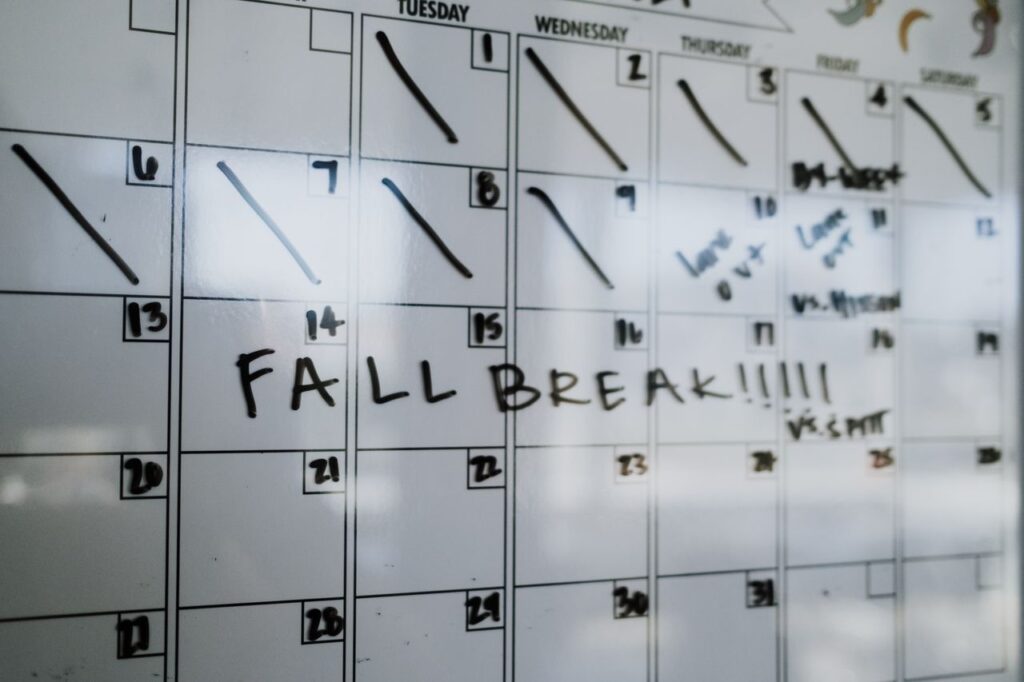
Consistency creates results that compound over time.
Research on self-regulation and behavior supports the importance of consistent actions:
https://www.apa.org/topics/self-regulation
The Compound Effect of Discipline
Imagine improving by just 1% each day.
Small daily actions may look insignificant, but over months and years they create a massive difference.
1 disciplined day → Small progress
30 disciplined days → Visible progress
365 disciplined days → Life-changing progress
This is why consistency often beats talent.
Real-Life Examples 🌍
Fitness
•Motivation: “I want a six-pack.”
•Discipline: Going to the gym when you are tired.
Long-term success is built through repeated daily actions.
Studies
•Motivation: Feeling inspired after watching a topper’s video.
•Discipline: Studying every day according to a schedule.
Content Creation
•Motivation: Posting when views are high.
•Discipline: Posting consistently even when views are low.
Career Growth
•Motivation: Wanting a promotion.
•Discipline: Learning skills regularly and doing quality work consistently.
In every field, long-term winners usually rely more on discipline than inspiration.
The Biggest Mistake People Make ❌
They try to become disciplined through extreme routines.
For example:
•Wake up at 4 AM
•Exercise 2 hours
•Study 5 hours
•Read 1 hour
•Meditate 30 minutes
•No social media
•Sleep at 9 PM
Better Approach: Start Small
Instead of:
•Read 50 pages → Read 5 pages
•Exercise 1 hour → Exercise 10 minutes
•Study 4 hours → Study 25 minutes
•Write 1000 words → Write 100 words
Discipline grows through repetition, not intensity.
Motivation Is Not Useless
This is important.
The goal is not to reject motivation.
Use motivation to:
•Start a new goal
•Create a plan
•Build a routine
•Take the first step
Then use discipline to maintain the behavior.Think of it this way:
Motivation = Spark
Discipline = Engine
A spark can start a fire, but the engine keeps the vehicle moving.
How to Build Real Discipline 🧠
Discipline is not a personality trait that some people are born with.
It is a skill.
And like any skill, it becomes stronger with practice.
Most people try to build discipline by forcing themselves to do difficult things. A better approach is to make good actions easy to repeat.
Step 1: Reduce Friction
Make the desired action easier.
•Keep your book on the desk.
•Keep workout clothes ready.
•Open the document before starting work
•Remove distracting apps from the home
screen.
Step 2: Attach It to an Existing Habit
This is called habit stacking.
•After brushing → Read 5 pages.
•After breakfast → Work for 25 minutes.
•After lunch → Learn one new thing.
Step 3: Focus on Showing Up
In the beginning, the goal is not perfection.
The goal is consistency.
Even 5 minutes counts.
https://sandeepblogging.com/why-you-are-busy-but-not-productive/
The 7-Day Discipline Challenge 📅
Day1•Choose one important goal
Day2•Remove one major distraction
Day3•Work on the goal for 10 minutes
Day4•Repeat even if you don’t feel motivated
Day5•Track your progress
Day6•Increase the time slightly
Day7•Review what worked and continue
This challenge is intentionally small.
Small wins build confidence.
Confidence supports consistency.
Consistency builds discipline.
Small repeated actions build strong discipline.
What Successful People Really Do 🔍
Successful people are not robots.
They do not wake up excited every day.
What they often do is:
•Start before they feel ready.
•Keep going when progress is slow.
•Protect their focus.
•Repeat boring fundamentals.
•Think long term.
This is less glamorous than motivational videos, but far more effective.
The Long-Term Perspective ⏳
Imagine two people over five years.
Motivation-driven personWorks hard occasionally
•Works hard occasionally
•Takes long breaks
•Starts many things
•Finishes few things
Discipline-driven personWorks steadily and consistently
•Works steadily
•Takes short breaks
•Starts fewer things
•Finishes more things
The second person may look less impressive day to day.
But after years, the difference becomes enormous

Discipline is the bridge between goals and long-term success.
Conclusion
So, what actually creates long-term success?
Not motivation alone.
Motivation is valuable, but it is temporary.
Discipline is what turns goals into habits and habits into results.
Let’s recap:
•🔥 Motivation helps you start
•⚔️ Discipline helps you continue
•📉 Motivation fades
•🏆 Discipline compounds
•🌱 Small habits beat extreme routines
•⏳ Long-term consistency creates transformation
If you remember only one sentence from this article, remember this:
Motivation can change your day. Discipline can change your life.
Do not wait for the perfect mood.
Do not wait for inspiration.
Choose one meaningful action and repeat it consistently.
That is how real progress is built.
💬 If you had to choose only one for the next year—discipline or motivation—which would you choose and why?
Save this article, share it with someone who is working on their goals, and remember:
🚀 Motivation may start the journey, but discipline is what finishes it.
https://sandeepblogging.com/10-daily-habits-to-improve-your-life-in-30-days/