Tag: focus

  • How to Build Self-Discipline: 10 Daily Habits That Actually Work

    How to Build Self-Discipline: 10 Daily Habits That Actually Work

    “Self-discipline is the bridge between your goals and your achievements.”

    Introduction

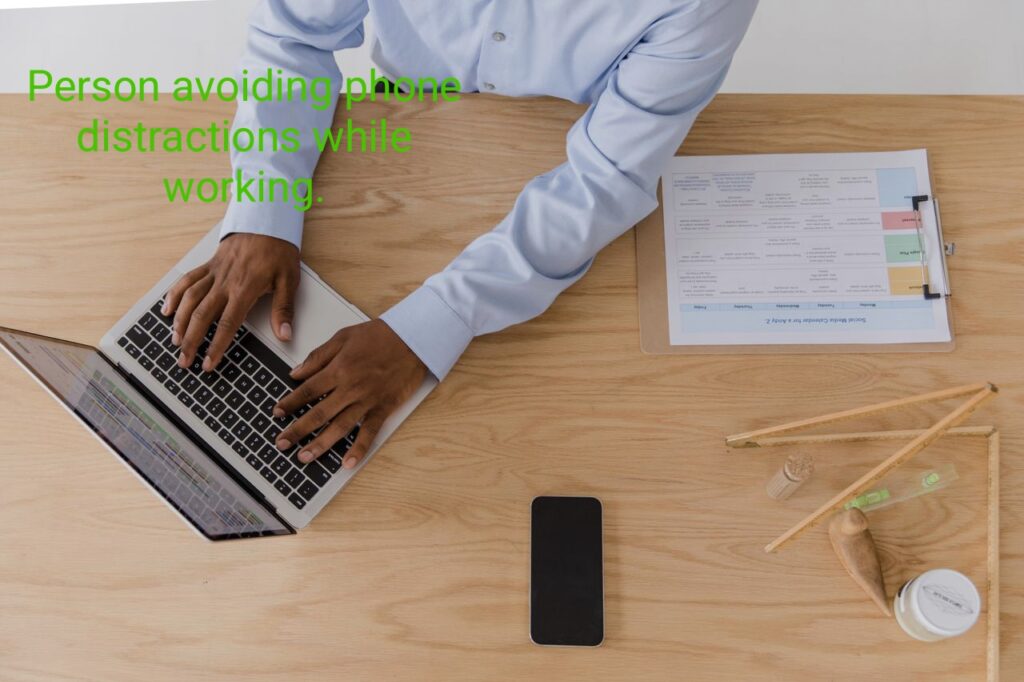
    Why do some people consistently achieve their goals while others struggle to stay motivated?

    The answer is rarely talent or luck. More often, it’s self-discipline.

    Self-discipline is the ability to do what needs to be done, even when you don’t feel like doing it. It’s the habit of making decisions based on your long-term goals rather than your short-term emotions.

    Many people wait for motivation before taking action. The problem is that motivation comes and goes. Self-discipline, on the other hand, helps you keep moving forward even on difficult days.

    Whether you want to build a successful career, grow an online business, improve your health, or learn new skills, self-discipline is one of the most valuable qualities you can develop.

    The good news is that self-discipline isn’t something you’re born with. Like any other skill, it can be built through small, consistent habits.

    In this article, we will discover 10 daily habits that can help you strengthen your self-discipline, improve your productivity, and achieve your goals more consistently.

    1. Wake Up at the Same Time Every Day

    Your day begins the moment you wake up.

    If you wake up at different times every day, your routine becomes inconsistent, making it harder to stay productive.

    Successful people often follow a regular sleep schedule because consistency creates discipline.

    Waking up at the same time trains your mind to follow routines instead of emotions.

    You don’t have to wake up at 5 a.m. to be successful. What matters most is choosing a realistic time and sticking to it every day.

    How to Build This Habit

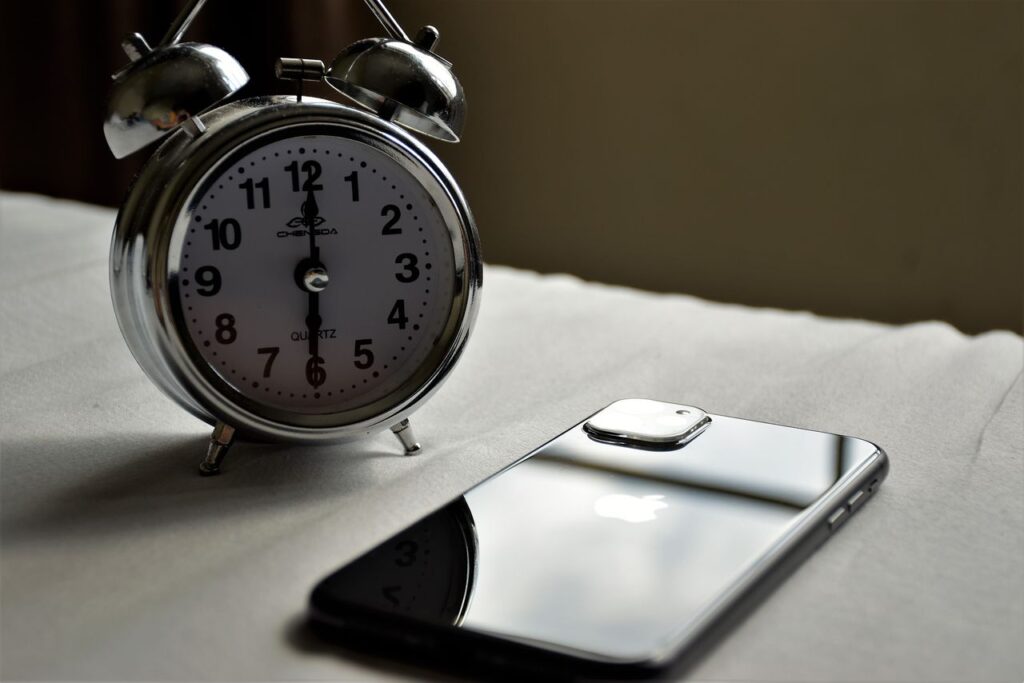
    •Set one alarm.

    •Avoid pressing the snooze button.

    •Go to bed at a consistent time.

    •Keep your phone away from your bed.

    Benefits:

    ✅ Better focus

    ✅ Higher energy

    ✅ Improved productivity

    ✅ Stronger discipline

    “Consistency starts with waking up at the same time every day.”

    2. Make Your Bed Every Morning

    Making your bed may seem like a small task, but it sends a powerful message to your brain:

    “I complete what I start.”

    This simple habit creates momentum and gives you an early sense of accomplishment.

    Small wins in the morning often lead to bigger wins throughout the day.

    Self-discipline grows through repeated actions—not big decisions.

    How to Build This Habit:

    Spend just two minutes making your bed after waking up.

    •Don’t aim for perfection.

    •Just complete the task.

    Benefits:

    ✅ Builds discipline

    ✅ Creates positive momentum

    ✅ Keeps your environment organized

    ✅ Encourages consistency

    3. Plan Your Day Before You Start Working

    Without a plan, you’ll spend your day reacting instead of creating.

    Many people start working without knowing their priorities.

    As a result, they stay busy but accomplish very little.

    Planning your day helps you focus on what truly matters.

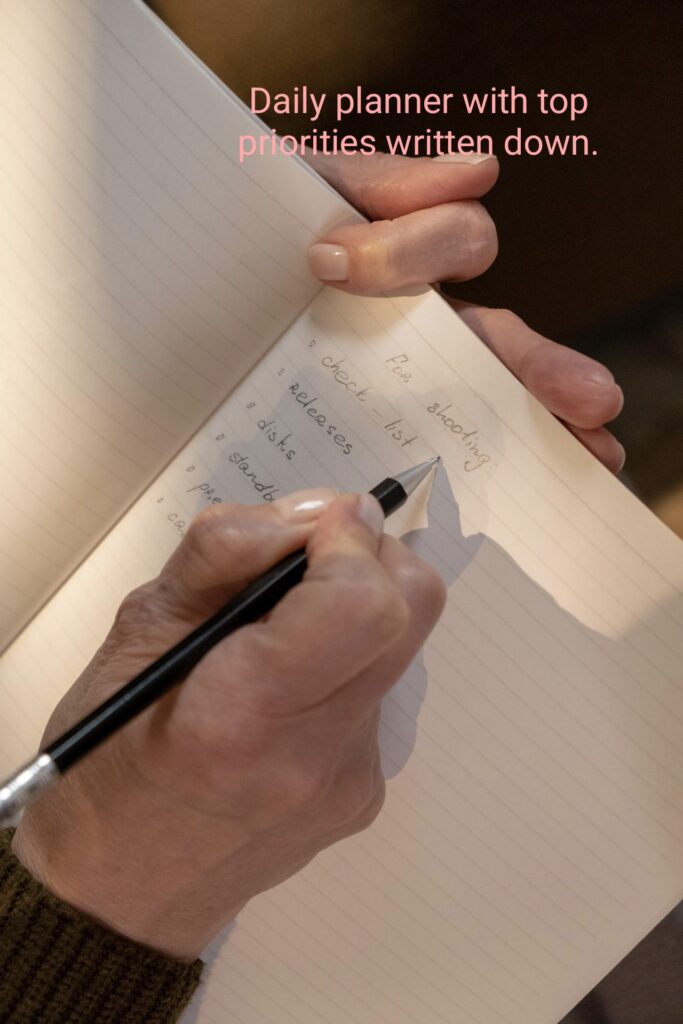
    Every morning, write down your Top 3 Most Important Tasks (MITs).

    Complete these before moving to less important work.

    Simple Planning Method:

    Write:

    1•My Most Important Task

    2•Second Priority

    3•Third Priority

    Everything else can wait.

    Benefits:

    ✅ Clear direction

    ✅ Better time management

    ✅ Reduced stress

    ✅ Higher productivity

    “A clear plan helps you focus on what matters most.”

    4. Finish Your Hardest Task First

    One of the biggest enemies of self-discipline is procrastination.

    Most people postpone difficult tasks until later in the day.

    Unfortunately, later often becomes tomorrow.

    Instead, complete your hardest task while your energy and focus are highest.

    This strategy is commonly known as “Eat the Frog.”

    Once your biggest challenge is complete, the rest of your day feels easier.

    How to Build This Habit

    •Identify your hardest task every morning.

    •Work on it before checking social media.

    •Remove distractions.

    •Focus for 45–60 minutes without interruption.

    Benefits:

    ✅ Less procrastination

    ✅ Better focus

    ✅ Faster progress

    ✅ Increased confidence

    “Complete your hardest task first while your mind is fresh.”

    Want to improve your focus while working? Read our guide on Deep Work: The Skill That Can Change Your Life to learn how distraction-free work boosts productivity.

    https://sandeepblogging.com/deep-work-skill-that-can-change-your-life/

    5. Limit Social Media Usage:

    Social media is one of the biggest distractions in today’s digital world.

    Most people don’t realize how much time they lose by checking notifications, watching short videos, or endlessly scrolling through feeds.

    Even five minutes can quickly turn into thirty.

    Self-discipline means controlling technology instead of letting technology control you.

    https://sandeepblogging.com/10-time-management-mistakes-killing-productivity/

    How to Build This Habit

    •Set a daily screen time limit.

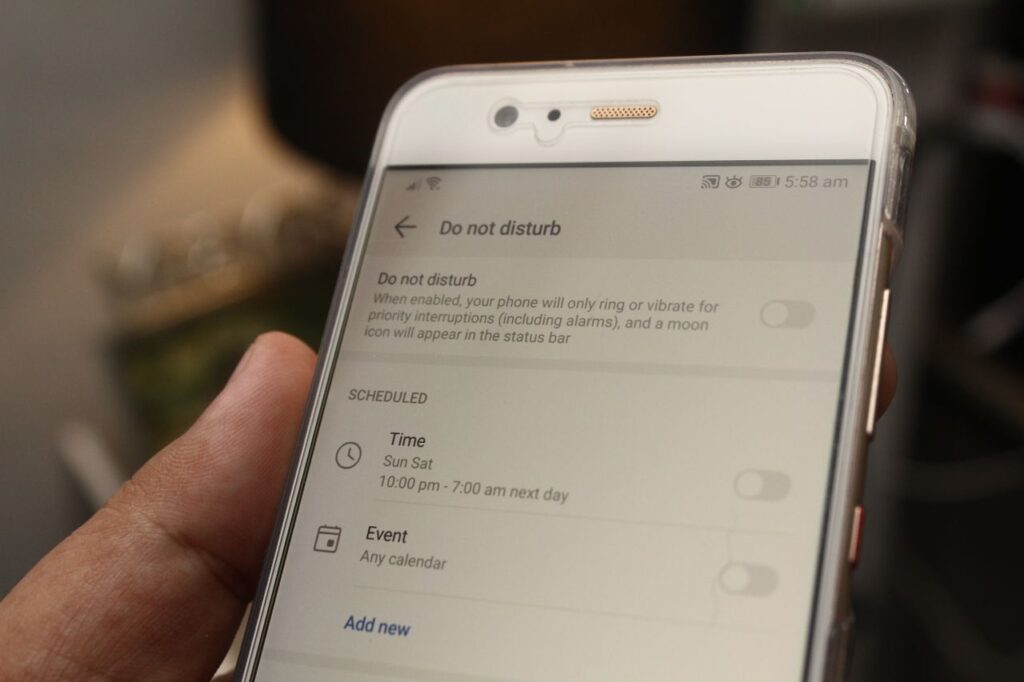
    •Turn off unnecessary notifications.

    •Avoid using social media during the first hour after waking up.

    •Keep your phone away while working.

    Benefits:

    ✅ Better concentration

    ✅ More free time

    ✅ Less stress

    ✅ Improved productivity

    “Control your phone before it controls your day.”

    6. Exercise Every Day

    Self-discipline isn’t only mental—it also grows through physical habits.

    Regular exercise improves your energy, confidence, mood, and focus.

    You don’t need an expensive gym membership.

    Even a 20-minute walk can make a difference.

    How to Build This Habit

    Choose one activity:

    •Walking

    •Running

    •Cycling

    •Yoga

    •Home workout

    The goal is consistency, not perfection.

    Benefits:

    ✅ Better physical health

    ✅ Improved mental focus

    ✅ Increased confidence

    ✅ More energy throughout the day

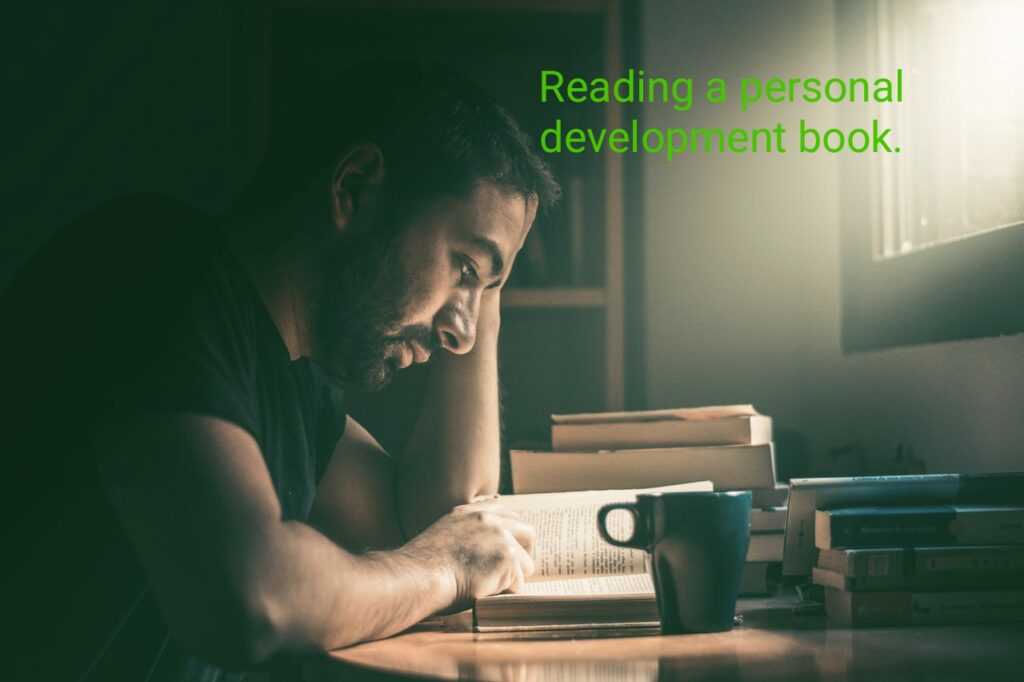
    7. Read for at Least 15 Minutes Daily

    Successful people never stop learning.

    Reading expands your knowledge, improves your thinking, and helps you make better decisions.

    Instead of scrolling social media, spend 15 minutes reading something valuable.

    Good Topics

    •Productivity:

    •Business

    •Finance

    •Communication

    •Personal development

    Benefits:

    ✅ Better knowledge

    ✅ Improved thinking

    ✅ Continuous growth

    ✅ New ideas

    “Reading every day is an investment in your future.”

    https://jamesclear.com/habits?utm_

    8. Keep Promises to Yourself

    One of the fastest ways to build self-discipline is to become someone who keeps promises.

    If you decide to exercise today, do it.

    If you promise yourself you’ll study for one hour, complete it.

    Every promise you keep builds self-confidence.

    Every promise you break weakens it.

    How to Build This Habit:

    Start small.

    Instead of setting unrealistic goals, begin with habits you can actually maintain.

    Consistency is more important than intensity.

    Benefits:

    ✅ Stronger self-confidence

    ✅ Better discipline

    ✅ Greater consistency

    ✅ Improved motivation

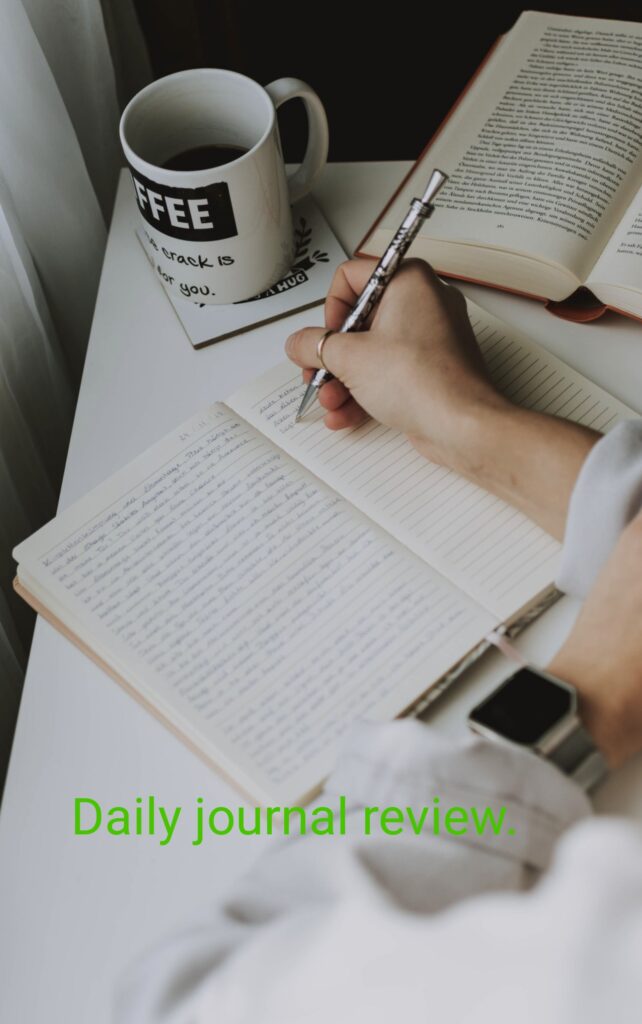
    9. Review Your Progress Every Evening

    Growth happens when you reflect on your actions.

    Spend five minutes every evening asking yourself:

    •What did I accomplish today?

    •What distracted me?

    •What can I improve tomorrow?

    This simple habit helps you become more intentional with your time and decisions.

    Benefits:

    ✅ Better planning

    ✅ Continuous improvement

    ✅ Increased awareness

    ✅ More productive days

    “Small daily reviews create big long-term improvements.”

    https://www.mindtools.com/?

    10. Stay Consistent Even When You Don’t Feel Motivated

    Motivation comes and goes.

    Discipline stays.

    Many people stop working when motivation disappears.

    Successful people continue because they rely on habits—not feelings.

    The secret isn’t doing something once.

    It’s repeating it until it becomes part of your lifestyle.

    How to Build This Habit

    •Focus on progress instead of perfection.

    •Never miss your habit two days in a row.

    •Celebrate small wins.

    •Remember why you started.

    Benefits:

    ✅ Long-term success

    ✅ Strong habits

    ✅ Greater confidence

    ✅ Better results

    Common Mistakes That Destroy Self-Discipline

    Avoid these habits:

    ❌ Waiting for motivation

    ❌ Setting unrealistic goals

    ❌ Comparing yourself to others

    ❌ Trying to change everything at once

    ❌ Giving up after one bad day

    Remember: discipline is built through consistent action, not perfection.

    7-Day Self-Discipline Challenge

    Challenge yourself for one week:

    Day 1: Wake up at the same time.

    Day 2: Make your bed.

    Day 3: Plan your top 3 tasks.

    Day 4: Exercise for 20 minutes.

    Day 5: Read for 15 minutes.

    Day 6: Avoid social media for one hour after waking up.

    Day 7: Review your progress and plan the next week.

    Small daily wins create lasting habits.

    Conclusion

    Self-discipline isn’t something you’re born with—it’s something you build through consistent daily actions.

    You don’t need to change your entire life overnight. Instead, focus on improving one habit at a time. Small actions, repeated every day, lead to remarkable long-term results.

    Let’s quickly recap the 10 habits:

    ✅ Wake up at the same time every day.

    ✅ Make your bed every morning.

    ✅ Plan your day before starting work.

    ✅ Finish your hardest task first.

    ✅ Limit social media usage.

    ✅ Exercise daily.

    ✅ Read for at least 15 minutes.

    ✅ Keep promises to yourself.

    ✅ Review your progress every evening.

    ✅ Stay consistent, even when motivation is low.

    Remember, success isn’t about being perfect. It’s about showing up every day and making steady progress.

    Start with just one habit today. As your confidence grows, add another. Over time, these simple practices will become part of your lifestyle, helping you become more productive, focused, and successful.

    Building self-discipline is one of the best investments you can make in yourself.

    If you found this guide helpful, explore more articles on Learn Earn With Sandeep about productivity, focus, blogging, AI tools, and personal growth.

    Start today, stay consistent, and let your daily habits shape your future.

    “Your future is created by what you do consistently, not occasionally.”

  • Deep Work: The Skill That Can Change Your Life

    Deep Work: The Skill That Can Change Your Life

    Deep work helps you accomplish meaningful tasks without distractions.

    Introduction

    Take a moment and think about your last working day

    You opened your laptop with a clear goal in mind. Within minutes, a notification appeared on your phone. Then an email arrived. A WhatsApp message demanded your attention. You checked Instagram for “just a minute” and suddenly twenty minutes disappeared.

    By the end of the day, you felt busy but not productive

    This is the reality for millions of people.

    We live in a world where distraction has become normal. Our attention is constantly pulled in different directions by smartphones, social media, emails, and endless notifications.

    As a result, the ability to concentrate deeply has become one of the most valuable skills anyone can develop.

    This skill is called Deep Work.

    Deep Work is not simply working harder or spending more hours at your desk.

    Whether you are a student, blogger, entrepreneur, employee, or creator, Deep Work allows you to produce better results in less time.

    In today’s digital world, people who master Deep Work have a significant advantage because they can learn faster, think clearly, and create higher-quality work

    Instead of constantly reacting to distractions, they intentionally direct their attention toward meaningful goals.

    If you want to improve your productivity, build valuable skills, or achieve long-term success, learning Deep Work is one of the best investments you can make.

    What Is Deep Work?

    The concept of Deep Work became popular through author Cal Newport, who describes it as the ability to perform cognitively demanding tasks in a state of distraction-free concentration.

    Simply put, Deep Work means giving your full attention to one important activity without switching tasks or checking notifications.

    Examples include:

    •Writing a blog article

    •Learning a new programming language

    •Reading an educational book

    •Studying for an exam

    •Designing a business strategy

    •Creating a YouTube script

    During Deep Work, your brain operates at its highest level.

    You process information faster.

    You make fewer mistakes.

    You understand complex ideas more easily.

    And most importantly, you produce work that creates real value.

    Deep Work vs Shallow Work

    Most people confuse being busy with being productive.

    But there is a huge difference.

    Deep Work

    ✅ Single-task focus

    ✅ No notifications

    ✅ High concentration

    ✅ Creates long-term value

    ✅ Improves skills

    ✅ Produces meaningful results

    Shallow Work

    ❌ Constant multitasking

    ❌ Frequent interruptions

    ❌ Checking emails every few minutes

    ❌ Endless meetings

    ❌ Social media scrolling

    ❌ Low-value repetitive tasks

    Shallow work feels productive because you are constantly doing something.

    But at the end of the day, very little meaningful progress has been made.

    Deep Work, on the other hand, may feel difficult at first, but it produces extraordinary results over time.

    Why Deep Work Is Becoming Rare

    Technology has made information more accessible than ever before.

    Unfortunately, it has also made distraction available every second of the day.

    Consider how many times you check your phone.

    For many people, it happens dozens or even hundreds of times daily.

    Every notification interrupts your concentration.

    Every social media scroll breaks your momentum.

    Every unnecessary email steals a little more attention.

    Your brain must repeatedly switch between different tasks, making it harder to enter a state of deep concentration.

    Over time, this creates a habit of constant distraction.

    Many people become uncomfortable sitting quietly and focusing on one task for even thirty minutes.

    Instead, they seek quick entertainment or instant rewards.

    This is exactly why Deep Work has become so valuable.

    As distractions increase, the ability to ignore them becomes a competitive advantage.

    Removing distractions is the first step toward Deep Work.

    Why Deep Work Can Change Your Life

    Deep Work is much more than a productivity technique.

    It changes the way you think, learn, and work.

    People who regularly practice Deep Work often experience:

    https://sandeepblogging.com/why-short-videos-are-destroying-your-attention-span/

    Better Focus

    Your mind becomes trained to concentrate for longer periods without getting distracted.

    Higher Productivity

    One hour of Deep Work can produce more meaningful results than several hours of distracted work.

    Faster Learning

    When you focus deeply, your brain absorbs and retains information more effectively.

    Better Decision Making

    A focused mind thinks more clearly and makes fewer impulsive choices.

    Reduced Stress

    Constant multitasking creates mental fatigue.

    Deep Work allows you to work calmly and intentionally.

    Career Growth

    Professionals who consistently produce high-quality work often stand out and create more opportunities for themselves.

    https://sandeepblogging.com/why-multitasking-doesnt-work/

    7 Practical Ways to Practice Deep Work

    Deep Work is not a talent that only a few people possess.

    It is a skill that anyone can develop with consistent practice.

    Here are seven practical ways to build Deep Work into your daily routine.

    1. Eliminate Digital Distractions

    Every notification steals a small piece of your attention.

    Before starting an important task:

    •Turn off notifications

    •Put your phone on silent

    •Close unnecessary browser tabs

    •Log out of social media

    Creating a distraction-free environment allows your brain to focus completely on the task in front of you.

    Turning off notifications creates space for uninterrupted thinking.

    2. Work on One Task at a Time

    Multitasking may feel productive, but research consistently shows that constantly switching between tasks reduces efficiency.

    Instead of:

    ❌ Writing while checking WhatsApp

    ❌ Studying while watching YouTube

    ❌ Working while scrolling Instagram

    Choose one task.

    Give it your complete attention.

    Finish it before moving to the next one.

    Single-tasking is one of the simplest ways to improve focus.

    3. Schedule Deep Work Sessions

    Don’t wait until you “feel motivated.”

    Schedule Deep Work like an important meeting.

    Examples:

    Morning: 9:00 AM – 10:30 AM

    Evening: 7:00 PM – 8:00 PM

    Protect this time.

    Avoid emails, calls, and social media during these sessions.

    Consistency is more important than duration.

    Even 45 minutes of uninterrupted focus every day can produce remarkable results over time.

    4. Create a Dedicated Workspace

    Your environment influences your concentration.

    A clean workspace signals your brain that it’s time to focus.

    https://about.google/

    Keep only essential items:

    • Laptop

    •Notebook

    •Water bottle

    •pen

    Remove unnecessary distractions.

    minimalist workspace reduces mental clutter and improves attention.

    clean workspace encourages focused thinking.

    5. Practice Deep Reading

    Reading trains your brain to sustain attention.

    Instead of consuming hundreds of short videos every day, spend at least twenty minutes reading:

    •Books

    •Long-form articles

    •Research papers

    •Educational blogs

    Reading improves concentration, comprehension, and critical thinking.

    6. Start Small

    Many people fail because they try to work deeply for three hours on the first day.

    Instead:

    Week 1: 30 minutes

    Week 2: 45 minutes

    Week 3: 60 minutes

    Gradually increase your focus sessions.

    Like a muscle, attention becomes stronger through regular practice.

    7. Take Intentional Breaks

    Deep Work requires mental energy.

    Working without breaks often leads to fatigue.

    After a focused session:

    Take a walk.

    Stretch.

    Drink water.

    Look away from screens.

    Short breaks help your brain recover and maintain high performance throughout the day.

    https://hbr.org/

    Common Deep Work Mistakes

    Many people unknowingly reduce their productivity by making these mistakes.

    •Mistake 1

    Checking notifications every few minutes.

    •Mistake 2

    Working with multiple browser tabs open.

    •Mistake 3

    Trying to multitask.

    •Mistake 4

    Starting the day with social media.

    •Mistake 5

    Working without clear priorities.

    Avoiding these habits dramatically improves focus.

    A Simple Daily Deep Work Routine

    Morning

    •Wake up

    •Avoid social media

    •Exercise or walk

    •Plan top three priorities

    Deep Work Session

    60–90 minutes

    Afternoon

    •Emails

    •Meetings

    •Shallow tasks

    Evening

    •Reading

    •Learning

    •Reflection

    •Plan tomorrow

    Following a structured routine reduces decision fatigue and makes Deep Work easier.

    Daily reading strengthens focus and supports Deep Work.

    Final Thoughts

    We live in an age where attention is constantly under attack.

    Every notification, message, and endless scroll competes for our focus.

    The people who succeed in the future won’t necessarily be the busiest.

    They will be the ones who can focus deeply on meaningful work while others are distracted.

    Deep Work is not about working longer.

    it is about working smarter.

    Start with thirty distraction-free minutes every day.

    •Protect your attention.

    •Read more.

    •Scroll less.

    •Focus deeply.

    Small daily improvements will compound into extraordinary long-term results.

    If you want practical tips on productivity, focus, digital wellness, blogging, and online earning, join the Learn Earn With Sandeep community.

    Here’s how you can stay connected:

    https://www.sandeepblogging.com

    📱 Follow us on Instagram for daily productivity reels.@Learn earn with sandeep

    🎥 Subscribe on YouTube for actionable videos.@Learn Earn with sandeep

    💼 Connect on LinkedIn for professional insights.@Learn Earn with sandeep

    ✍️ Read more in our latest WordPress blogs and Medium articles.@Learn Earn with sandeep

    Small daily improvements create extraordinary long-term results.

  • THE HIDDEN COST OF ENDLESS SCROLLING: WHAT SOCIAL MEDIA IS REALLY TAKING FROM YOU

    THE HIDDEN COST OF ENDLESS SCROLLING: WHAT SOCIAL MEDIA IS REALLY TAKING FROM YOU

    What Social Media Is Really Taking From You

    introduction

    Have you ever opened Instagram, YouTube Shorts, Facebook, or TikTok for “just five minutes” and then realized an hour had disappeared?

    Most people have.

    The hidden cost of Endless scrolling has become one of the most common habits of the digital age. It feels harmless because it doesn’t look like a serious problem. You’re not spending money. You’re not doing anything dangerous. You’re simply watching videos, reading posts, and consuming content.

    But beneath the surface, endless scrolling carries hidden costs that many people never notice until they begin affecting their productivity, focus, mental well-being, and long-term goals.

    The real danger isn’t social media itself. Social media can be educational, inspiring, and useful when used intentionally.

    The problem begins when scrolling becomes automatic.

    Let’s explore what endless scrolling is really taking from you and how you can take control before it costs even more.

    Why Endless Scrolling Feels So Good

    Social media platforms are designed to keep your attention.

    Every swipe brings something new:

    A funny video

    An interesting story

    A shocking headline

    A motivational quote

    A viral trend

    Your brain loves novelty.

    Each new piece of content creates anticipation. You never know what you’ll see next, which keeps you scrolling.

    This creates a reward loop.

    The more you scroll, the more your brain expects instant stimulation.

    Over time, normal activities like reading, studying, working, or even having conversations can start feeling less exciting because they don’t provide the same constant stream of rewards.

    Endless scrolling often feels harmless until hours disappear without notice.

    The Time Cost Nobody Talks About

    The most obvious cost of endless scrolling is time.

    Imagine spending:

    1 hour per day scrolling

    7 hours per week

    Around 365 hours per year

    That’s more than 15 full days every year.

    Now imagine spending:

    3 hours daily scrolling

    More than 1,000 hours annually

    That’s the equivalent of several months of focused work, learning, reading, or skill development.

    Many people say they don’t have time to:

    Start a blog

    Learn a skill

    Read books

    Exercise

    Build a side hustle

    Yet hours disappear every week through mindless scrolling.

    The issue isn’t always a lack of time.

    Often, it’s a lack of awareness about where time is going.

    How Endless Scrolling Damages Focus

    One of the biggest hidden costs is reduced attention span.

    When your brain becomes used to consuming content every few seconds, it starts expecting constant stimulation.

    https://sandeepblogging.com/why-short-videos-are-destroying-your-attention-span/

    As a result:

    Reading books feels harder

    Long articles seem boring

    Deep work becomes difficult

    Studying requires more effort

    This is one reason many people struggle to focus today.

    Their brains have become trained to seek quick rewards instead of sustained attention.

    https://sandeepblogging.com/why-our-brain-cant-focus-anymore/

    Focus is like a muscle.

    The more you practice concentration, the stronger it becomes.

    The more you practice distraction, the weaker it becomes.

    This is why many people feel mentally exhausted despite spending hours consuming content.

    Constant digital distractions make deep focus increasingly difficult.

    The Productivity Trap

    Scrolling often creates the illusion of activity.

    You feel busy.

    You feel informed.

    But very little meaningful progress is happening.

    Consider the difference:

    Scrolling for one hour:

    Consumes information

    Focused work for one hour:

    Creates value

    Scrolling rarely moves you closer to your goals.

    Focused action does.

    The problem isn’t taking breaks.

    Everyone needs rest.

    The problem is when scrolling becomes the default response to boredom, stress, uncertainty, or discomfort.

    Instead of solving problems, we distract ourselves from them.

    Instead of taking action, we consume more content

    Over time, productivity suffers.

    Endless Scrolling and Mental Well-Being

    Social media doesn’t only affect productivity.

    It can also influence mental health.

    Many platforms expose users to:

    •Highlight reels of other people’s lives

    •Unrealistic success stories

    •Constant comparisons

    •Negative news

    •Information overload

    When consumed excessively, this can create:

    •Stress

    •Anxiety

    •Self-doubt

    •Mental fatigue

    You may not consciously notice these effects.

    But your mind is processing everything you consume.

    Just as unhealthy food affects your body, unhealthy content can affect your mental environment.

    Being selective about what you consume matters.

    https://sandeepblogging.com/hidden-stress-behind-notifications/
    The Opportunity Cost of Scrolling

    Every choice has an opportunity cost.

    When you spend an hour scrolling, you’re also choosing not to spend that hour doing something else.https://www.apa.org/
    For example:

    One hour could be used to:

    Read 20 pages of a book

    •Learn a new skill

    •Exercise

    •Write content

    •Build a business

    •Spend time with family

    •Improve your health

    The biggest cost isn’t what scrolling gives you.

    It’s what it prevents you from doing.

    Years later, people rarely regret reading books, learning skills, or investing in themselves.

    But many regret wasting countless hours on activities they barely remember.

    Small daily habits can accumulate into hundreds of lost hours every year.

    What Endless Scrolling Takes From Your Future

    The impact of scrolling compounds over time.

    Just as positive habits create positive outcomes, negative habits create negative outcomes.

    A few minutes may not matter.

    A few hours every day certainly do.

    Imagine two people:

    https://hbr.org/?

    Person A:

    •Reads daily

    •Learns new skills

    •Works on personal goals

    Person B:

    Spends the same time scrolling

    After a week, the difference is small.

    After a year, the difference becomes significant.

    After five years, the gap can be enormous.

    The future you want is built by how you spend your time today.

    How to Break the Endless Scrolling Habit

    The goal isn’t to quit social media completely.

    The goal is intentional use.

    1. Track Your Screen Time

    Most smartphones provide screen-time reports.

    Awareness is the first step.

    2. Remove Unnecessary Notifications

    Notifications encourage impulsive checking.

    Turn off everything that isn’t essential.

    3. Create Phone-Free Periods

    Try:

    •First hour after waking up

    •During meals

    •Before bedtime

    4. Replace the Habit

    Don’t just remove scrolling.

    Replace it with:

    Reading

    Walking

    Journaling

    Learning

    5•Set Daily Limits

    Even a simple limit can dramatically reduce mindless use.

    6. Use Social Media Intentionally

    Open apps with a purpose.

    Avoid opening them out of boredom.

    7. Practice Deep Work

    Spend dedicated time focusing on a single task without interruptions.

    This helps rebuild attention span.

    https://sandeepblogging.com/why-procrastination-feels-good-in-the-moment/

    Replacing scrolling with intentional activities improves focus and personal growth.

    Final Thoughts

    Endless scrolling isn’t just stealing minutes.

    It’s quietly taking your focus, productivity, attention, and opportunities.

    The danger lies in how normal it has become.

    Most people don’t notice the cost because the loss happens gradually.

    But every hour spent scrolling is an hour that could have been invested in something meaningful.

    You don’t need to abandon social media.

    You simply need to use it intentionally rather than automatically.

    Your attention is one of your most valuable resources.

    Protect it.

    The quality of your future depends on where your attention goes today.

  • Why Motivation Doesn’t Last (And What Actually Works)

    Why Motivation Doesn’t Last (And What Actually Works)

    Motivation may start the journey, but habits and systems help you keep going.

    https://sandeepblogging.com/why-short-videos-are-destroying-your-attention-span/

    Introduction

    Have you ever felt highly motivated to start a new habit, learn a new skill, exercise regularly, or work on an important goal—only to lose that motivation a few days later?

    You’re not alone.

    Most people believe motivation is the secret to success. They wait until they feel inspired before taking action. But the truth is that motivation is unreliable. It comes and goes depending on your mood, energy, environment, and circumstances

    The people who achieve long-term success are not necessarily the most motivated. They are the people who know how to take action even when motivation disappears.

    Understanding why motivation doesn’t last can help you build systems that keep you moving forward regardless of how you feel.

    What Is Motivation?

    Motivation often changes based on mood, energy, and environment.

    https://sandeepblogging.com/why-we-check-our-phones-hundreds-of-times-a-day/

    Motivation is the desire to take action toward a goal.

    It is the emotional energy that makes you want to start something.

    When you watch an inspiring video, read a motivational book, or imagine achieving a big goal, your motivation often increases.

    The problem is that motivation is temporary.

    Just like excitement, happiness, or confidence, motivation naturally rises and falls over time

    Many people mistake motivation for commitment.

    Motivation helps you start.

    Commitment helps you continue.

    Why Motivation Feels So Powerful

    Motivation creates a sense of possibility.

    When you’re motivated, everything feels achievable.

    You make plans.

    You set goals.

    You promise yourself that this time things will be different.

    This emotional high can be extremely powerful.

    Unfortunately, motivation often fades when reality appears.

    The moment a task becomes difficult, boring, repetitive, or uncomfortable, motivation begins to decline.

    That’s when most people quit.

    Why Motivation Doesn’t Last

    1. Motivation Depends on Emotions

    Emotions change constantly.

    Some days you feel energetic.

    Other days you feel tired.

    If your productivity depends entirely on how you feel, your progress will always be inconsistent.

    People who rely on motivation work only when they feel inspired.

    Successful people work even when they don’t.

    2. The Brain Loves Immediate Rewards

    https://sandeepblogging.com/why-procrastination-feels-good-in-the-moment/

    Your brain is designed to seek comfort and avoid discomfort.

    Working toward long-term goals often requires effort and patience.

    Scrolling social media, checking notifications, or watching short videos provides instant rewards.

    That’s why your brain often chooses distractions over meaningful work.

    This is also why many people struggle with procrastination.

    3. Motivation Can’t Beat Poor Systems

    Imagine that wanting to exercise every morning.

    If you sleep late, keep your workout clothes hidden, and don’t have a routine, motivation alone won’t help.

    Good systems make productive behavior easier.

    Bad systems make productive behavior difficult.

    4. Motivation Fades During Difficult Times

    Relying only on motivation often leads to inconsistency..

    https://www.apa.org/?

    Anyone can stay motivated when things are going well.

    The real challenge appears when life becomes stressful.

    During difficult periods, motivation often disappears completely.

    This is why habits matter more than motivation.

    Habits continue even when emotions change.

    The Motivation Trap

    Many people spend years waiting for motivation.

    They tell themselves:

    “I’ll start when I feel ready.”

    “I’ll work when I’m motivated.”

    “I’ll begin next week.”

    The problem is that motivation is unpredictable.

    If you wait for perfect conditions, you may never begin.

    Action creates motivation more often than motivation creates action.

    In other words, starting usually comes before feeling motivated.

    What Actually Works Instead of Motivation?

    Strong habits and systems make progress easier and more predictable.

    https://sandeepblogging.com/why-multitasking-doesnt-work/

    1. Build Systems

    Systems create consistency.

    A goal tells you what you want.

    A system tells you how you’ll get there.

    For example:

    Goal: Write a blog.

    System: Write for 30 minutes every morning.

    Goals create direction.

    Systems create results.

    2. Focus on Habits

    Habits reduce decision-making.

    Instead of asking:

    “Do I feel motivated today?”

    Ask:

    “What does my routine require?”

    The less you rely on emotions, the more consistent you become.

    3. Make Starting Easy

    Many people fail because they make tasks too large.

    Instead of:

    Write an entire article.

    Try:

    Write one paragraph.

    Instead of:

    Exercise for an hour.

    Try:

    Exercise for five minutes.

    Small actions create momentum.

    4. Remove Friction

    •Make good habits easier.

    •Make bad habits harder.

    •Keep your phone away while working.

    •Turn off unnecessary notifications.

    •Prepare your workspace in advance.

    Reduce the number of obstacles between you and the action you want to take.

    5. Focus on Consistency, Not Intensity

    Motivation encourages intense effort for short periods.

    Consistency encourages steady progress over long periods.

    Ten minutes every day is often more effective than three hours once a month.

    Small actions repeated consistently create extraordinary results.

    How Successful People Stay Productive

    Consistency creates results even when motivation is low.

    Successful people don’t wake up feeling motivated every day

    They simply understand that action is more reliable than emotion.

    https://hbr.org/?

    They create routines.

    They follow systems.

    They develop habits.

    Most importantly, they continue showing up even when they don’t feel like it.

    This is what separates long-term success from short-term excitement.

    Practical Steps You Can Take Today

    If you want to stop depending on motivation, try these simple actions:

    1•Choose one important goal.

    2•Break it into small daily actions.

    3•Schedule those actions.

    4•Remove distractions.

    5•Focus on showing up consistently.

    6•Track progress weekly.

    7•Trust the process instead of your emotions.

    Remember: motivation starts the journey, but systems and habits help you finish it.

    Final Thoughts

    Motivation feels powerful, but it is temporary.

    If your success depends entirely on motivation, your progress will always rise and fall with your emotions.

    The key to long-term productivity isn’t finding endless motivation.

    It’s creating systems, habits, and routines that keep you moving forward even when motivation disappears.

    •Stop waiting to feel motivated.

    Start taking small actions today.

    Because action creates momentum, and momentum creates results.

  • Why Procrastination Feels Good in the Moment (And How to Beat It)

    Why Procrastination Feels Good in the Moment (And How to Beat It)

    Procrastination often feels rewarding because it provides temporary relief from difficult or uncomfortable tasks.

    Introduction

    Have you ever opened your laptop to work on an important task, only to find yourself scrolling social media, watching videos, or organizing things that suddenly seem urgent?

    Most people think procrastination is a time management problem.

    It isn’t.

    Constant digital stimulation can significantly affect your attention span and make important work feel harder to start.

    https://sandeepblogging.com/why-short-videos-are-destroying-your-attention-span/

    Procrastination is often an emotion management problem.

    The reason procrastination is so common is that it actually feels good in the moment. When we delay a difficult task, our brain experiences temporary relief. That relief becomes rewarding, making procrastination a habit that repeats itself.

    In this article, we’ll explore why procrastination feels so satisfying, how it affects productivity, and what you can do to break the cycle.

    What Is Procrastination?

    Procrastination is the act of delaying or avoiding tasks that you know are important.

    Examples include:

    Putting off studying for an exam

    Delaying a work project

    Avoiding difficult conversations

    Postponing exercise

    Waiting until the last minute to complete assignments

    The key difference between procrastination and rest is intention.

    Rest is a planned recovery activity.

    Procrastination is avoiding something you know you should be doing.

    Why Procrastination Feels Good

    Avoiding difficult tasks can create temporary emotional relief, which reinforces procrastination habits.

    Many people assume procrastination happens because they are lazy.

    Research suggests something different.

    When we face a difficult task, we may experience:

    Stress

    Anxiety

    Fear of failure

    Uncertainty

    Mental discomfort

    Our brain naturally wants to reduce discomfort.

    When we switch from a difficult task to something easier, we experience immediate relief.

    That relief feels rewarding.

    The problem is that the reward is temporary.

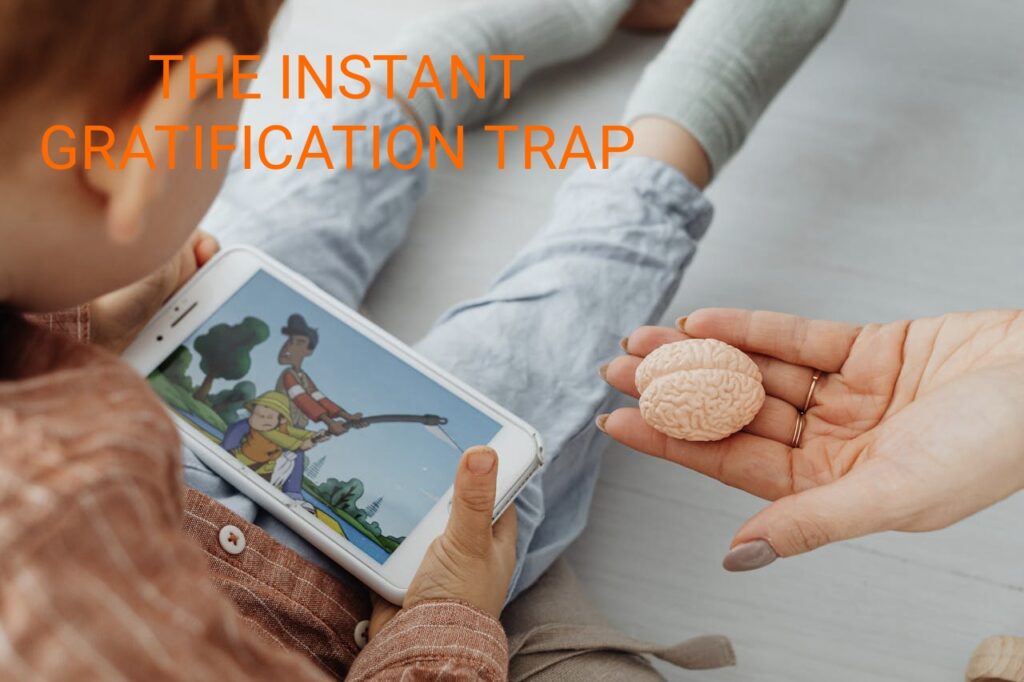
    The Instant Gratification Trap

    Social media and short-form content provide immediate rewards that compete with long-term goals.

    Frequent phone checking habits make instant gratification even more difficult to resist.

    https://sandeepblogging.com/why-we-check-our-phones-hundreds-of-times-a-day/

    Modern technology makes procrastination easier than ever.

    Social media, short videos, games, and endless notifications provide instant rewards.

    Compare these two options:

    Option A: Spend two hours working on a challenging project.

    Option B: Watch entertaining videos for two hours.

    The second option delivers immediate pleasure.

    The first option requires effort before rewards appear.

    Our brains often choose immediate rewards over delayed rewards.

    This is known as instant gratification.

    Why Your Brain Chooses Short-Term Rewards

    psychology research

    https://www.apa.org/

    Human brains evolved to prioritize immediate benefits.

    Thousands of years ago, immediate rewards helped humans survive.

    Today, that same tendency can work against us.

    Social media platforms, mobile apps, and entertainment content are designed to provide frequent rewards.

    Every like, comment, notification, or new video can trigger curiosity and engagement.

    As a result, important tasks often lose the competition for attention.

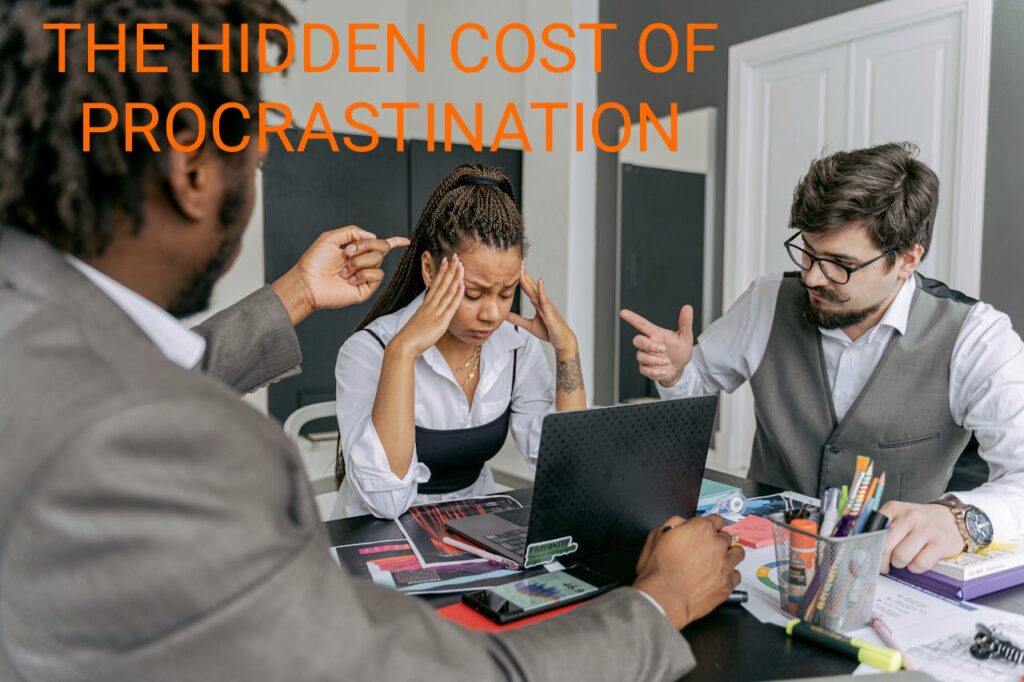
    The Hidden Cost of Procrastination

    Delaying important tasks often increases stress, mental fatigue, and pressure over time.

    Constant notifications and distractions can make procrastination even worse.

    https://sandeepblogging.com/hidden-stress-behind-notifications/

    Although procrastination feels good initially, the long-term consequences can be significant.

    Common effects include:

    Increased Stress

    The task doesn’t disappear.

    It remains in the background, creating ongoing mental pressure.

    Reduced Productivity

    Delaying important work leaves less time to complete it properly.

    Lower Confidence

    Repeated procrastination can make people doubt their abilities.

    Poor Quality Results

    Last-minute work is often rushed and less effective.

    Mental Fatigue

    Constantly thinking about unfinished tasks consumes mental energy.

    How To Beat Procrastination

    Small focused actions are often more effective than waiting for motivation to appear.

    Many people combine procrastination with multitasking, which further reduces productivity.

    https://sandeepblogging.com/why-multitasking-doesnt-work/

    1. Use the Five-Minute Rule

    Tell yourself:

    “I only need to work on this for five minutes.”

    Starting is usually the hardest part.

    Once you begin, continuing becomes easier.

    2. Break Large Tasks Into Small Steps

    Big tasks feel overwhelming.

    Instead of:

    “Write a blog post.”

    Try:

    Choose topic

    Create outline

    Write introduction

    Write first section

    Small steps reduce mental resistance.

    3. Remove Distractions

    Create an environment that supports focus.

    Examples:

    Silence notifications

    Put your phone away

    Close unnecessary tabs

    Use website blockers if needed

    4. Focus on Progress, Not Perfection

    Perfectionism often causes procrastination.

    Many people delay work because they want everything to be perfect.

    Progress matters more than perfection.

    5. Schedule Deep Work Sessions

    Set aside dedicated time for focused work.

    Even 30 minutes of uninterrupted focus can produce meaningful results.

    Building Better Habits

    productivity research

    https://hbr.org/

    Overcoming procrastination isn’t about becoming perfect.

    Everyone procrastinates sometimes.

    The goal is to reduce how often it happens.

    Small daily improvements create long-term results.

    A person who starts tasks consistently will usually outperform someone who waits for perfect motivation.

    Final Thoughts

    Procrastination feels good because it provides immediate relief from discomfort.

    The problem is that temporary relief often creates bigger problems later.

    The next time you feel the urge to delay an important task, remember this:

    You don’t need to finish the entire task.

    You only need to start.

    One small action can break the cycle of procrastination and build momentum toward meaningful progress.

    The more often you choose action over avoidance, the easier focus and productivity become.

  • Why We Check Our Phones Hundreds of Times a Day (And How to Stop)

    Why We Check Our Phones Hundreds of Times a Day (And How to Stop)

    Many people check their phones automatically throughout the day without realizing how often it happens.

    Introduction

    Have you ever unlocked your phone to check one notification and then found yourself scrolling for ten minutes without realizing it?

    You’re not alone.

    Many people check their phones dozens or even hundreds of times every day. Sometimes we do it intentionally. Other times it happens automatically, almost like a reflex.

    A quick glance at a notification becomes a social media scroll. A short check of messages turns into twenty minutes of browsing videos. Before we know it, our attention has been pulled away from work, study, conversations, and even relaxation.

    The surprising part is that most people are not consciously deciding to check their phones so often. Modern apps and devices are designed to capture attention and encourage repeated engagement.

    In this article, we’ll explore why we constantly reach for our phones, how notifications and social media influence our behavior, and practical strategies to regain control of our attention.

    The Habit Loop Behind Phone Checking

    Phone checking often follows a simple habit loop:

    https://www.apa.org/

    1•Trigger

    2•Action

    3•Reward

    A notification appears.

    You check your phone.

    You receive information, entertainment, or social interaction.

    Your brain begins associating phone checking with rewards. Over time, the behavior becomes automatic.

    Even when there is no notification, many people continue checking their devices out of habit.

    Why Notifications Are So Powerful

    Phone notifications causing distractions and reducing focus

    Notifications create curiosity and encourage frequent phone checking, even when the information isn’t important.

    Notifications create curiosity.

    A message, comment, email, or social media alert signals that something new might be waiting for us.

    Because humans naturally seek new information, notifications can feel difficult to ignore.

    This constant interruption can reduce focus and make it harder to engage in deep work.

    If you haven’t already, read our article on Hidden Stress Behind Notifications to understand how frequent alerts affect mental well-being.

    https://sandeepblogging.com/hidden-stress-behind-notifications/

    The Role of Social Media

    Social media scrolling and attention span problems

    Personalized feeds and endless scrolling features are designed to keep users engaged for longer periods.

    Social media platforms compete for attention.

    Features such as infinite scrolling, personalized feeds, and recommendations encourage users to spend more time inside apps.

    Every swipe presents something new.

    That unpredictability keeps users engaged because the next piece of content might be interesting, funny, or rewarding.

    This is one reason short-form content can feel so difficult to stop consuming.

    You may also enjoy reading Why Short Videos Are Destroying Your Attention Span for a deeper look at this topic.

    https://sandeepblogging.com/why-short-videos-are-destroying-your-attention-span/

    Why We Reach for Our Phones When We’re Bored

    https://hbr.org/

    Boredom is uncomfortable for many people.

    Whenever we experience a quiet moment, we often look for stimulation.

    •Waiting in line.

    •Riding public transport.

    •Taking a short break.

    Instead of allowing our minds to rest, we instinctively reach for our phones.

    Over time, this can reduce our tolerance for boredom and make it harder to focus on longer, more demanding tasks.

    How Frequent Phone Checking Affects Focus

    Improving focus by reducing phone distractions

    Reducing notifications and creating phone-free periods can help improve focus and productivity.

    Every interruption forces the brain to switch attention.

    Even a brief phone check can disrupt concentration.

    Research suggests that returning to a task after an interruption often takes longer than people expect.

    This is one reason multitasking feels productive but often reduces performance.

    For more on this topic, see Why Multitasking Doesn’t Work (And What To Do Instead).

    https://sandeepblogging.com/why-multitasking-doesnt-work/

    The Connection Between Phones and Mental Fatigue

    Constant connectivity creates mental load.

    Messages.

    Notifications.

    Updates.

    Emails.

    News alerts.

    Each demand for attention requires mental energy.

    When these interruptions occur throughout the day, many people experience reduced concentration and increased fatigue.

    Practical Ways to Check Your Phone Less

    1. Disable Non-Essential Notifications

    Turn off alerts that do not require immediate attention.

    2. Create Phone-Free Work Sessions

    Work for 30–60 minutes without checking your device.

    3. Keep Your Phone Out of Reach

    Physical distance reduces temptation.

    4. Remove Distracting Apps From the Home Screen

    Make distractions less accessible.

    5. Schedule Intentional Check-In Times

    Instead of reacting to every notification, check messages at planned intervals.

    Final Thoughts

    Checking your phone occasionally isn’t a problem.

    The issue begins when phone checking becomes automatic and starts controlling your attention.

    Understanding why we reach for our devices is the first step toward changing the habit

    By reducing unnecessary notifications, creating focused work sessions, and becoming more intentional with technology use, you can regain control of your attention and improve both productivity and well-being.

    Your attention is one of your most valuable resources. Protect it carefully.

  • Why Multitasking Doesn’t Work (And What To Do Instead)

    Why Multitasking Doesn’t Work (And What To Do Instead)

    Multitasking may feel productive, but constant task switching often reduces focus and efficiency.

    Introduction

    Imagine you trying to read a book, reply to messages, check email, and watch a video at the same time

    Most of us think we’re multitasking efficiently.

    In reality, we’re usually switching between tasks rapidly rather than performing them simultaneously.

    Modern technology encourages multitasking. Notifications arrive constantly, multiple browser tabs stay open, and social media competes for our attention every minute of the day.

    While multitasking may feel productive, research and everyday experience suggest the opposite. Constant task switching often reduces productivity, increases mistakes, and leaves us mentally exhausted.

    What Is Multitasking?

    Every time we switch between tasks, the brain needs time to refocus, reducing productivity and increasing mental fatigue.

    Multitasking is the act of handling multiple activities during the same period.

    Examples include:

    •Checking emails while attending a meeting

    •Replying to messages while studying

    •Watching videos while working

    •Scrolling social media during conversations

    Although it feels efficient, the brain is usually not performing all tasks at once. Instead, it rapidly shifts attention from one activity to another.

    The Myth Of Being More Productive

    Harvard Business Review

    https://hbr.org/

    Single-tasking allows the brain to concentrate fully, leading to better work quality and improved focus.

    Many people believe multitasking helps them get more done.

    The reality is different.

    Each time attention shifts, the brain requires time to refocus.

    These small interruptions may seem insignificant, but they accumulate throughout the day.

    As a result:

    Tasks take longer

    Concentration decreases

    Mental fatigue increases

    What feels like productivity often becomes hidden inefficiency.

    Why The Brain Struggles With Multitasking

    Why Our Brain Can’t Focus Anymore

    https://sandeepblogging.com/why-our-brain-cant-focus-anymore/

    Human attention is limited.

    When we switch between activities, the brain pays a cognitive cost.

    Instead of dedicating full attention to one task, mental resources become divided.

    This creates:

    Reduced accuracy

    Lower creativity

    Increased stress

    More mistakes

    The more frequently we switch tasks, the harder it becomes to maintain deep focus.

    American Psychological Association

    https://www.apa.org

    The Cost Of Constant Task Switching

    Why Short Videos Are Destroying Your Attention Span

    https://sandeepblogging.com/why-short-videos-are-destroying-your-attention-span/

    •Consider a typical workday.

    •You begin writing a report.

    •A notification appears.

    •You check your phone.

    •Then an email arrives.

    Next, you open social media for a quick look.

    Within minutes, your attention has shifted multiple times.

    Even when returning to the original task, your brain needs time to regain momentum.

    This process repeats throughout the day, reducing overall productivity.

    How Multitasking Affects Learning

    Students often study while watching videos or checking social media.

    Although it feels manageable, information retention usually suffers.

    Learning requires focused attention.

    When attention is divided, comprehension becomes weaker and memory formation becomes less effective.

    This is one reason many people spend hours studying yet remember very little afterward

    The Link Between Multitasking And Stress

    Hidden Stress Behind Notifications

    https://sandeepblogging.com/hidden-stress-behind-notifications/

    Multitasking creates a constant sense of urgency.

    Notifications, messages, and unfinished tasks compete for attention simultaneously.

    This can create mental overload and increase feelings of stress.

    Over time, the habit may contribute to burnout, fatigue, and difficulty concentrating.

    What To Do Instead: Single-Tasking

    Single-tasking allows the brain to concentrate fully, leading to better work quality and improved focus.

    Single-tasking means focusing on one activity at a time.

    It sounds simple, but it can dramatically improve productivity.

    Benefits include:

    Better concentration

    Higher-quality work

    Faster completion times

    Reduced stress

    When attention remains on a single task, the brain works more efficiently.

    Practical Tips To Stop Multitasking

    Frequent notifications interrupt deep work and train the brain to seek constant stimulation.

    1•Turn off unnecessary notifications.

    2•Keep only essential tabs open.

    3•Schedule specific times for email.

    4•Use focus sessions of 25–50 minutes.

    5•Place your phone away while working.

    6•Complete one important task before starting another.

    Small changes can produce significant improvements over time.

    Final Thoughts

    Multitasking often feels productive because we stay busy.

    However, being busy and being effective are not the same thing.

    The brain performs best when it can focus on one meaningful task at a time.

    If you want better results, stronger focus, and less stress, consider replacing multitasking with intentional single-tasking.

    Your attention is one of your most valuable resources. Protect it wisely.

  • Why Short Videos Are Destroying Your Attention Span (And How to Fix It)

    Why Short Videos Are Destroying Your Attention Span (And How to Fix It)

    A constant stream of short videos can train the brain to seek instant rewards, making deep focus increasingly difficult.

    Introduction

    Have you ever opened Instagram or YouTube for “just five minutes” and suddenly realized that an hour has passed?

    You’re not alone.

    Short-form videos attention span and have become one of the most popular forms of entertainment in the world. Platforms like Instagram Reels,Facebook reels,YouTube Shorts, and TikTok deliver endless streams of content designed to capture attention instantly. While these platforms are entertaining and often informative, they may also be changing how our brains focus, learn, and process information.

    Many people today struggle to read books, complete tasks without distractions, or stay focused during work and study sessions. Activities that once felt normal now seem boring or difficult. As a result, attention spans appear to be shrinking, and mental fatigue is becoming increasingly common.

    The problem isn’t necessarily a lack of discipline. Instead, it may be the result of constant digital stimulation.

    In this article, we’ll explore how short videos affect attention span, why they feel so addictive, and what practical steps you can take to rebuild your ability to focus.

    What Is Attention Span and Why Does It Matter?

    If you’ve noticed that concentrating on books, work, or conversations has become more difficult, you’re not alone. We explored this problem in greater detail in our article on Why Our Brain Can’t Focus Anymore.

    https://sandeepblogging.com/why-our-brain-cant-focus-anymore/

    Attention span refers to the amount of time a person can concentrate on a task without becoming distracted. It plays a crucial role in learning, productivity, memory, creativity, and decision-making.

    Whether you’re studying for an exam, reading an article, working on a project, or having a meaningful conversation, attention is essential.

    Strong attention skills help us:

    Learn new information more effectively

    Complete tasks efficiently

    Improve memory retention

    Build deeper understanding

    Increase productivity

    Strengthen problem-solving abilities

    However, attention is like a muscle. If it is constantly interrupted, it becomes weaker over time.

    This is where short-form content enters in the picture.

    Infinite scrolling keeps users engaged far longer than they originally intend.

    Why Short Videos Feel So Addictive

    Short videos are specifically designed to keep users engaged.

    Each clip delivers something new within seconds:

    A new story

    A new joke

    A new fact

    A new emotional reaction

    The brain loves novelty.

    Every swipe creates anticipation because the next video could be even more entertaining than the last. This endless cycle encourages users to keep scrolling.

    Unlike reading a book or watching a long documentary, short videos require very little effort. They provide instant rewards without demanding sustained concentration.

    As a result, the brain gradually becomes accustomed to receiving constant stimulation.

    Activities that require patience and deep focus can start to feel less rewarding in comparison.

    The Science of Dopamine and Attention

    https://www.apa.org/

    Every swipe can trigger a small dopamine reward, encouraging continued scrolling.

    To understand why short videos are so powerful, we need to understand dopamine.

    Dopamine is often called the brain’s reward chemical.

    Every time you encounter something exciting, funny, surprising, or emotionally stimulating, your brain releases dopamine.

    Short videos are specifically designed to trigger these dopamine spikes repeatedly.

    For example:

    Funny video → dopamine

    Motivational clip → dopamine

    Cute animal video → dopamine

    Shocking fact → dopamine

    Within minutes, your brain experiences dozens of mini rewards.

    As a result, your brain starts craving more stimulation.

    This creates a habit loop:

    Open app

    Watch video

    Get dopamine

    Swipe

    Repeat

    Over the period time, normal activities begin to feel less rewarding because they cannot compete with the constant stimulation of social media.

    The Hidden Productivity Cost

    Most people underestimate how much time they spend on short videos.

    Imagine:

    30 minutes daily scrolling

    7 days a week

    That equals:

    210 minutes weekly

    910 minutes monthly

    Over 180 hours annually

    That’s nearly an entire month of full-time work spent consuming content.

    Now imagine investing those hours into:

    Learning a skill

    Building a business

    Writing a blog

    Exercising

    Reading books

    The opportunity cost is enormous.

    Every hour spent scrolling is an hour not invested in personal growth.

    How Short Videos Affect Memory

    Short-form content doesn’t just impact focus.

    It can also affect information retention.

    Because videos move rapidly from one topic to another, the brain has little time to process information deeply.

    For example:

    You might watch:

    Productivity tips

    Cooking hacks

    Travel clips

    Business advice

    Comedy sketches

    All within 10 minutes.

    While entertaining, very little of that information is retained.

    Deep learning requires:

    Reflection

    Repetition

    Focus

    Short videos often provide none of these.

    The Mental Health Impact

    Excessive short-form content consumption can contribute to:

    https://www.who.int/health-topics/digital-health

    Anxiety

    Constant stimulation keeps the mind active and restless.

    Comparison

    Seeing curated lifestyles can create unrealistic expectations.

    Reduced Satisfaction

    Ordinary life may feel less exciting compared to the endless stream of entertaining content.

    Sleep Problems

    Late-night scrolling can disrupt healthy sleep routines.

    Many users find themselves scrolling long after they intended to stop.

    Signs You May Have a Short-Video Addiction

    You might be experiencing unhealthy consumption habits if:

    You open social media automatically.

    You lose track of time while scrolling.

    Reading feels difficult.

    You check your phone constantly.

    You struggle to focus on work.

    You feel bored without stimulation.

    You scroll before sleeping and after waking up.

    If several of these sound familiar, it may be time to reset your digital habits.

    Nighttime scrolling often contributes to poor sleep quality and reduced focus the next day.

    How to Fix Your Attention Span

    The good news is that attention is trainable.

    https://about.google/

    Just as your brain adapted to short-form content, it can adapt back to deeper focus.

    1. Set Daily Limits

    Most smartphones allow screen-time controls.

    Start by limiting:

    Reels

    Shorts

    TikTok

    to 45-90 minutes daily.

    Gradual reduction works better than quitting suddenly.

    2. Create Phone-Free Zones

    Avoid using your phone:

    During meals

    During study sessions

    In meetings

    One hour before sleep

    These boundaries reduce mindless scrolling.

    3. Read Every Day

    Reading is one of the best ways to rebuild attention span.

    Start with:

    10 pages daily

    Then 20 pages

    Then 30 pages

    Consistency matters more than volume.

    4. Practice Deep Work

    Choose one important task.

    Work on it without distractions for:

    25 minutes

    Then 45 minutes

    Then 60 minutes

    Over time, your concentration improves significantly.

    5. Turn Off Unnecessary Notifications

    Constant notifications can interrupt deep work and increase mental fatigue. To understand the psychological impact, read our guide on Hidden Stress Behind Notifications.

    https://sandeepblogging.com/hidden-stress-behind-notifications/

    Notifications constantly interrupt focus.

    Disable alerts from:

    Social media apps

    Shopping apps

    Entertainment apps

    Keep only essential notifications.

    6. Replace Consumption With Creation

    Instead of spending all your time consuming content, start creating.

    Examples:

    Write blogs

    Create videos

    Learn graphic design

    Build a website

    Learn digital marketing

    Creation develops focus while providing long-term value.

    7. Take Regular Dopamine Detox Breaks

    A dopamine detox doesn’t mean avoiding all pleasure.

    It means reducing excessive stimulation temporarily.

    Try:

    Walking

    Reading

    Journaling

    Meditation

    Exercise

    Even a few hours away from social media can reset your mental state.

    Even short breaks from social media can help reset the brain’s reward system.

    Benefits of Reducing Short-Video Consumption

    Many people notice improvements within a few weeks.

    Common benefits include:

    Better focus

    Increased productivity

    Improved memory

    Better sleep

    Reduced anxiety

    Higher motivation

    More free time

    Greater life satisfaction

    The goal isn’t necessarily to quit social media completely.

    The goal is to use it intentionally rather than compulsively.

    Conclusion

    Short-form videos have transformed how we consume information. While they offer convenience and entertainment, excessive use can gradually weaken attention span, reduce productivity, and make deeper forms of learning feel difficult.

    The solution isn’t necessarily deleting every social media app. Instead, focus on using technology deliberately rather than automatically.

    Small changes—reading more, reducing scrolling, practicing deep work, and creating instead of consuming—can dramatically improve your focus over time.

    Your attention is one of your most valuable assets. Protect it carefully, because where your attention goes, your life follows.

  • Top 10 Free Productivity Apps Everyone Should Try in 2026 🚀

    Top 10 Free Productivity Apps Everyone Should Try in 2026 🚀

    Introduction:

    In today’s fast-moving digital world, staying organized and productive has become more important than ever. Whether someone is managing work tasks, planning content, organizing schedules, or simply trying to stay focused, productivity apps are helping millions of people simplify their daily routines.

    The good news is that many powerful productivity apps are available for free and work across smartphones, tablets, and computers.

    From task management and note-taking to focus improvement and cloud organization, the right apps can save time and reduce stress during busy days.

    1. Notion – All-in-One Productivity Workspace

    Notion has become one of the most popular productivity platforms because it combines notes, task management, planning, databases, and collaboration tools into one workspace.

    People use Notion to:

    organize projects,

    create schedules,

    track goals,

    manage content,

    save ideas,

    collaborate with teams.

    Its flexibility allows users to customize pages according to their workflow style.

    Whether someone is planning daily tasks or managing long-term projects, Notion helps keep everything organized in one place.

    https://www.Notion.com

    Notion helps users organize projects, schedules, and workflows efficiently.

    2. Trello – Visual Task Management

    Trello is a visual productivity app designed for task organization and project tracking.

    It uses boards, lists, and cards to help users manage work in a simple and visual way.

    Trello is commonly used for:

    project planning,

    content calendars,

    workflow management,

    team collaboration,

    daily task tracking.

    Its drag-and-drop system makes organization simple even for beginners

    Trello makes task management simple with visual organization boards.

    3. Todoist – Smart Daily Task Planner

    Todoist is a lightweight productivity app that helps users stay organized through task lists and reminders.

    Users can:

    create tasks,

    set deadlines,

    organize priorities,

    track progress,

    manage routines.

    Its clean interface helps users focus without feeling overwhelmed.

    Many professionals and creators use Todoist to manage both personal and professional responsibilities efficiently.

    https://www.Todoist.Com

    Todoist helps organize daily goals, priorities, and reminders effectively.

    4. Google Keep – Quick Notes & Ideas

    Google Keep is a simple yet useful app for capturing notes, reminders, ideas, and quick lists.

    The app supports:

    voice notes,

    checklists,

    color labels,

    image notes,

    reminders.

    Because it syncs across devices, users can quickly access their notes anytime.

    Its lightweight design makes it ideal for quick productivity tasks and idea collection.

    https://keep.google.com/

    5. Forest – Stay Focused & Reduce Distractions

    Forest is a unique productivity app designed to help users stay focused and avoid distractions.

    The app uses a creative concept where users grow virtual trees while staying away from distractions like social media.

    If users leave the app before the timer ends, the tree stops growing.

    Forest helps improve:

    focus,

    study sessions,

    work concentration,

    digital discipline.

    Its gamified approach makes productivity more engaging and motivating.

    Forest encourages focus and productivity through distraction-free sessions.

    6. Evernote – Advanced Note Organization

    Evernote remains a powerful app for note-taking and information organization.

    Users can store:

    notes,

    documents,

    images,

    ideas,

    research,

    project information.

    Its search and tagging system makes finding information easy ways , even within large collections of notes.

    Evernote works well for professionals, writers, and researchers managing large amounts of information.

    https://evernote.com

    7. Slack – Communication & Collaboration

    Slack is widely used for communication and collaboration between teams.

    It helps reduce clutter from long email chains by organizing conversations into channels.

    Slack supports:

    file sharing,

    messaging,

    integrations,

    workflow collaboration,

    notifications.

    Remote teams and businesses use Slack to improve communication efficiency.

    8. Microsoft OneNote – Digital Notebook

    OneNote acts like a digital notebook where users can organize notes into sections and pages.

    It supports:

    handwriting,

    audio notes

    checklists,

    synced organization.

    Many users prefer OneNote for detailed planning, note-taking, and long-term organization.

    https://onenote.cloud.microsoft

    9. Clockify – Free Time Tracking Tool

    Clockify helps users track how much time they spend on tasks and projects.

    This can improve:

    productivity awareness,

    workflow management,

    scheduling,

    time optimization.

    Freelancers, businesses, and creators often use time tracking tools to improve efficiency and planning.

    10. Canva – Quick Visual Content Creation

    Canva continues to be one of the easiest platforms for creating visual content quickly.

    Users can design:

    presentations,

    social media graphics,

    posters,

    thumbnails,

    resumes,

    documents.

    Its beginner-friendly templates help users save time while creating professional visuals.

    https://www.canva.in

    How Productivity Apps Improve Daily Workflow

    Productivity apps help users:

    stay organized,

    reduce distractions,

    manage time better,

    simplify communication,

    improve planning,

    streamline workflows.

    Instead of relying on memory alone, digital productivity tools help structure tasks and information more effectively.

    Tips for Better Productivity

    Using apps alone is not enough. Consistency and healthy habits are equally important.

    Here are a few simple productivity tips:

    prioritize important tasks,

    avoid multitasking,

    schedule focused work sessions,

    take short breaks,

    organize digital files regularly,

    limit unnecessary notifications.

    Small improvements in daily routines can create significant long-term results.

    Final Thoughts

    All these Productivity apps are helping people manage their daily work more efficiently than ever before. Whether organizing projects, tracking tasks, taking notes, or improving focus, the right tools can simplify modern workflows and reduce stress.

    The best part is that many excellent productivity apps are available for free, making them accessible to beginners, professionals, creators, and businesses alike.

    As technology continues evolving in 2026, learning how to use productivity tools effectively can help improve organization, focus, and overall efficiency.

    Which productivity app would you like to try first? Share your favorite tools and productivity tips in the comments below.

    for More such Information Read My All previous Blog:

    https://www.sandeepblogging.com