Tag: social media addiction

  • THE HIDDEN COST OF ENDLESS SCROLLING: WHAT SOCIAL MEDIA IS REALLY TAKING FROM YOU

    THE HIDDEN COST OF ENDLESS SCROLLING: WHAT SOCIAL MEDIA IS REALLY TAKING FROM YOU

    What Social Media Is Really Taking From You

    introduction

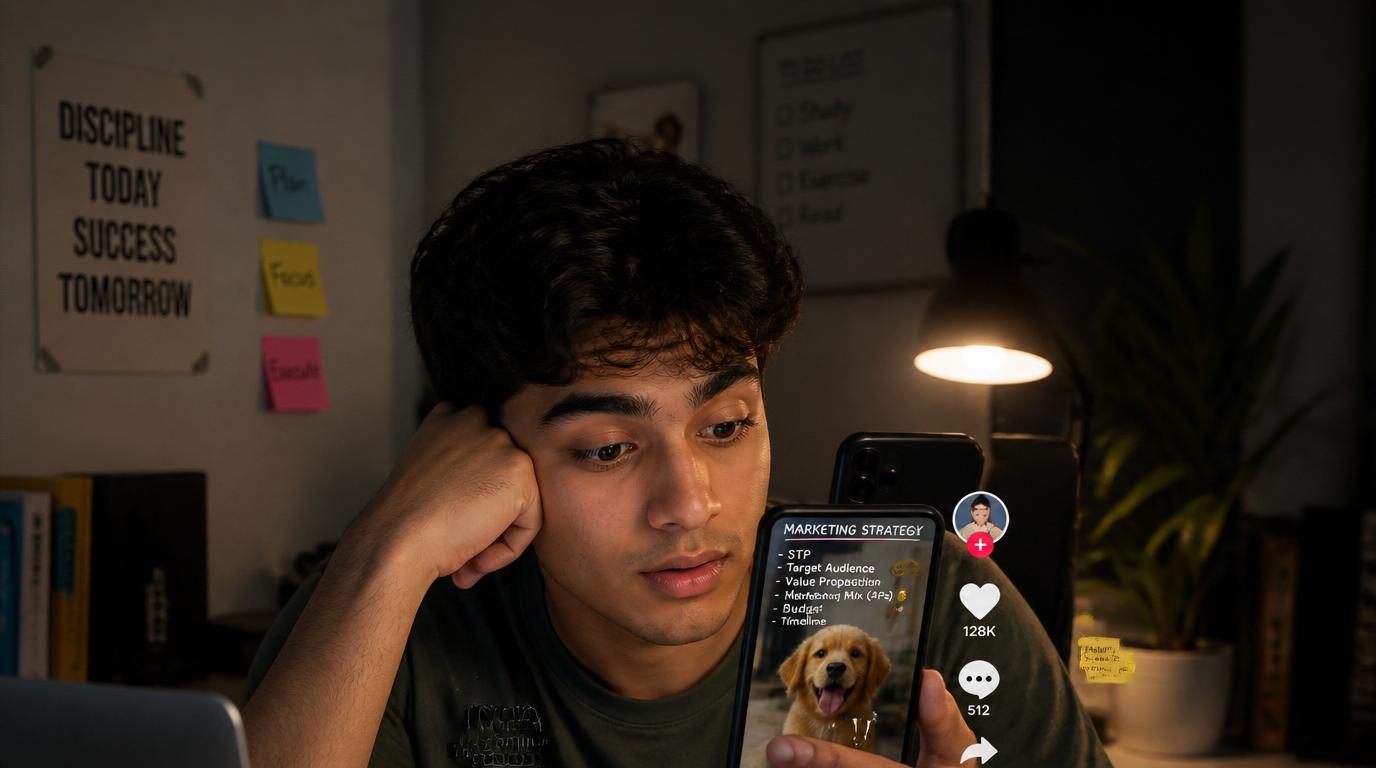
    Have you ever opened Instagram, YouTube Shorts, Facebook, or TikTok for “just five minutes” and then realized an hour had disappeared?

    Most people have.

    The hidden cost of Endless scrolling has become one of the most common habits of the digital age. It feels harmless because it doesn’t look like a serious problem. You’re not spending money. You’re not doing anything dangerous. You’re simply watching videos, reading posts, and consuming content.

    But beneath the surface, endless scrolling carries hidden costs that many people never notice until they begin affecting their productivity, focus, mental well-being, and long-term goals.

    The real danger isn’t social media itself. Social media can be educational, inspiring, and useful when used intentionally.

    The problem begins when scrolling becomes automatic.

    Let’s explore what endless scrolling is really taking from you and how you can take control before it costs even more.

    Why Endless Scrolling Feels So Good

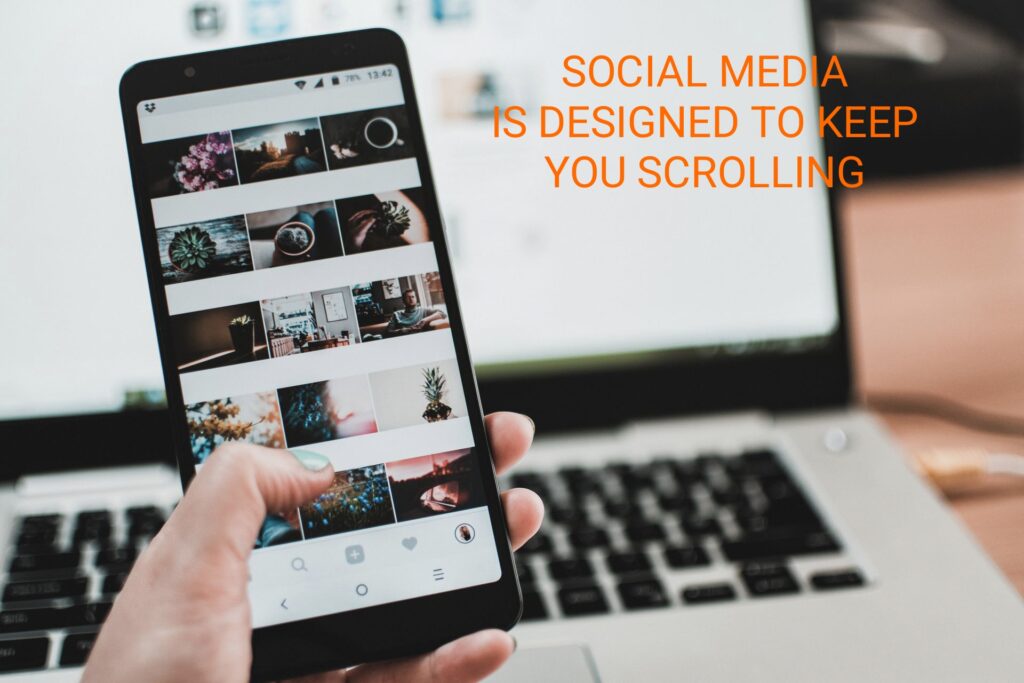
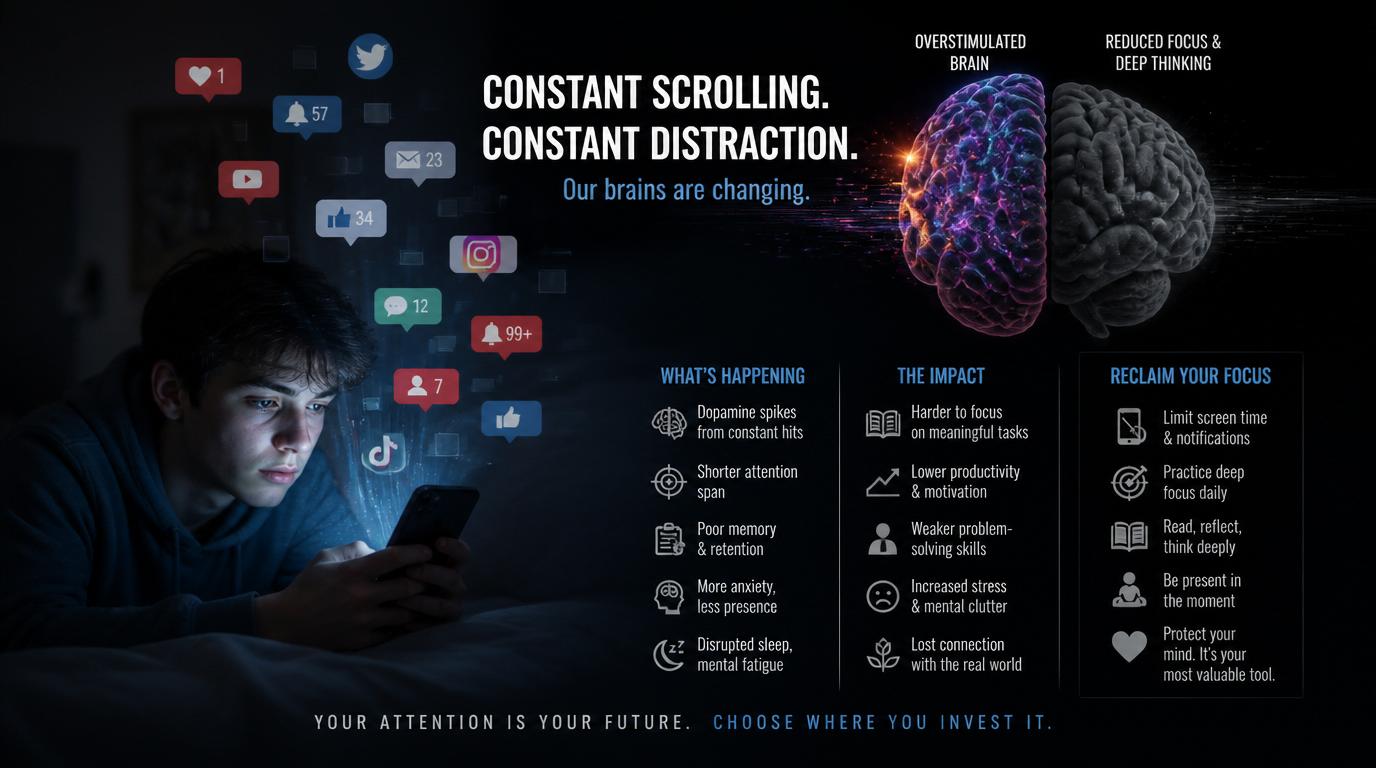
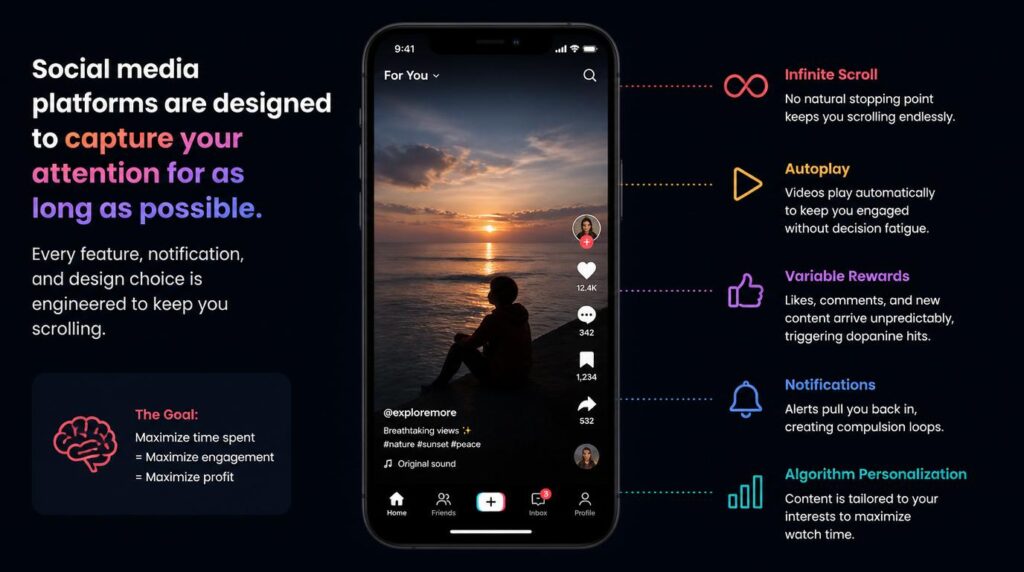
    Social media platforms are designed to keep your attention.

    Every swipe brings something new:

    A funny video

    An interesting story

    A shocking headline

    A motivational quote

    A viral trend

    Your brain loves novelty.

    Each new piece of content creates anticipation. You never know what you’ll see next, which keeps you scrolling.

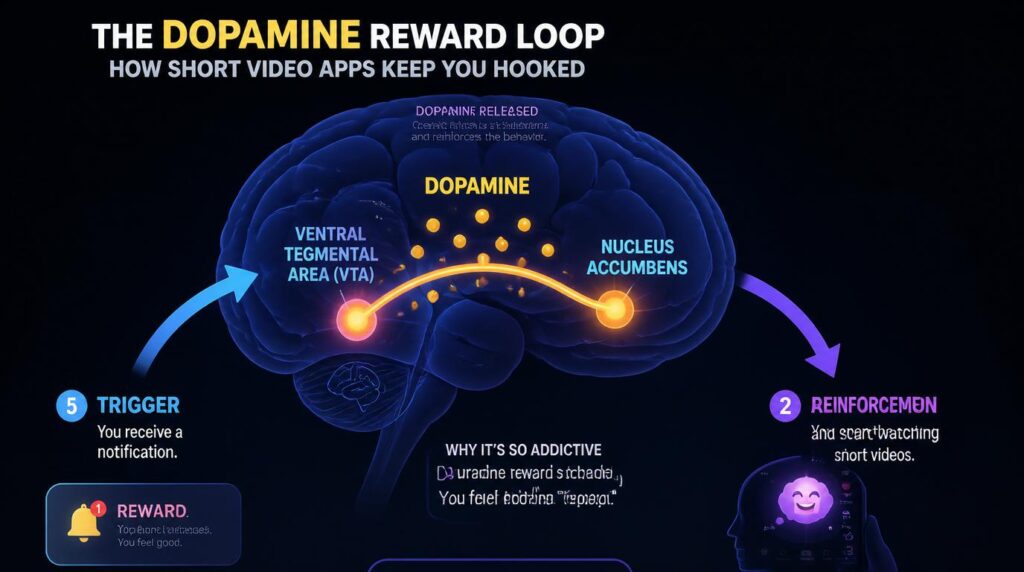
    This creates a reward loop.

    The more you scroll, the more your brain expects instant stimulation.

    Over time, normal activities like reading, studying, working, or even having conversations can start feeling less exciting because they don’t provide the same constant stream of rewards.

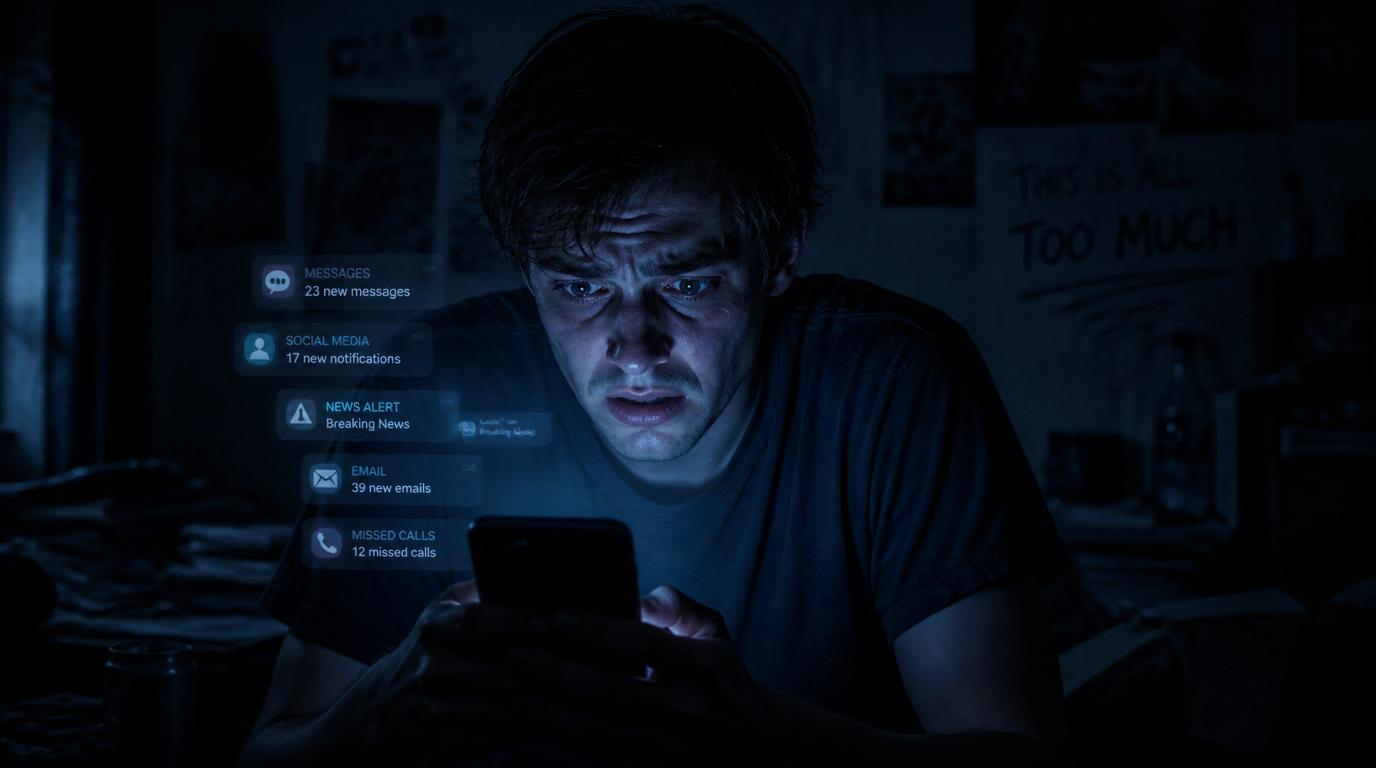
    Endless scrolling often feels harmless until hours disappear without notice.

    The Time Cost Nobody Talks About

    The most obvious cost of endless scrolling is time.

    Imagine spending:

    1 hour per day scrolling

    7 hours per week

    Around 365 hours per year

    That’s more than 15 full days every year.

    Now imagine spending:

    3 hours daily scrolling

    More than 1,000 hours annually

    That’s the equivalent of several months of focused work, learning, reading, or skill development.

    Many people say they don’t have time to:

    Start a blog

    Learn a skill

    Read books

    Exercise

    Build a side hustle

    Yet hours disappear every week through mindless scrolling.

    The issue isn’t always a lack of time.

    Often, it’s a lack of awareness about where time is going.

    How Endless Scrolling Damages Focus

    One of the biggest hidden costs is reduced attention span.

    When your brain becomes used to consuming content every few seconds, it starts expecting constant stimulation.

    https://sandeepblogging.com/why-short-videos-are-destroying-your-attention-span/

    As a result:

    Reading books feels harder

    Long articles seem boring

    Deep work becomes difficult

    Studying requires more effort

    This is one reason many people struggle to focus today.

    Their brains have become trained to seek quick rewards instead of sustained attention.

    https://sandeepblogging.com/why-our-brain-cant-focus-anymore/

    Focus is like a muscle.

    The more you practice concentration, the stronger it becomes.

    The more you practice distraction, the weaker it becomes.

    This is why many people feel mentally exhausted despite spending hours consuming content.
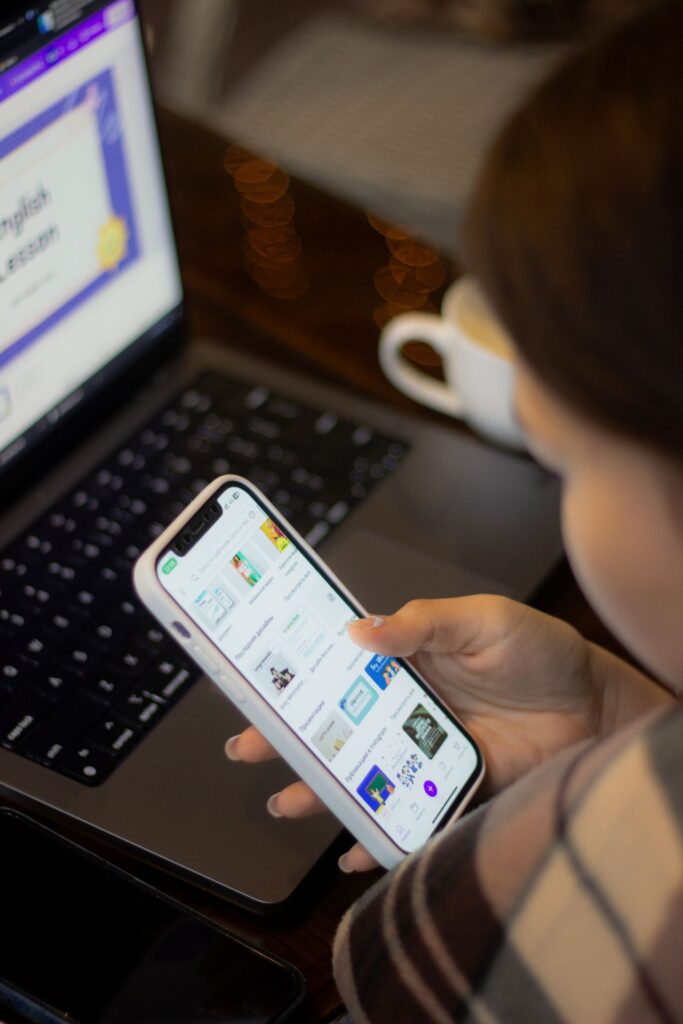
    Constant digital distractions make deep focus increasingly difficult.

    The Productivity Trap

    Scrolling often creates the illusion of activity.

    You feel busy.

    You feel informed.

    But very little meaningful progress is happening.

    Consider the difference:

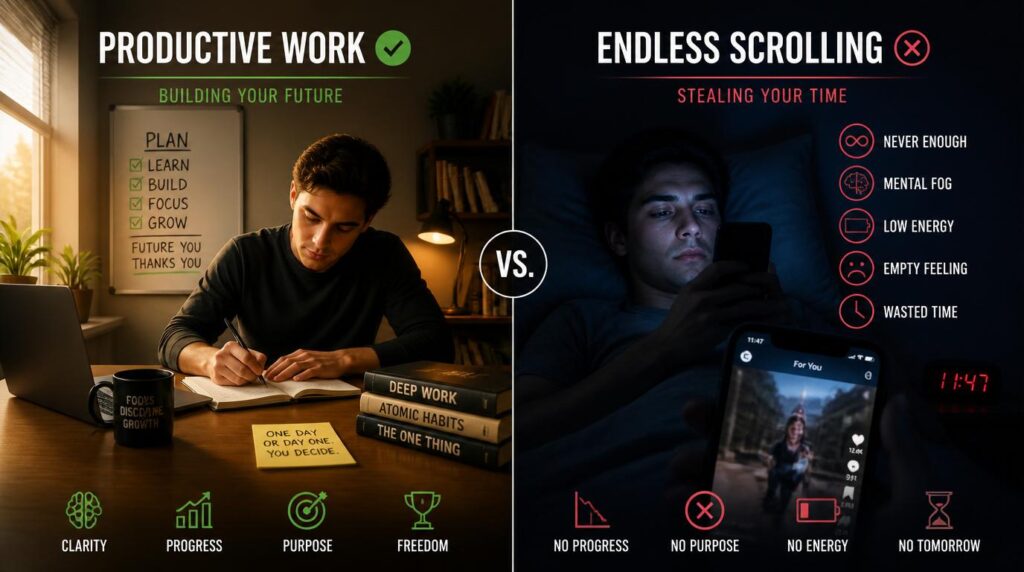
    Scrolling for one hour:

    Consumes information

    Focused work for one hour:

    Creates value

    Scrolling rarely moves you closer to your goals.

    Focused action does.

    The problem isn’t taking breaks.

    Everyone needs rest.

    The problem is when scrolling becomes the default response to boredom, stress, uncertainty, or discomfort.

    Instead of solving problems, we distract ourselves from them.

    Instead of taking action, we consume more content

    Over time, productivity suffers.

    Endless Scrolling and Mental Well-Being

    Social media doesn’t only affect productivity.

    It can also influence mental health.

    Many platforms expose users to:

    •Highlight reels of other people’s lives

    •Unrealistic success stories

    •Constant comparisons

    •Negative news

    •Information overload

    When consumed excessively, this can create:

    •Stress

    •Anxiety

    •Self-doubt

    •Mental fatigue

    You may not consciously notice these effects.

    But your mind is processing everything you consume.

    Just as unhealthy food affects your body, unhealthy content can affect your mental environment.

    Being selective about what you consume matters.

    https://sandeepblogging.com/hidden-stress-behind-notifications/

    The Opportunity Cost of Scrolling

    Every choice has an opportunity cost.

    When you spend an hour scrolling, you’re also choosing not to spend that hour doing something else.https://www.apa.org/

    For example:

    One hour could be used to:

    Read 20 pages of a book

    •Learn a new skill

    •Exercise

    •Write content

    •Build a business

    •Spend time with family

    •Improve your health

    The biggest cost isn’t what scrolling gives you.

    It’s what it prevents you from doing.

    Years later, people rarely regret reading books, learning skills, or investing in themselves.

    But many regret wasting countless hours on activities they barely remember.
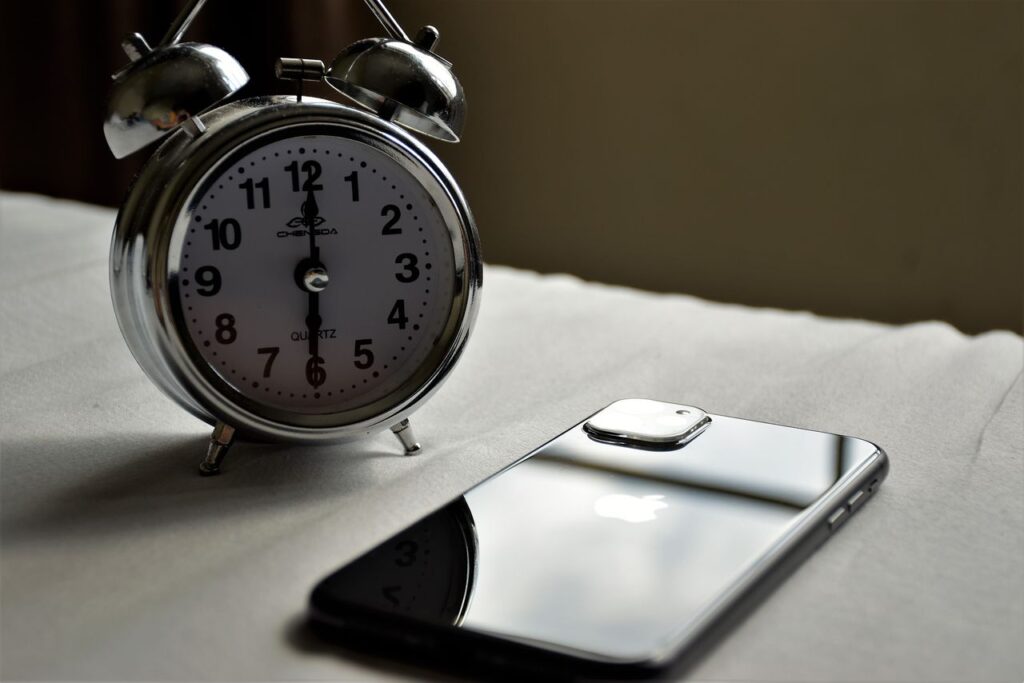
    Small daily habits can accumulate into hundreds of lost hours every year.

    What Endless Scrolling Takes From Your Future

    The impact of scrolling compounds over time.

    Just as positive habits create positive outcomes, negative habits create negative outcomes.

    A few minutes may not matter.

    A few hours every day certainly do.

    Imagine two people:

    https://hbr.org/?

    Person A:

    •Reads daily

    •Learns new skills

    •Works on personal goals

    Person B:

    Spends the same time scrolling

    After a week, the difference is small.

    After a year, the difference becomes significant.

    After five years, the gap can be enormous.

    The future you want is built by how you spend your time today.

    How to Break the Endless Scrolling Habit

    The goal isn’t to quit social media completely.

    The goal is intentional use.

    1. Track Your Screen Time

    Most smartphones provide screen-time reports.

    Awareness is the first step.

    2. Remove Unnecessary Notifications

    Notifications encourage impulsive checking.

    Turn off everything that isn’t essential.

    3. Create Phone-Free Periods

    Try:

    •First hour after waking up

    •During meals

    •Before bedtime

    4. Replace the Habit

    Don’t just remove scrolling.

    Replace it with:

    Reading

    Walking

    Journaling

    Learning

    5•Set Daily Limits

    Even a simple limit can dramatically reduce mindless use.

    6. Use Social Media Intentionally

    Open apps with a purpose.

    Avoid opening them out of boredom.

    7. Practice Deep Work

    Spend dedicated time focusing on a single task without interruptions.

    This helps rebuild attention span.

    https://sandeepblogging.com/why-procrastination-feels-good-in-the-moment/

    Replacing scrolling with intentional activities improves focus and personal growth.

    Final Thoughts

    Endless scrolling isn’t just stealing minutes.

    It’s quietly taking your focus, productivity, attention, and opportunities.

    The danger lies in how normal it has become.

    Most people don’t notice the cost because the loss happens gradually.

    But every hour spent scrolling is an hour that could have been invested in something meaningful.

    You don’t need to abandon social media.

    You simply need to use it intentionally rather than automatically.

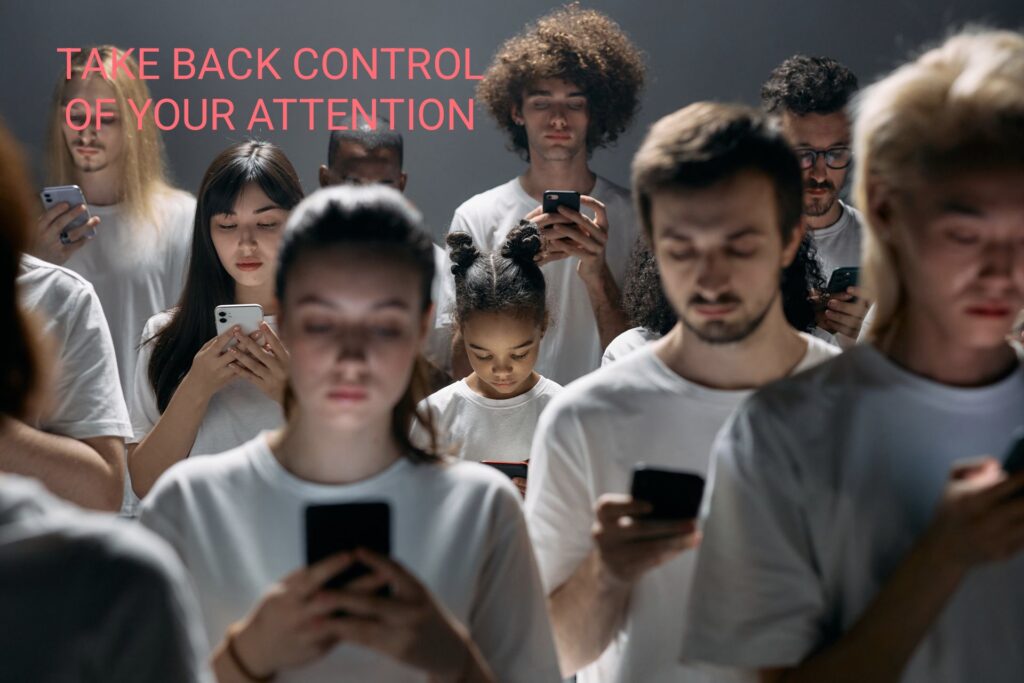
    Your attention is one of your most valuable resources.

    Protect it.

    The quality of your future depends on where your attention goes today.

  • Why We Check Our Phones Hundreds of Times a Day (And How to Stop)

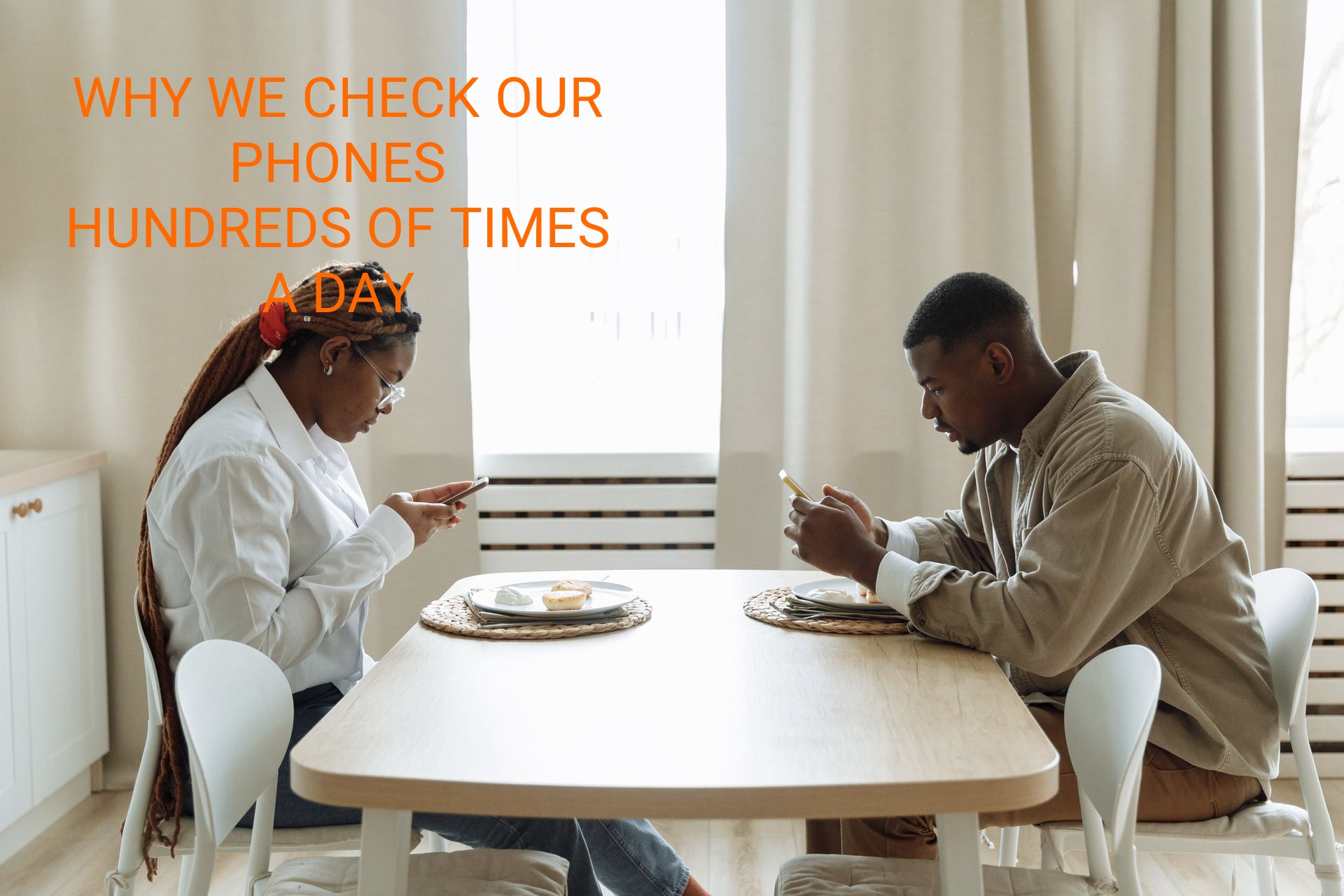
    Why We Check Our Phones Hundreds of Times a Day (And How to Stop)

    Many people check their phones automatically throughout the day without realizing how often it happens.

    Introduction

    Have you ever unlocked your phone to check one notification and then found yourself scrolling for ten minutes without realizing it?

    You’re not alone.

    Many people check their phones dozens or even hundreds of times every day. Sometimes we do it intentionally. Other times it happens automatically, almost like a reflex.

    A quick glance at a notification becomes a social media scroll. A short check of messages turns into twenty minutes of browsing videos. Before we know it, our attention has been pulled away from work, study, conversations, and even relaxation.

    The surprising part is that most people are not consciously deciding to check their phones so often. Modern apps and devices are designed to capture attention and encourage repeated engagement.

    In this article, we’ll explore why we constantly reach for our phones, how notifications and social media influence our behavior, and practical strategies to regain control of our attention.

    The Habit Loop Behind Phone Checking

    Phone checking often follows a simple habit loop:

    https://www.apa.org/

    1•Trigger

    2•Action

    3•Reward

    A notification appears.

    You check your phone.

    You receive information, entertainment, or social interaction.

    Your brain begins associating phone checking with rewards. Over time, the behavior becomes automatic.

    Even when there is no notification, many people continue checking their devices out of habit.

    Why Notifications Are So Powerful

    Phone notifications causing distractions and reducing focus

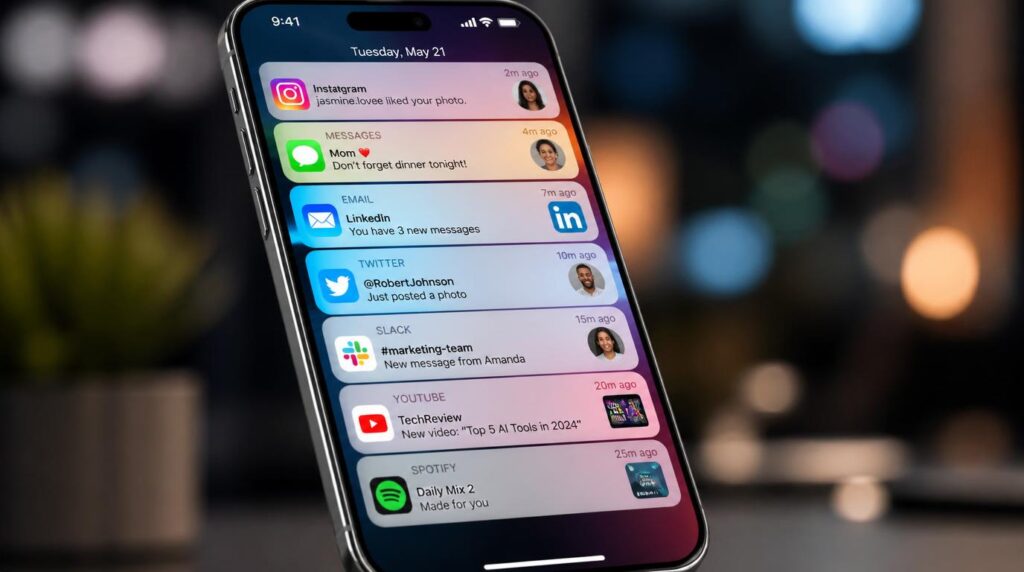
    Notifications create curiosity and encourage frequent phone checking, even when the information isn’t important.

    Notifications create curiosity.

    A message, comment, email, or social media alert signals that something new might be waiting for us.

    Because humans naturally seek new information, notifications can feel difficult to ignore.

    This constant interruption can reduce focus and make it harder to engage in deep work.

    If you haven’t already, read our article on Hidden Stress Behind Notifications to understand how frequent alerts affect mental well-being.

    https://sandeepblogging.com/hidden-stress-behind-notifications/

    The Role of Social Media

    Social media scrolling and attention span problems

    Personalized feeds and endless scrolling features are designed to keep users engaged for longer periods.

    Social media platforms compete for attention.

    Features such as infinite scrolling, personalized feeds, and recommendations encourage users to spend more time inside apps.

    Every swipe presents something new.

    That unpredictability keeps users engaged because the next piece of content might be interesting, funny, or rewarding.

    This is one reason short-form content can feel so difficult to stop consuming.

    You may also enjoy reading Why Short Videos Are Destroying Your Attention Span for a deeper look at this topic.

    https://sandeepblogging.com/why-short-videos-are-destroying-your-attention-span/

    Why We Reach for Our Phones When We’re Bored

    https://hbr.org/

    Boredom is uncomfortable for many people.

    Whenever we experience a quiet moment, we often look for stimulation.

    •Waiting in line.

    •Riding public transport.

    •Taking a short break.

    Instead of allowing our minds to rest, we instinctively reach for our phones.

    Over time, this can reduce our tolerance for boredom and make it harder to focus on longer, more demanding tasks.

    How Frequent Phone Checking Affects Focus

    Improving focus by reducing phone distractions

    Reducing notifications and creating phone-free periods can help improve focus and productivity.

    Every interruption forces the brain to switch attention.

    Even a brief phone check can disrupt concentration.

    Research suggests that returning to a task after an interruption often takes longer than people expect.

    This is one reason multitasking feels productive but often reduces performance.

    For more on this topic, see Why Multitasking Doesn’t Work (And What To Do Instead).

    https://sandeepblogging.com/why-multitasking-doesnt-work/

    The Connection Between Phones and Mental Fatigue

    Constant connectivity creates mental load.

    Messages.

    Notifications.

    Updates.

    Emails.

    News alerts.

    Each demand for attention requires mental energy.

    When these interruptions occur throughout the day, many people experience reduced concentration and increased fatigue.

    Practical Ways to Check Your Phone Less

    1. Disable Non-Essential Notifications

    Turn off alerts that do not require immediate attention.

    2. Create Phone-Free Work Sessions

    Work for 30–60 minutes without checking your device.

    3. Keep Your Phone Out of Reach

    Physical distance reduces temptation.

    4. Remove Distracting Apps From the Home Screen

    Make distractions less accessible.

    5. Schedule Intentional Check-In Times

    Instead of reacting to every notification, check messages at planned intervals.

    Final Thoughts

    Checking your phone occasionally isn’t a problem.

    The issue begins when phone checking becomes automatic and starts controlling your attention.

    Understanding why we reach for our devices is the first step toward changing the habit

    By reducing unnecessary notifications, creating focused work sessions, and becoming more intentional with technology use, you can regain control of your attention and improve both productivity and well-being.

    Your attention is one of your most valuable resources. Protect it carefully.

  • Why Short Videos Are Destroying Your Attention Span (And How to Fix It)

    Why Short Videos Are Destroying Your Attention Span (And How to Fix It)

    A constant stream of short videos can train the brain to seek instant rewards, making deep focus increasingly difficult.

    Introduction

    Have you ever opened Instagram or YouTube for “just five minutes” and suddenly realized that an hour has passed?

    You’re not alone.

    Short-form videos attention span and have become one of the most popular forms of entertainment in the world. Platforms like Instagram Reels,Facebook reels,YouTube Shorts, and TikTok deliver endless streams of content designed to capture attention instantly. While these platforms are entertaining and often informative, they may also be changing how our brains focus, learn, and process information.

    Many people today struggle to read books, complete tasks without distractions, or stay focused during work and study sessions. Activities that once felt normal now seem boring or difficult. As a result, attention spans appear to be shrinking, and mental fatigue is becoming increasingly common.

    The problem isn’t necessarily a lack of discipline. Instead, it may be the result of constant digital stimulation.

    In this article, we’ll explore how short videos affect attention span, why they feel so addictive, and what practical steps you can take to rebuild your ability to focus.

    What Is Attention Span and Why Does It Matter?

    If you’ve noticed that concentrating on books, work, or conversations has become more difficult, you’re not alone. We explored this problem in greater detail in our article on Why Our Brain Can’t Focus Anymore.

    https://sandeepblogging.com/why-our-brain-cant-focus-anymore/

    Attention span refers to the amount of time a person can concentrate on a task without becoming distracted. It plays a crucial role in learning, productivity, memory, creativity, and decision-making.

    Whether you’re studying for an exam, reading an article, working on a project, or having a meaningful conversation, attention is essential.

    Strong attention skills help us:

    Learn new information more effectively

    Complete tasks efficiently

    Improve memory retention

    Build deeper understanding

    Increase productivity

    Strengthen problem-solving abilities

    However, attention is like a muscle. If it is constantly interrupted, it becomes weaker over time.

    This is where short-form content enters in the picture.

    Infinite scrolling keeps users engaged far longer than they originally intend.

    Why Short Videos Feel So Addictive

    Short videos are specifically designed to keep users engaged.

    Each clip delivers something new within seconds:

    A new story

    A new joke

    A new fact

    A new emotional reaction

    The brain loves novelty.

    Every swipe creates anticipation because the next video could be even more entertaining than the last. This endless cycle encourages users to keep scrolling.

    Unlike reading a book or watching a long documentary, short videos require very little effort. They provide instant rewards without demanding sustained concentration.

    As a result, the brain gradually becomes accustomed to receiving constant stimulation.

    Activities that require patience and deep focus can start to feel less rewarding in comparison.

    The Science of Dopamine and Attention

    https://www.apa.org/

    Every swipe can trigger a small dopamine reward, encouraging continued scrolling.

    To understand why short videos are so powerful, we need to understand dopamine.

    Dopamine is often called the brain’s reward chemical.

    Every time you encounter something exciting, funny, surprising, or emotionally stimulating, your brain releases dopamine.

    Short videos are specifically designed to trigger these dopamine spikes repeatedly.

    For example:

    Funny video → dopamine

    Motivational clip → dopamine

    Cute animal video → dopamine

    Shocking fact → dopamine

    Within minutes, your brain experiences dozens of mini rewards.

    As a result, your brain starts craving more stimulation.

    This creates a habit loop:

    Open app

    Watch video

    Get dopamine

    Swipe

    Repeat

    Over the period time, normal activities begin to feel less rewarding because they cannot compete with the constant stimulation of social media.

    The Hidden Productivity Cost

    Most people underestimate how much time they spend on short videos.

    Imagine:

    30 minutes daily scrolling

    7 days a week

    That equals:

    210 minutes weekly

    910 minutes monthly

    Over 180 hours annually

    That’s nearly an entire month of full-time work spent consuming content.

    Now imagine investing those hours into:

    Learning a skill

    Building a business

    Writing a blog

    Exercising

    Reading books

    The opportunity cost is enormous.

    Every hour spent scrolling is an hour not invested in personal growth.

    How Short Videos Affect Memory

    Short-form content doesn’t just impact focus.

    It can also affect information retention.

    Because videos move rapidly from one topic to another, the brain has little time to process information deeply.

    For example:

    You might watch:

    Productivity tips

    Cooking hacks

    Travel clips

    Business advice

    Comedy sketches

    All within 10 minutes.

    While entertaining, very little of that information is retained.

    Deep learning requires:

    Reflection

    Repetition

    Focus

    Short videos often provide none of these.

    The Mental Health Impact

    Excessive short-form content consumption can contribute to:

    https://www.who.int/health-topics/digital-health

    Anxiety

    Constant stimulation keeps the mind active and restless.

    Comparison

    Seeing curated lifestyles can create unrealistic expectations.

    Reduced Satisfaction

    Ordinary life may feel less exciting compared to the endless stream of entertaining content.

    Sleep Problems

    Late-night scrolling can disrupt healthy sleep routines.

    Many users find themselves scrolling long after they intended to stop.

    Signs You May Have a Short-Video Addiction

    You might be experiencing unhealthy consumption habits if:

    You open social media automatically.

    You lose track of time while scrolling.

    Reading feels difficult.

    You check your phone constantly.

    You struggle to focus on work.

    You feel bored without stimulation.

    You scroll before sleeping and after waking up.

    If several of these sound familiar, it may be time to reset your digital habits.

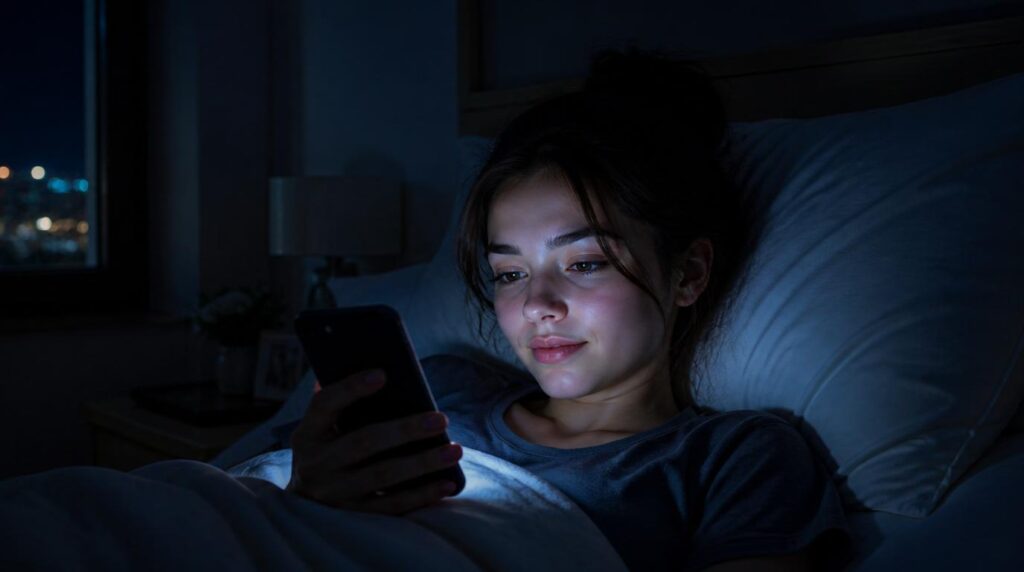
    Nighttime scrolling often contributes to poor sleep quality and reduced focus the next day.

    How to Fix Your Attention Span

    The good news is that attention is trainable.

    https://about.google/

    Just as your brain adapted to short-form content, it can adapt back to deeper focus.

    1. Set Daily Limits

    Most smartphones allow screen-time controls.

    Start by limiting:

    Reels

    Shorts

    TikTok

    to 45-90 minutes daily.

    Gradual reduction works better than quitting suddenly.

    2. Create Phone-Free Zones

    Avoid using your phone:

    During meals

    During study sessions

    In meetings

    One hour before sleep

    These boundaries reduce mindless scrolling.

    3. Read Every Day

    Reading is one of the best ways to rebuild attention span.

    Start with:

    10 pages daily

    Then 20 pages

    Then 30 pages

    Consistency matters more than volume.

    4. Practice Deep Work

    Choose one important task.

    Work on it without distractions for:

    25 minutes

    Then 45 minutes

    Then 60 minutes

    Over time, your concentration improves significantly.

    5. Turn Off Unnecessary Notifications

    Constant notifications can interrupt deep work and increase mental fatigue. To understand the psychological impact, read our guide on Hidden Stress Behind Notifications.

    https://sandeepblogging.com/hidden-stress-behind-notifications/

    Notifications constantly interrupt focus.

    Disable alerts from:

    Social media apps

    Shopping apps

    Entertainment apps

    Keep only essential notifications.

    6. Replace Consumption With Creation

    Instead of spending all your time consuming content, start creating.

    Examples:

    Write blogs

    Create videos

    Learn graphic design

    Build a website

    Learn digital marketing

    Creation develops focus while providing long-term value.

    7. Take Regular Dopamine Detox Breaks

    A dopamine detox doesn’t mean avoiding all pleasure.

    It means reducing excessive stimulation temporarily.

    Try:

    Walking

    Reading

    Journaling

    Meditation

    Exercise

    Even a few hours away from social media can reset your mental state.

    Even short breaks from social media can help reset the brain’s reward system.

    Benefits of Reducing Short-Video Consumption

    Many people notice improvements within a few weeks.

    Common benefits include:

    Better focus

    Increased productivity

    Improved memory

    Better sleep

    Reduced anxiety

    Higher motivation

    More free time

    Greater life satisfaction

    The goal isn’t necessarily to quit social media completely.

    The goal is to use it intentionally rather than compulsively.

    Conclusion

    Short-form videos have transformed how we consume information. While they offer convenience and entertainment, excessive use can gradually weaken attention span, reduce productivity, and make deeper forms of learning feel difficult.

    The solution isn’t necessarily deleting every social media app. Instead, focus on using technology deliberately rather than automatically.

    Small changes—reading more, reducing scrolling, practicing deep work, and creating instead of consuming—can dramatically improve your focus over time.

    Your attention is one of your most valuable assets. Protect it carefully, because where your attention goes, your life follows.

  • Why Our Brain Can’t Focus Anymore in the Age of Social Media

    Why Our Brain Can’t Focus Anymore in the Age of Social Media

    Constant scrolling and endless notifications are slowly changing the way our brains focus and process information.

    introduction

    Have you noticed how difficult it has become to focus for even a few minutes?

    Modern social media platforms are designed to capture attention for as long as possible.

    Many people sit down to study, work, or read something important, only to find themselves checking notifications moments later. A quick glance at Instagram suddenly turns into 30 minutes of scrolling. One YouTube Short becomes twenty. Even when there’s nothing important to see, our brains keep craving more stimulation.

    This is not happening accidentally.

    Modern social media platforms are designed to capture and hold attention for as long as possible. Every notification, swipe, video, and recommendation trains the brain to constantly seek stimulation. Over time, this changes the way we focus, think, and process information.

    Today, attention has become one of the most valuable resources in the digital world.

    The Attention Economy

    Most social media platforms make money by keeping users online longer. The more time people spend scrolling, the more advertisements they see.

    This means many apps are carefully designed to trigger curiosity and emotional reactions.

    Features like:

    Infinite scrolling

    Push notifications

    Short-form videos

    Auto-play content

    Personalized algorithms

    all work together to keep users engaged continuously.

    Every swipe gives the brain a small dopamine reward. Dopamine is a chemical linked to motivation and pleasure. When people receive likes, comments, messages, or new videos, the brain experiences small bursts of the stimulation

    Over the period of time, the brain begins craving constant novelty.

    That is why silence now feels uncomfortable for many people.

    Why Focus Feels Harder Today

    Deep focus requires calmness, patience, and uninterrupted attention. But modern digital habits train the brain in the opposite direction.

    Instead of concentrating on one task for a long period, people now switch rapidly between apps, videos, chats, and notifications.

    https://www.who.int/health-topics

    This constant task switching exhausts the brain.

    As a result:

    Attention spans become shorter

    Reading long content feels difficult

    Productivity decreases

    Mental fatigue increases

    Boredom becomes harder to tolerate

    Many students and creators feel frustrated because they can no longer focus like they used to. They blame themselves for being lazy or unmotivated.

    But often the real issue is digital overstimulation.

    The Rise of Brain Fog

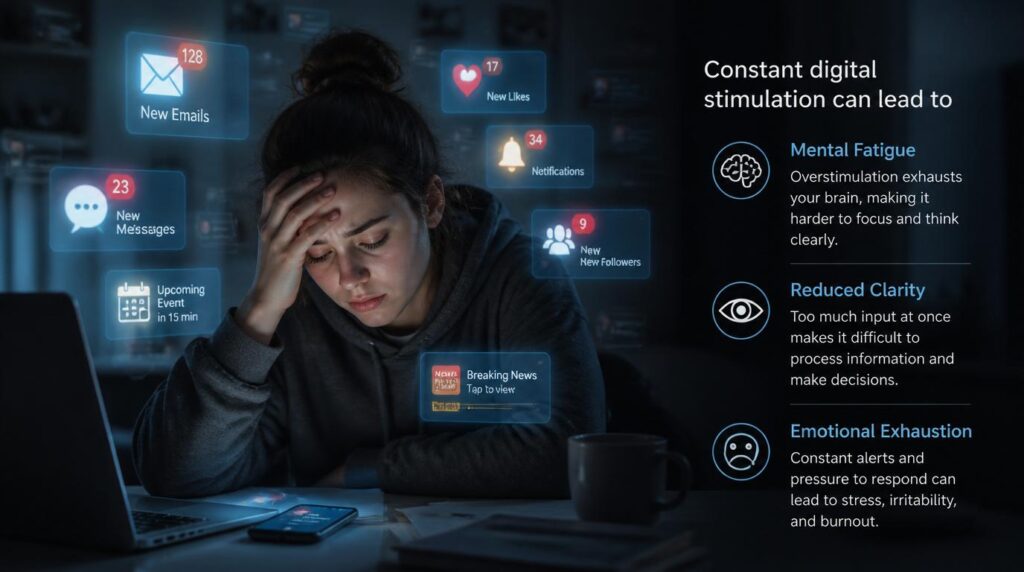
    Constant digital stimulation can lead to mental fatigue, reduced clarity, and emotional exhaustion.

    One major side effect of constant digital stimulation is brain fog.

    Brain fog refers to feelings of mental exhaustion, lack of clarity, forgetfulness, and reduced concentration.

    People experiencing brain fog often feel:

    Tired even after resting

    Unable to think clearly

    Mentally overwhelmed

    Emotionally drained

    Easily distracted

    Social media overload contributes heavily to this problem.

    When the brain never truly rests, mental clarity slowly declines.

    Many people wake up and immediately check their phones. Throughout the day, they consume endless information without giving their minds time to process anything deeply.

    This constant stimulation leaves the brain overloaded.

    Why Short Videos Are Rewiring Attention

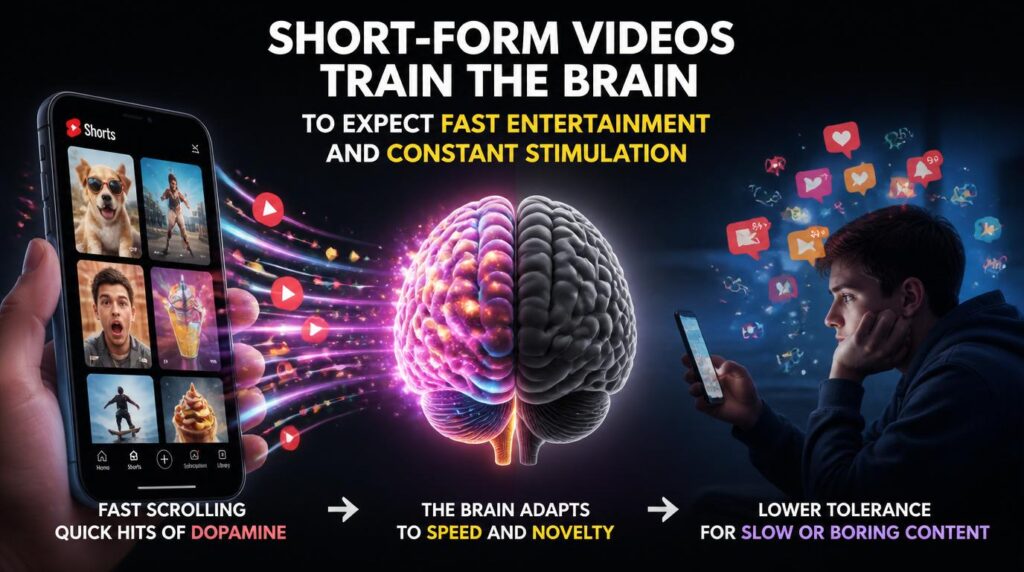
    Short-form videos train the brain to expect fast entertainment and constant stimulation.

    Short-form content platforms like Instagram Reels,Facebook reels , TikTok, and YouTube Shorts are especially powerful because they deliver fast entertainment continuously.

    https://www.psychologytoday.com

    Every few seconds:

    New music

    New emotions

    New visuals

    New stories

    New dopamine triggers

    The brain becomes accustomed to rapid stimulation.

    As a result, slower activities such as studying, reading books, or working on long projects begin to feel boring.

    This doesn’t mean short videos are evil. The problem appears when constant consumption replaces intentional focus.

    Over time, the brain starts expecting instant rewards everywhere.

    The Emotional Cost of Constant Scrolling

    The effects of social media are not limited to focus problems.only

    Many people also experience:

    Anxiety

    Comparison

    Burnout

    Loneliness

    Sleep problems

    Emotional exhaustion

    Social media creates pressure to stay updated constantly. Everyday Notifications make people feel like they must always respond immediately.

    Creators face even more pressure:

    Posting consistently

    Tracking views

    Checking engagement

    Competing for attention

    Behind many successful-looking accounts are exhausted people struggling mentally.

    Why Notifications Are So Addictive

    The Hidden Stress Behind Every Notification

    https://sandeepblogging.com/hidden-stress-behind-notifications/

    Notifications are designed to interrupt attention.

    Every vibration or sound creates curiosity: “Who messaged me?” “Did my post get likes?” “Did someone reply?”

    Even when notifications are unimportant, the brain still reacts automatically.

    This repeated interruption damages deep concentration.

    Many people cannot complete even simple tasks without checking their phones repeatedly.

    The brain slowly loses its ability to stay consistent at present.

    The Importance of Protecting Attention

    https://www.digitalwellnessinstitute.com

    Attention shapes life.

    What people focus on daily eventually shapes:

    Habits

    Thoughts

    Productivity

    Emotions

    Relationships

    Future goals

    That’s why protecting attention has become more important than ever.

    People who control their attention are more likely to:

    Think clearly

    Learn deeply

    Build meaningful skills

    Feel emotionally balanced

    Avoid burnout

    In a world filled with endless distractions, focus has become a superpower.

    How To Improve Focus Naturally

    The good news is that attention can improve again with healthy habits.

    1. Reduce Unnecessary Notifications

    Turn off non-essential notifications. Most alerts are not urgent.

    2. Avoid Doom Scrolling

    Set time limits for social media use.daily

    3. Create Phone-Free Time

    Spend at least 60-90 minutes daily without screens.

    4. Read Long-Form Content

    Books and long articles help rebuild concentration again

    5. Sleep Properly

    Mental recovery is impossible without quality of sleep.

    6. Spend Time Offline

    Walking, exercise,running , meditation, and real conversations help calm the brain.

    7. Practice Deep Work

    Focus on one task at a time without switching constantly.

    Sometimes disconnecting from screens is necessary to reconnect with mental clarity and emotional peace.

    Final Thoughts

    Modern technology is very powerful, but constant digital stimulation comes with hidden costs

    Many people are not losing intelligence or motivation. Their brains are simply overloaded.

    Social media platforms are competing aggressively for human attention, and most people don’t realize how much it affects on mental health and focus.

    Protecting your attention is no longer optional.

    It is necessary for mental clarity, emotional peace, and long-term growth.

    Sometimes the most productive thing you can do is disconnect for a while from social media and allow your mind to breathe again.

    If you feel like your attention span is getting weaker, you’re not alone.

    Modern apps are designed to compete for your focus every second of the day.

    Take breaks. Protect your attention. And remember — your mind deserves silence too.

    If this article helped you, share it with someone struggling with digital burnout and constant scrolling.

    https://www.sandeepblogging.com

  • The Hidden Stress Behind Every Notification: Why Social Media Notifications Are Mentally Exhausting in 2026

    The Hidden Stress Behind Every Notification: Why Social Media Notifications Are Mentally Exhausting in 2026

    Constant notifications are silently increasing stress, anxiety, and digital burnout in modern life.

    Introduction

    In 2026, most people begin and end their day with notifications.

    A vibrating phone, and a social media alert, a message notification, a new email, a comment, or a trending update has become part of daily life. What once felt exciting now feels mentally exhausting for millions of people around the world.

    The modern internet never truly rests. Social media platforms compete aggressively for human attention every second. Instagram wants engagement. YouTube wants retention. TikTok wants endless scrolling.mental exhaustion from social media, Messaging apps demand instant replies. Notifications constantly interrupt peace, focus, and emotional balance.in human life

    Many people no longer feel relaxed when using social media. Instead, they feel pressure, anxiety, distraction, and emotional fatigue.

    Behind every notification is a silent demand for attention.

    And over time, this digital overload slowly affects mental health, productivity, creativity, sleep quality, and emotional stability.

    Social media notifications constantly compete for human attention.

    Why Notifications Feel So Addictive in Human life

    Social media notifications are designed to trigger curiosity and emotional reactions.

    Every notification creates anticipation in the brain:

    Who messaged me?

    Did my post go viral?

    Did someone reply?

    Did I miss something important?

    These small moments activate dopamine, the chemical connected to reward and excitement.

    That is why many people unconsciously check their phones hundreds of times every day.

    Notifications create short emotional rewards, but repeated stimulation slowly trains the brain to constantly seek attention and validation.

    This is one of the reason social media can feel mentally addictive.

    The problem is not technology itself. The problem is the nonstop psychological pressure created by constant digital interruptions.

    The Hidden Psychological Pressure of Being Always Online

    One of the biggest problems in modern digital life is the pressure to stay constantly connected.

    People feel uncomfortable when they:

    •miss notifications

    •reply late

    •stop posting

    •disconnect from social media

    •disappear online

    social media stress

    This creates a dangerous cycle where silence begins to feel unnatural.

    Many users now experience:

    notification anxiety

    fear of missing out (FOMO)

    comparison stress

    mental exhaustion

    reduced attention span

    For content creators, influencers, freelancers, and digital workers, this pressure becomes even stronger.

    According to the World Health Organization, mental health challenges are increasing globally

    https://www.who.int

    Every notification can affect:

    income

    engagement

    opportunities

    visibility

    self-confidence

    digital wellness

    Over time, online pressure slowly turns into emotional burnout.

    Why Social Media Feels Mentally Draining

    Endless scrolling and digital overload are affecting mental health worldwide.

    The human brain was never designed for constant stimulation.

    Today, people consume more information in one day than previous generations consumed in weeks.

    Social media creates:

    endless scrolling

    constant comparison

    nonstop entertainment

    information overload

    The brain rarely gets true rest anymore.

    This is why many people feel:

    mentally tired

    emotionally distracted

    unable to focus deeply

    overwhelmed without understanding why

    Even during rest, people continue checking phones automatically.

    This constant stimulation reduces mental clarity and increases emotional fatigue.

    The Emotional Cost of Notifications

    Notifications are not only distractions. They also affect emotions.

    For example:

    low engagement creates insecurity

    •ignored messages create anxiety

    comparison damages confidence

    online criticism increases stress

    People often compare their real lives with other people’s edited highlights.

    As a result, social media can slowly create:

    loneliness

    low self-esteem

    burnout

    emotional dependency on validation

    The most dangerous part is that many people normalize this stress without realizing its impact.

    Content Creators Face Even Greater Pressure

    Many creators silently struggle with pressure, burnout, and emotional exhaustion.

    For creators, notifications become deeply connected to personal identity.

    Views, comments, followers, shares, and engagement often begin to feel like emotional measurements of success.

    Many creators silently struggle with:

    pressure to stay relevant

    fear of declining views

    burnout from constant posting

    lack of rest

    creative exhaustion

    Audiences usually see:

    uploads

    edits

    viral moments

    polished content

    But they rarely see:

    sleepless nights

    self-doubt

    mental pressure

    emotional exhaustion

    One bad month online can destroy motivation for weeks.

    This is why creator burnout has become increasingly common in 2026.

    The Link Between Notifications and Anxiety

    Studies and digital behavior trends continue showing strong links between excessive notifications and stress levels.

    https://www.digitalwellnessinstitute.com

    Constant interruptions affect:

    focus

    productivity

    emotional regulation

    sleep quality

    Every notification forces the brain to switch attention repeatedly.

    This weakens concentration and increases mental fatigue throughout the day.

    Many people now struggle to:

    read deeply

    focus on long tasks

    enjoy silence

    stay present offline

    The brain becomes conditioned to constant stimulation.

    As a result, peace begins to feel unfamiliar.

    How Notifications Affect Sleep and Mental Recovery

    One major issue is nighttime phone usage.

    People often:

    check notifications before sleeping

    wake up to check phones

    respond to messages late at night

    This reduces sleep quality significantly.

    Blue light, emotional stimulation, and digital stress prevent the brain from relaxing properly.

    Poor sleep then increases:

    anxiety

    mood swings

    exhaustion

    low productivity

    Without proper mental recovery, digital burnout becomes much worse.

    How To Reduce Notification Stress

    Social media is now part of modern life, but balance is still possible.

    Here are practical ways to reduce digital exhaustion:

    1. Disable Non-Essential Notifications

    Not every app deserves immediate attention.

    Turn off:

    unnecessary alerts

    promotional notifications

    random updates

    This reduces mental interruptions instantly.

    2. Create Phone-Free Time

    Spend at least:

    30 minutes after waking up

    1 hour before sleep

    without checking social media.

    This improves mental clarity and emotional calmness.

    3. Stop Measuring Self-Worth Through Engagement

    Likes, views, and comments should never define personal value.

    Algorithms change constantly.

    Mental peace matters more than numbers.

    4. Take Regular Social Media Breaks

    Even short breaks help reduce:

    anxiety

    comparison

    emotional overload

    Silence is healthy for the brain.

    5. Prioritize Real-Life Recovery

    Good sleep, exercise, sunlight, conversations, and offline hobbies help restore mental energy.

    Real recovery cannot happen through endless scrolling.

    Final Thoughts

    Social media notifications may seem small, but their psychological impact is enormous.

    Constant alerts slowly train the brain to stay distracted, emotionally reactive, and mentally exhausted.

    The internet rewards attention, consistency, and nonstop activity. But human beings still need rest, silence, and emotional balance.

    Technology should improve life — not control it.

    Sometimes the healthiest thing a person can do is disconnect for a while and protect their peace of mind.

    Because behind every notification is a silent demand for your attention.

    And attention is one of the most valuable things you own.

    Follow For More such Creative Ideas:

    https://www.sandeepblogging.com