
Deep work helps you accomplish meaningful tasks without distractions.
Introduction
Take a moment and think about your last working day
You opened your laptop with a clear goal in mind. Within minutes, a notification appeared on your phone. Then an email arrived. A WhatsApp message demanded your attention. You checked Instagram for “just a minute” and suddenly twenty minutes disappeared.
By the end of the day, you felt busy but not productive
This is the reality for millions of people.
We live in a world where distraction has become normal. Our attention is constantly pulled in different directions by smartphones, social media, emails, and endless notifications.
As a result, the ability to concentrate deeply has become one of the most valuable skills anyone can develop.
This skill is called Deep Work.
Deep Work is not simply working harder or spending more hours at your desk.
Whether you are a student, blogger, entrepreneur, employee, or creator, Deep Work allows you to produce better results in less time.
In today’s digital world, people who master Deep Work have a significant advantage because they can learn faster, think clearly, and create higher-quality work
Instead of constantly reacting to distractions, they intentionally direct their attention toward meaningful goals.
If you want to improve your productivity, build valuable skills, or achieve long-term success, learning Deep Work is one of the best investments you can make.
What Is Deep Work?
The concept of Deep Work became popular through author Cal Newport, who describes it as the ability to perform cognitively demanding tasks in a state of distraction-free concentration.
Simply put, Deep Work means giving your full attention to one important activity without switching tasks or checking notifications.
Examples include:
•Writing a blog article
•Learning a new programming language
•Reading an educational book
•Studying for an exam
•Designing a business strategy
•Creating a YouTube script
During Deep Work, your brain operates at its highest level.
You process information faster.
You make fewer mistakes.
You understand complex ideas more easily.
And most importantly, you produce work that creates real value.
Deep Work vs Shallow Work
Most people confuse being busy with being productive.
But there is a huge difference.
Deep Work
✅ Single-task focus
✅ No notifications
✅ High concentration
✅ Creates long-term value
✅ Improves skills
✅ Produces meaningful results
Shallow Work
❌ Constant multitasking
❌ Frequent interruptions
❌ Checking emails every few minutes
❌ Endless meetings
❌ Social media scrolling
❌ Low-value repetitive tasks
Shallow work feels productive because you are constantly doing something.
But at the end of the day, very little meaningful progress has been made.
Deep Work, on the other hand, may feel difficult at first, but it produces extraordinary results over time.
Why Deep Work Is Becoming Rare
Technology has made information more accessible than ever before.
Unfortunately, it has also made distraction available every second of the day.
Consider how many times you check your phone.
For many people, it happens dozens or even hundreds of times daily.
Every notification interrupts your concentration.
Every social media scroll breaks your momentum.
Every unnecessary email steals a little more attention.
Your brain must repeatedly switch between different tasks, making it harder to enter a state of deep concentration.
Over time, this creates a habit of constant distraction.
Many people become uncomfortable sitting quietly and focusing on one task for even thirty minutes.
Instead, they seek quick entertainment or instant rewards.
This is exactly why Deep Work has become so valuable.
As distractions increase, the ability to ignore them becomes a competitive advantage.

Removing distractions is the first step toward Deep Work.
Why Deep Work Can Change Your Life
Deep Work is much more than a productivity technique.
It changes the way you think, learn, and work.
People who regularly practice Deep Work often experience:
https://sandeepblogging.com/why-short-videos-are-destroying-your-attention-span/
Better Focus
Your mind becomes trained to concentrate for longer periods without getting distracted.
Higher Productivity
One hour of Deep Work can produce more meaningful results than several hours of distracted work.
Faster Learning
When you focus deeply, your brain absorbs and retains information more effectively.
Better Decision Making
A focused mind thinks more clearly and makes fewer impulsive choices.
Reduced Stress
Constant multitasking creates mental fatigue.
Deep Work allows you to work calmly and intentionally.
Career Growth
Professionals who consistently produce high-quality work often stand out and create more opportunities for themselves.
https://sandeepblogging.com/why-multitasking-doesnt-work/
7 Practical Ways to Practice Deep Work
Deep Work is not a talent that only a few people possess.
It is a skill that anyone can develop with consistent practice.
Here are seven practical ways to build Deep Work into your daily routine.
1. Eliminate Digital Distractions
Every notification steals a small piece of your attention.
Before starting an important task:
•Turn off notifications
•Put your phone on silent
•Close unnecessary browser tabs
•Log out of social media
Creating a distraction-free environment allows your brain to focus completely on the task in front of you.
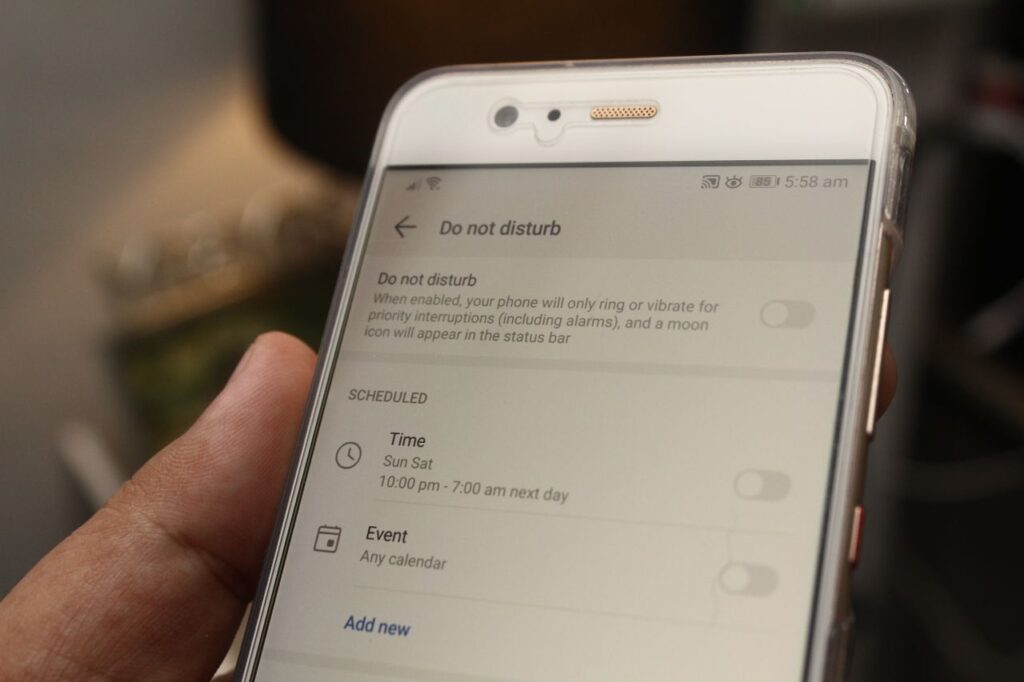
Turning off notifications creates space for uninterrupted thinking.
2. Work on One Task at a Time
Multitasking may feel productive, but research consistently shows that constantly switching between tasks reduces efficiency.
Instead of:
❌ Writing while checking WhatsApp
❌ Studying while watching YouTube
❌ Working while scrolling Instagram
Choose one task.
Give it your complete attention.
Finish it before moving to the next one.
Single-tasking is one of the simplest ways to improve focus.
3. Schedule Deep Work Sessions
Don’t wait until you “feel motivated.”
Schedule Deep Work like an important meeting.
Examples:
Morning: 9:00 AM – 10:30 AM
Evening: 7:00 PM – 8:00 PM
Protect this time.
Avoid emails, calls, and social media during these sessions.
Consistency is more important than duration.
Even 45 minutes of uninterrupted focus every day can produce remarkable results over time.
4. Create a Dedicated Workspace
Your environment influences your concentration.
A clean workspace signals your brain that it’s time to focus.
Keep only essential items:
• Laptop
•Notebook
•Water bottle
•pen
Remove unnecessary distractions.
minimalist workspace reduces mental clutter and improves attention.

clean workspace encourages focused thinking.
5. Practice Deep Reading
Reading trains your brain to sustain attention.
Instead of consuming hundreds of short videos every day, spend at least twenty minutes reading:
•Books
•Long-form articles
•Research papers
•Educational blogs
Reading improves concentration, comprehension, and critical thinking.
6. Start Small
Many people fail because they try to work deeply for three hours on the first day.
Instead:
Week 1: 30 minutes
Week 2: 45 minutes
Week 3: 60 minutes
Gradually increase your focus sessions.
Like a muscle, attention becomes stronger through regular practice.
7. Take Intentional Breaks
Deep Work requires mental energy.
Working without breaks often leads to fatigue.
After a focused session:
Take a walk.
Stretch.
Drink water.
Look away from screens.
Short breaks help your brain recover and maintain high performance throughout the day.
Common Deep Work Mistakes
Many people unknowingly reduce their productivity by making these mistakes.
•Mistake 1
Checking notifications every few minutes.
•Mistake 2
Working with multiple browser tabs open.
•Mistake 3
Trying to multitask.
•Mistake 4
Starting the day with social media.
•Mistake 5
Working without clear priorities.
Avoiding these habits dramatically improves focus.
A Simple Daily Deep Work Routine
Morning
•Wake up
•Avoid social media
•Exercise or walk
•Plan top three priorities
Deep Work Session
60–90 minutes
Afternoon
•Emails
•Meetings
•Shallow tasks
Evening
•Reading
•Learning
•Reflection
•Plan tomorrow
Following a structured routine reduces decision fatigue and makes Deep Work easier.

Daily reading strengthens focus and supports Deep Work.
Final Thoughts
We live in an age where attention is constantly under attack.
Every notification, message, and endless scroll competes for our focus.
The people who succeed in the future won’t necessarily be the busiest.
They will be the ones who can focus deeply on meaningful work while others are distracted.
Deep Work is not about working longer.
it is about working smarter.
Start with thirty distraction-free minutes every day.
•Protect your attention.
•Read more.
•Scroll less.
•Focus deeply.
Small daily improvements will compound into extraordinary long-term results.
If you want practical tips on productivity, focus, digital wellness, blogging, and online earning, join the Learn Earn With Sandeep community.
Here’s how you can stay connected:
https://www.sandeepblogging.com
📱 Follow us on Instagram for daily productivity reels.@Learn earn with sandeep
🎥 Subscribe on YouTube for actionable videos.@Learn Earn with sandeep
💼 Connect on LinkedIn for professional insights.@Learn Earn with sandeep
✍️ Read more in our latest WordPress blogs and Medium articles.@Learn Earn with sandeep
Small daily improvements create extraordinary long-term results.
Leave a Reply
You must be logged in to post a comment.