Tag: digital wellness

  • Deep Work: The Skill That Can Change Your Life

    Deep Work: The Skill That Can Change Your Life

    Deep work helps you accomplish meaningful tasks without distractions.

    Introduction

    Take a moment and think about your last working day

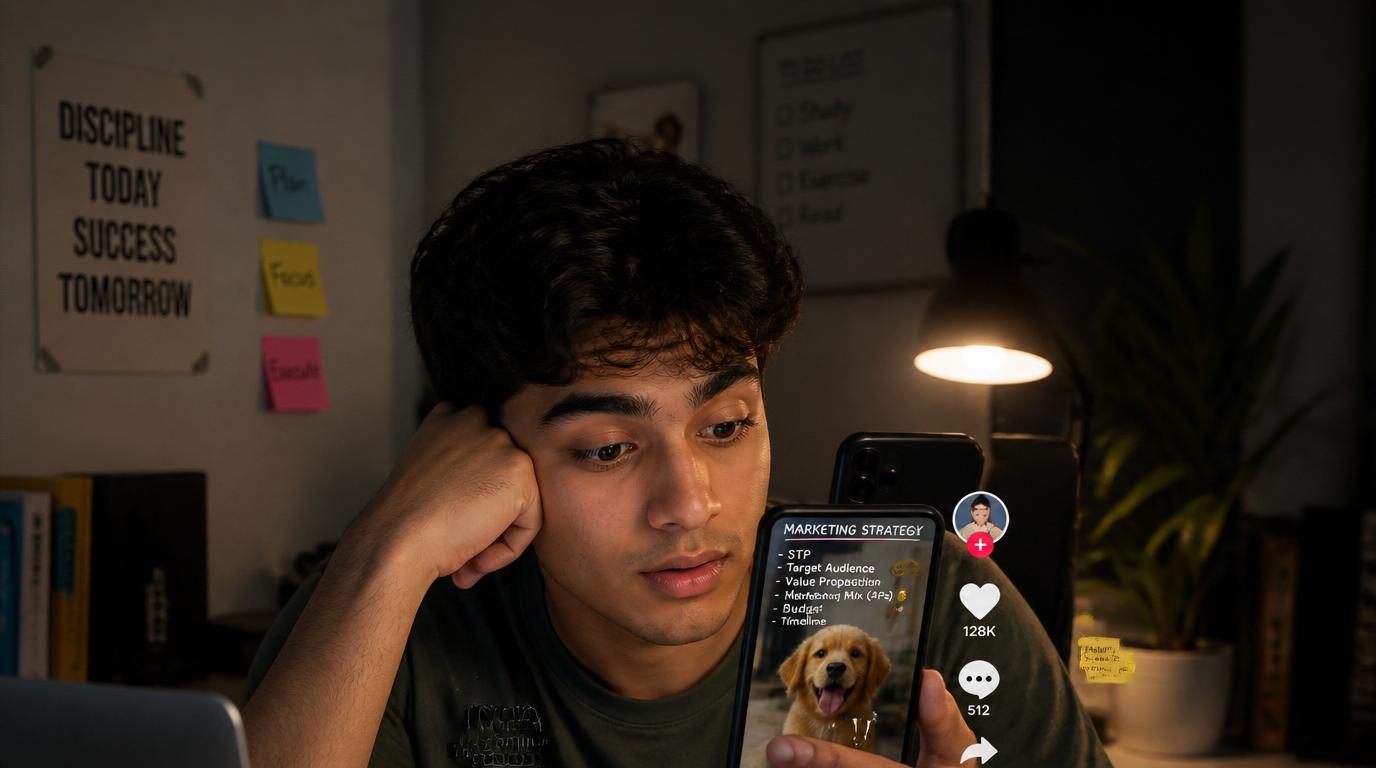
    You opened your laptop with a clear goal in mind. Within minutes, a notification appeared on your phone. Then an email arrived. A WhatsApp message demanded your attention. You checked Instagram for “just a minute” and suddenly twenty minutes disappeared.

    By the end of the day, you felt busy but not productive

    This is the reality for millions of people.

    We live in a world where distraction has become normal. Our attention is constantly pulled in different directions by smartphones, social media, emails, and endless notifications.

    As a result, the ability to concentrate deeply has become one of the most valuable skills anyone can develop.

    This skill is called Deep Work.

    Deep Work is not simply working harder or spending more hours at your desk.

    Whether you are a student, blogger, entrepreneur, employee, or creator, Deep Work allows you to produce better results in less time.

    In today’s digital world, people who master Deep Work have a significant advantage because they can learn faster, think clearly, and create higher-quality work

    Instead of constantly reacting to distractions, they intentionally direct their attention toward meaningful goals.

    If you want to improve your productivity, build valuable skills, or achieve long-term success, learning Deep Work is one of the best investments you can make.

    What Is Deep Work?

    The concept of Deep Work became popular through author Cal Newport, who describes it as the ability to perform cognitively demanding tasks in a state of distraction-free concentration.

    Simply put, Deep Work means giving your full attention to one important activity without switching tasks or checking notifications.

    Examples include:

    •Writing a blog article

    •Learning a new programming language

    •Reading an educational book

    •Studying for an exam

    •Designing a business strategy

    •Creating a YouTube script

    During Deep Work, your brain operates at its highest level.

    You process information faster.

    You make fewer mistakes.

    You understand complex ideas more easily.

    And most importantly, you produce work that creates real value.

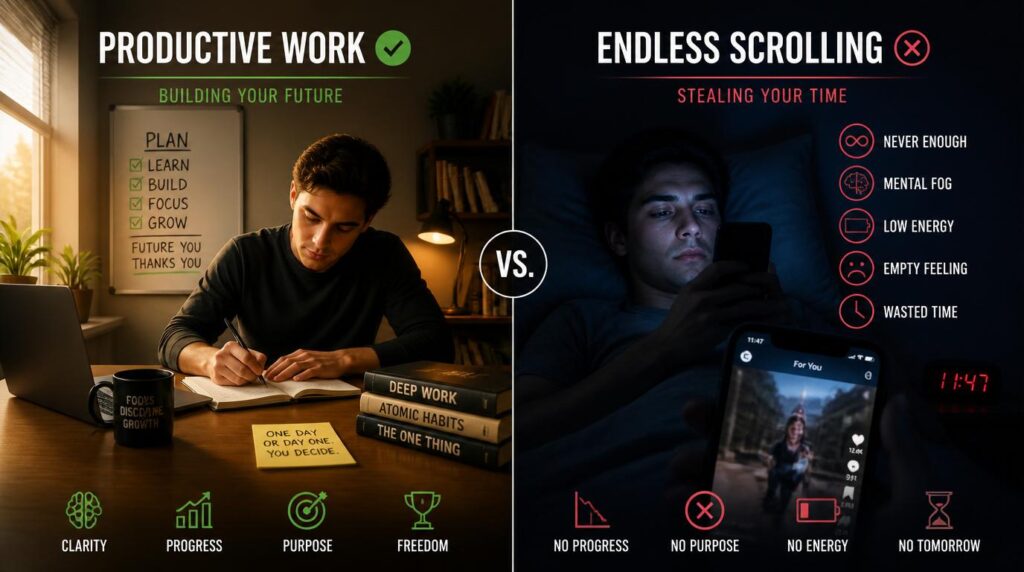
    Deep Work vs Shallow Work

    Most people confuse being busy with being productive.

    But there is a huge difference.

    Deep Work

    ✅ Single-task focus

    ✅ No notifications

    ✅ High concentration

    ✅ Creates long-term value

    ✅ Improves skills

    ✅ Produces meaningful results

    Shallow Work

    ❌ Constant multitasking

    ❌ Frequent interruptions

    ❌ Checking emails every few minutes

    ❌ Endless meetings

    ❌ Social media scrolling

    ❌ Low-value repetitive tasks

    Shallow work feels productive because you are constantly doing something.

    But at the end of the day, very little meaningful progress has been made.

    Deep Work, on the other hand, may feel difficult at first, but it produces extraordinary results over time.

    Why Deep Work Is Becoming Rare

    Technology has made information more accessible than ever before.

    Unfortunately, it has also made distraction available every second of the day.

    Consider how many times you check your phone.

    For many people, it happens dozens or even hundreds of times daily.

    Every notification interrupts your concentration.

    Every social media scroll breaks your momentum.

    Every unnecessary email steals a little more attention.

    Your brain must repeatedly switch between different tasks, making it harder to enter a state of deep concentration.

    Over time, this creates a habit of constant distraction.

    Many people become uncomfortable sitting quietly and focusing on one task for even thirty minutes.

    Instead, they seek quick entertainment or instant rewards.

    This is exactly why Deep Work has become so valuable.

    As distractions increase, the ability to ignore them becomes a competitive advantage.

    Removing distractions is the first step toward Deep Work.

    Why Deep Work Can Change Your Life

    Deep Work is much more than a productivity technique.

    It changes the way you think, learn, and work.

    People who regularly practice Deep Work often experience:

    https://sandeepblogging.com/why-short-videos-are-destroying-your-attention-span/

    Better Focus

    Your mind becomes trained to concentrate for longer periods without getting distracted.

    Higher Productivity

    One hour of Deep Work can produce more meaningful results than several hours of distracted work.

    Faster Learning

    When you focus deeply, your brain absorbs and retains information more effectively.

    Better Decision Making

    A focused mind thinks more clearly and makes fewer impulsive choices.

    Reduced Stress

    Constant multitasking creates mental fatigue.

    Deep Work allows you to work calmly and intentionally.

    Career Growth

    Professionals who consistently produce high-quality work often stand out and create more opportunities for themselves.

    https://sandeepblogging.com/why-multitasking-doesnt-work/

    7 Practical Ways to Practice Deep Work

    Deep Work is not a talent that only a few people possess.

    It is a skill that anyone can develop with consistent practice.

    Here are seven practical ways to build Deep Work into your daily routine.

    1. Eliminate Digital Distractions

    Every notification steals a small piece of your attention.

    Before starting an important task:

    •Turn off notifications

    •Put your phone on silent

    •Close unnecessary browser tabs

    •Log out of social media

    Creating a distraction-free environment allows your brain to focus completely on the task in front of you.
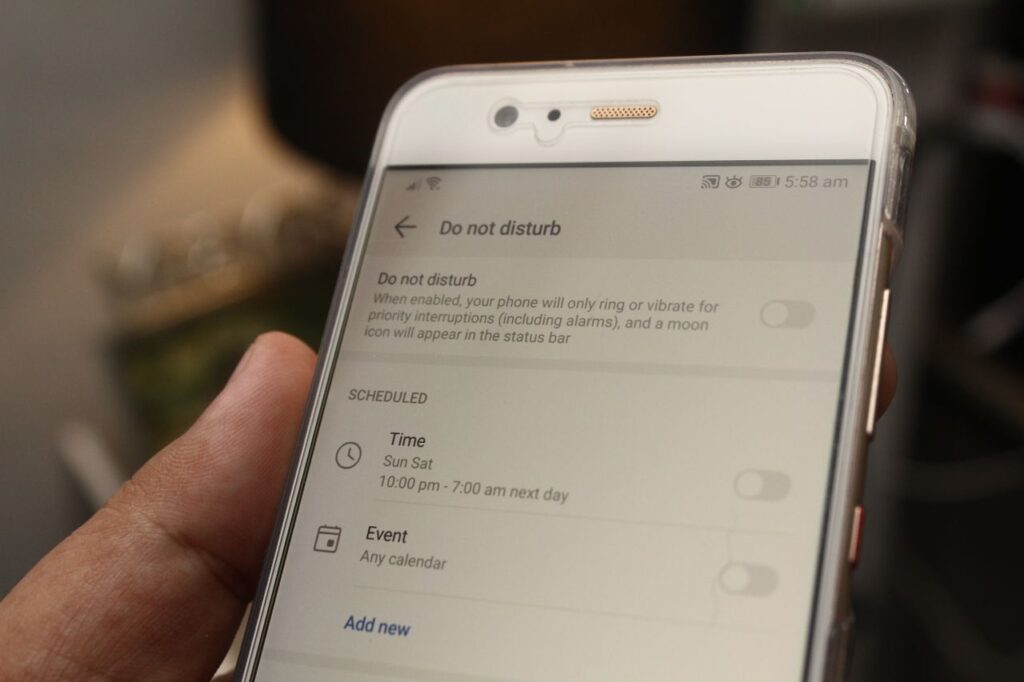
    Turning off notifications creates space for uninterrupted thinking.

    2. Work on One Task at a Time

    Multitasking may feel productive, but research consistently shows that constantly switching between tasks reduces efficiency.

    Instead of:

    ❌ Writing while checking WhatsApp

    ❌ Studying while watching YouTube

    ❌ Working while scrolling Instagram

    Choose one task.

    Give it your complete attention.

    Finish it before moving to the next one.

    Single-tasking is one of the simplest ways to improve focus.

    3. Schedule Deep Work Sessions

    Don’t wait until you “feel motivated.”

    Schedule Deep Work like an important meeting.

    Examples:

    Morning: 9:00 AM – 10:30 AM

    Evening: 7:00 PM – 8:00 PM

    Protect this time.

    Avoid emails, calls, and social media during these sessions.

    Consistency is more important than duration.

    Even 45 minutes of uninterrupted focus every day can produce remarkable results over time.

    4. Create a Dedicated Workspace

    Your environment influences your concentration.

    A clean workspace signals your brain that it’s time to focus.

    https://about.google/

    Keep only essential items:

    • Laptop

    •Notebook

    •Water bottle

    •pen

    Remove unnecessary distractions.

    minimalist workspace reduces mental clutter and improves attention.
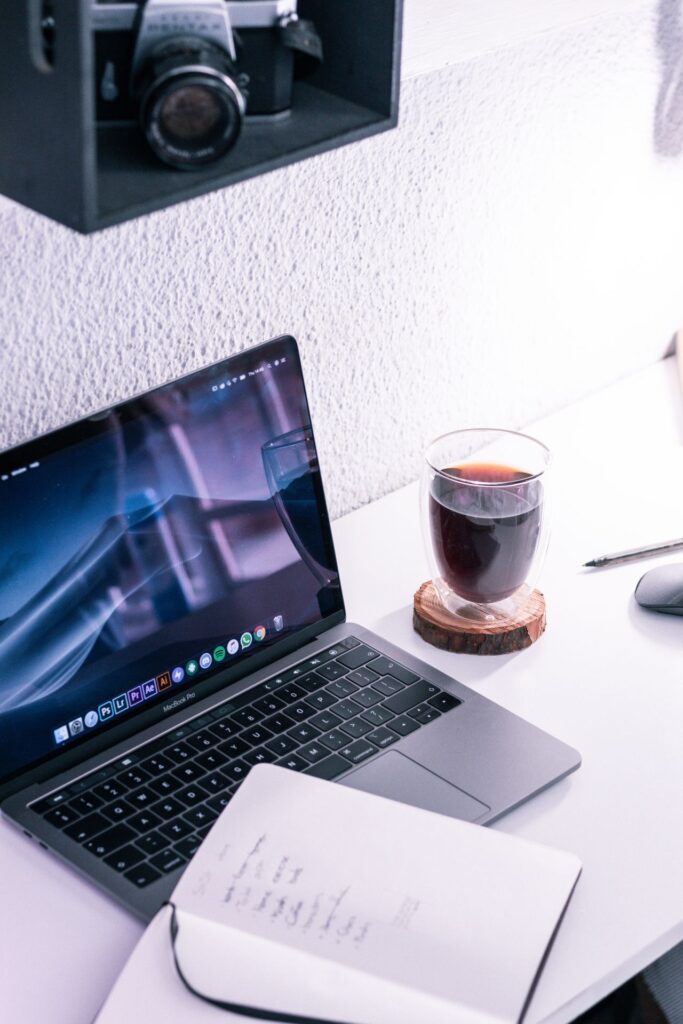
    clean workspace encourages focused thinking.

    5. Practice Deep Reading

    Reading trains your brain to sustain attention.

    Instead of consuming hundreds of short videos every day, spend at least twenty minutes reading:

    •Books

    •Long-form articles

    •Research papers

    •Educational blogs

    Reading improves concentration, comprehension, and critical thinking.

    6. Start Small

    Many people fail because they try to work deeply for three hours on the first day.

    Instead:

    Week 1: 30 minutes

    Week 2: 45 minutes

    Week 3: 60 minutes

    Gradually increase your focus sessions.

    Like a muscle, attention becomes stronger through regular practice.

    7. Take Intentional Breaks

    Deep Work requires mental energy.

    Working without breaks often leads to fatigue.

    After a focused session:

    Take a walk.

    Stretch.

    Drink water.

    Look away from screens.

    Short breaks help your brain recover and maintain high performance throughout the day.

    https://hbr.org/

    Common Deep Work Mistakes

    Many people unknowingly reduce their productivity by making these mistakes.

    •Mistake 1

    Checking notifications every few minutes.

    •Mistake 2

    Working with multiple browser tabs open.

    •Mistake 3

    Trying to multitask.

    •Mistake 4

    Starting the day with social media.

    •Mistake 5

    Working without clear priorities.

    Avoiding these habits dramatically improves focus.

    A Simple Daily Deep Work Routine

    Morning

    •Wake up

    •Avoid social media

    •Exercise or walk

    •Plan top three priorities

    Deep Work Session

    60–90 minutes

    Afternoon

    •Emails

    •Meetings

    •Shallow tasks

    Evening

    •Reading

    •Learning

    •Reflection

    •Plan tomorrow

    Following a structured routine reduces decision fatigue and makes Deep Work easier.

    Daily reading strengthens focus and supports Deep Work.

    Final Thoughts

    We live in an age where attention is constantly under attack.

    Every notification, message, and endless scroll competes for our focus.

    The people who succeed in the future won’t necessarily be the busiest.

    They will be the ones who can focus deeply on meaningful work while others are distracted.

    Deep Work is not about working longer.

    it is about working smarter.

    Start with thirty distraction-free minutes every day.

    •Protect your attention.

    •Read more.

    •Scroll less.

    •Focus deeply.

    Small daily improvements will compound into extraordinary long-term results.

    If you want practical tips on productivity, focus, digital wellness, blogging, and online earning, join the Learn Earn With Sandeep community.

    Here’s how you can stay connected:

    https://www.sandeepblogging.com

    📱 Follow us on Instagram for daily productivity reels.@Learn earn with sandeep

    🎥 Subscribe on YouTube for actionable videos.@Learn Earn with sandeep

    💼 Connect on LinkedIn for professional insights.@Learn Earn with sandeep

    ✍️ Read more in our latest WordPress blogs and Medium articles.@Learn Earn with sandeep

    Small daily improvements create extraordinary long-term results.
  • Why We Check Our Phones Hundreds of Times a Day (And How to Stop)

    Why We Check Our Phones Hundreds of Times a Day (And How to Stop)

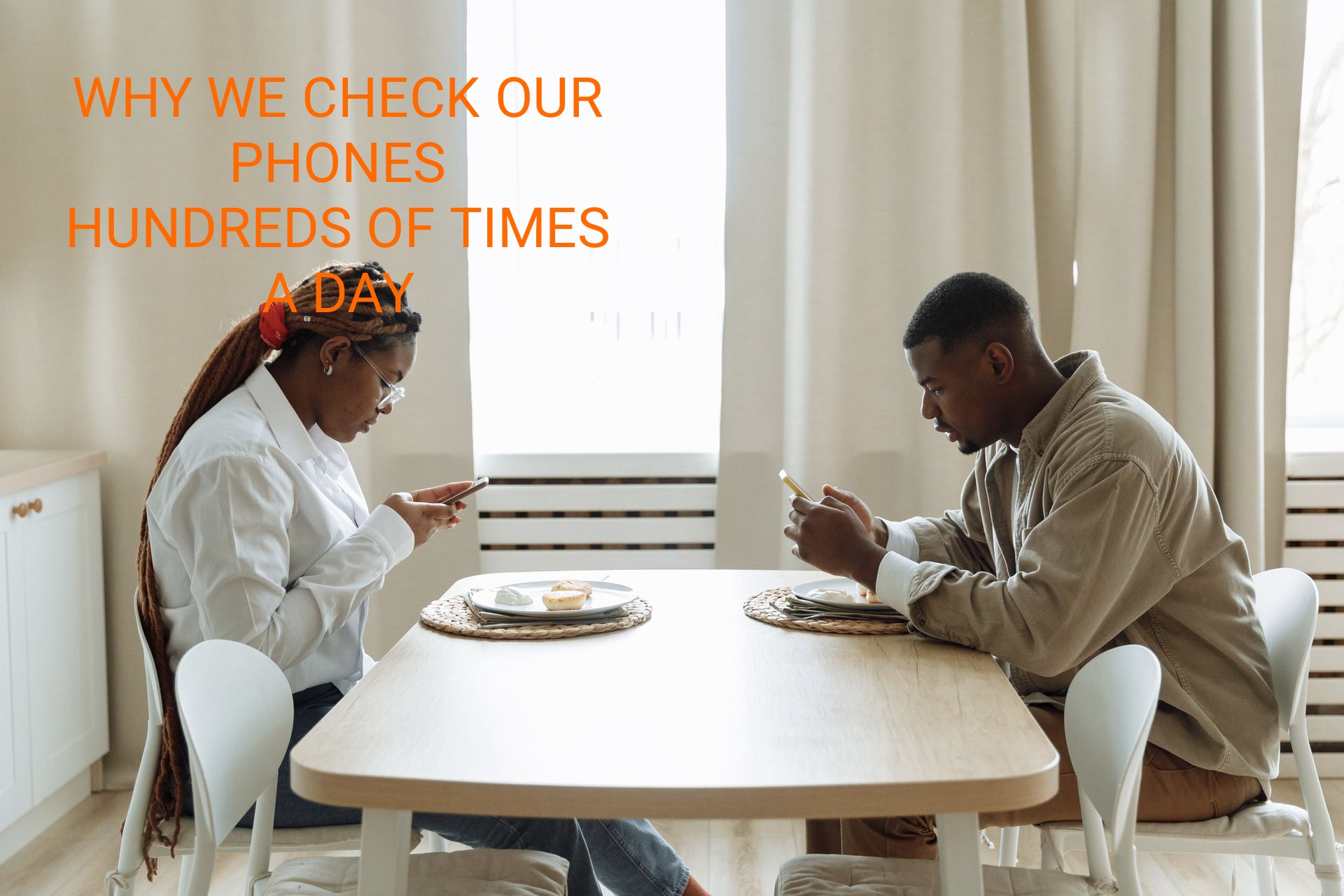
    Many people check their phones automatically throughout the day without realizing how often it happens.

    Introduction

    Have you ever unlocked your phone to check one notification and then found yourself scrolling for ten minutes without realizing it?

    You’re not alone.

    Many people check their phones dozens or even hundreds of times every day. Sometimes we do it intentionally. Other times it happens automatically, almost like a reflex.

    A quick glance at a notification becomes a social media scroll. A short check of messages turns into twenty minutes of browsing videos. Before we know it, our attention has been pulled away from work, study, conversations, and even relaxation.

    The surprising part is that most people are not consciously deciding to check their phones so often. Modern apps and devices are designed to capture attention and encourage repeated engagement.

    In this article, we’ll explore why we constantly reach for our phones, how notifications and social media influence our behavior, and practical strategies to regain control of our attention.

    The Habit Loop Behind Phone Checking

    Phone checking often follows a simple habit loop:

    https://www.apa.org/

    1•Trigger

    2•Action

    3•Reward

    A notification appears.

    You check your phone.

    You receive information, entertainment, or social interaction.

    Your brain begins associating phone checking with rewards. Over time, the behavior becomes automatic.

    Even when there is no notification, many people continue checking their devices out of habit.

    Why Notifications Are So Powerful

    Phone notifications causing distractions and reducing focus

    Notifications create curiosity and encourage frequent phone checking, even when the information isn’t important.

    Notifications create curiosity.

    A message, comment, email, or social media alert signals that something new might be waiting for us.

    Because humans naturally seek new information, notifications can feel difficult to ignore.

    This constant interruption can reduce focus and make it harder to engage in deep work.

    If you haven’t already, read our article on Hidden Stress Behind Notifications to understand how frequent alerts affect mental well-being.

    https://sandeepblogging.com/hidden-stress-behind-notifications/

    The Role of Social Media

    Social media scrolling and attention span problems

    Personalized feeds and endless scrolling features are designed to keep users engaged for longer periods.

    Social media platforms compete for attention.

    Features such as infinite scrolling, personalized feeds, and recommendations encourage users to spend more time inside apps.

    Every swipe presents something new.

    That unpredictability keeps users engaged because the next piece of content might be interesting, funny, or rewarding.

    This is one reason short-form content can feel so difficult to stop consuming.

    You may also enjoy reading Why Short Videos Are Destroying Your Attention Span for a deeper look at this topic.

    https://sandeepblogging.com/why-short-videos-are-destroying-your-attention-span/

    Why We Reach for Our Phones When We’re Bored

    https://hbr.org/

    Boredom is uncomfortable for many people.

    Whenever we experience a quiet moment, we often look for stimulation.

    •Waiting in line.

    •Riding public transport.

    •Taking a short break.

    Instead of allowing our minds to rest, we instinctively reach for our phones.

    Over time, this can reduce our tolerance for boredom and make it harder to focus on longer, more demanding tasks.

    How Frequent Phone Checking Affects Focus

    Improving focus by reducing phone distractions

    Reducing notifications and creating phone-free periods can help improve focus and productivity.

    Every interruption forces the brain to switch attention.

    Even a brief phone check can disrupt concentration.

    Research suggests that returning to a task after an interruption often takes longer than people expect.

    This is one reason multitasking feels productive but often reduces performance.

    For more on this topic, see Why Multitasking Doesn’t Work (And What To Do Instead).

    https://sandeepblogging.com/why-multitasking-doesnt-work/

    The Connection Between Phones and Mental Fatigue

    Constant connectivity creates mental load.

    Messages.

    Notifications.

    Updates.

    Emails.

    News alerts.

    Each demand for attention requires mental energy.

    When these interruptions occur throughout the day, many people experience reduced concentration and increased fatigue.

    Practical Ways to Check Your Phone Less

    1. Disable Non-Essential Notifications

    Turn off alerts that do not require immediate attention.

    2. Create Phone-Free Work Sessions

    Work for 30–60 minutes without checking your device.

    3. Keep Your Phone Out of Reach

    Physical distance reduces temptation.

    4. Remove Distracting Apps From the Home Screen

    Make distractions less accessible.

    5. Schedule Intentional Check-In Times

    Instead of reacting to every notification, check messages at planned intervals.

    Final Thoughts

    Checking your phone occasionally isn’t a problem.

    The issue begins when phone checking becomes automatic and starts controlling your attention.

    Understanding why we reach for our devices is the first step toward changing the habit

    By reducing unnecessary notifications, creating focused work sessions, and becoming more intentional with technology use, you can regain control of your attention and improve both productivity and well-being.

    Your attention is one of your most valuable resources. Protect it carefully.

  • Why Multitasking Doesn’t Work (And What To Do Instead)

    Why Multitasking Doesn’t Work (And What To Do Instead)

    Multitasking may feel productive, but constant task switching often reduces focus and efficiency.

    Introduction

    Imagine you trying to read a book, reply to messages, check email, and watch a video at the same time

    Most of us think we’re multitasking efficiently.

    In reality, we’re usually switching between tasks rapidly rather than performing them simultaneously.

    Modern technology encourages multitasking. Notifications arrive constantly, multiple browser tabs stay open, and social media competes for our attention every minute of the day.

    While multitasking may feel productive, research and everyday experience suggest the opposite. Constant task switching often reduces productivity, increases mistakes, and leaves us mentally exhausted.

    What Is Multitasking?

    Every time we switch between tasks, the brain needs time to refocus, reducing productivity and increasing mental fatigue.

    Multitasking is the act of handling multiple activities during the same period.

    Examples include:

    •Checking emails while attending a meeting

    •Replying to messages while studying

    •Watching videos while working

    •Scrolling social media during conversations

    Although it feels efficient, the brain is usually not performing all tasks at once. Instead, it rapidly shifts attention from one activity to another.

    The Myth Of Being More Productive

    Harvard Business Review

    https://hbr.org/

    Single-tasking allows the brain to concentrate fully, leading to better work quality and improved focus.

    Many people believe multitasking helps them get more done.

    The reality is different.

    Each time attention shifts, the brain requires time to refocus.

    These small interruptions may seem insignificant, but they accumulate throughout the day.

    As a result:

    Tasks take longer

    Concentration decreases

    Mental fatigue increases

    What feels like productivity often becomes hidden inefficiency.

    Why The Brain Struggles With Multitasking

    Why Our Brain Can’t Focus Anymore

    https://sandeepblogging.com/why-our-brain-cant-focus-anymore/

    Human attention is limited.

    When we switch between activities, the brain pays a cognitive cost.

    Instead of dedicating full attention to one task, mental resources become divided.

    This creates:

    Reduced accuracy

    Lower creativity

    Increased stress

    More mistakes

    The more frequently we switch tasks, the harder it becomes to maintain deep focus.

    American Psychological Association

    https://www.apa.org

    The Cost Of Constant Task Switching

    Why Short Videos Are Destroying Your Attention Span

    https://sandeepblogging.com/why-short-videos-are-destroying-your-attention-span/

    •Consider a typical workday.

    •You begin writing a report.

    •A notification appears.

    •You check your phone.

    •Then an email arrives.

    Next, you open social media for a quick look.

    Within minutes, your attention has shifted multiple times.

    Even when returning to the original task, your brain needs time to regain momentum.

    This process repeats throughout the day, reducing overall productivity.

    How Multitasking Affects Learning

    Students often study while watching videos or checking social media.

    Although it feels manageable, information retention usually suffers.

    Learning requires focused attention.

    When attention is divided, comprehension becomes weaker and memory formation becomes less effective.

    This is one reason many people spend hours studying yet remember very little afterward

    The Link Between Multitasking And Stress

    Hidden Stress Behind Notifications

    https://sandeepblogging.com/hidden-stress-behind-notifications/

    Multitasking creates a constant sense of urgency.

    Notifications, messages, and unfinished tasks compete for attention simultaneously.

    This can create mental overload and increase feelings of stress.

    Over time, the habit may contribute to burnout, fatigue, and difficulty concentrating.

    What To Do Instead: Single-Tasking

    Single-tasking allows the brain to concentrate fully, leading to better work quality and improved focus.

    Single-tasking means focusing on one activity at a time.

    It sounds simple, but it can dramatically improve productivity.

    Benefits include:

    Better concentration

    Higher-quality work

    Faster completion times

    Reduced stress

    When attention remains on a single task, the brain works more efficiently.

    Practical Tips To Stop Multitasking

    Frequent notifications interrupt deep work and train the brain to seek constant stimulation.

    1•Turn off unnecessary notifications.

    2•Keep only essential tabs open.

    3•Schedule specific times for email.

    4•Use focus sessions of 25–50 minutes.

    5•Place your phone away while working.

    6•Complete one important task before starting another.

    Small changes can produce significant improvements over time.

    Final Thoughts

    Multitasking often feels productive because we stay busy.

    However, being busy and being effective are not the same thing.

    The brain performs best when it can focus on one meaningful task at a time.

    If you want better results, stronger focus, and less stress, consider replacing multitasking with intentional single-tasking.

    Your attention is one of your most valuable resources. Protect it wisely.

  • Why Short Videos Are Destroying Your Attention Span (And How to Fix It)

    Why Short Videos Are Destroying Your Attention Span (And How to Fix It)

    A constant stream of short videos can train the brain to seek instant rewards, making deep focus increasingly difficult.

    Introduction

    Have you ever opened Instagram or YouTube for “just five minutes” and suddenly realized that an hour has passed?

    You’re not alone.

    Short-form videos attention span and have become one of the most popular forms of entertainment in the world. Platforms like Instagram Reels,Facebook reels,YouTube Shorts, and TikTok deliver endless streams of content designed to capture attention instantly. While these platforms are entertaining and often informative, they may also be changing how our brains focus, learn, and process information.

    Many people today struggle to read books, complete tasks without distractions, or stay focused during work and study sessions. Activities that once felt normal now seem boring or difficult. As a result, attention spans appear to be shrinking, and mental fatigue is becoming increasingly common.

    The problem isn’t necessarily a lack of discipline. Instead, it may be the result of constant digital stimulation.

    In this article, we’ll explore how short videos affect attention span, why they feel so addictive, and what practical steps you can take to rebuild your ability to focus.

    What Is Attention Span and Why Does It Matter?

    If you’ve noticed that concentrating on books, work, or conversations has become more difficult, you’re not alone. We explored this problem in greater detail in our article on Why Our Brain Can’t Focus Anymore.

    https://sandeepblogging.com/why-our-brain-cant-focus-anymore/

    Attention span refers to the amount of time a person can concentrate on a task without becoming distracted. It plays a crucial role in learning, productivity, memory, creativity, and decision-making.

    Whether you’re studying for an exam, reading an article, working on a project, or having a meaningful conversation, attention is essential.

    Strong attention skills help us:

    Learn new information more effectively

    Complete tasks efficiently

    Improve memory retention

    Build deeper understanding

    Increase productivity

    Strengthen problem-solving abilities

    However, attention is like a muscle. If it is constantly interrupted, it becomes weaker over time.

    This is where short-form content enters in the picture.

    Infinite scrolling keeps users engaged far longer than they originally intend.

    Why Short Videos Feel So Addictive

    Short videos are specifically designed to keep users engaged.

    Each clip delivers something new within seconds:

    A new story

    A new joke

    A new fact

    A new emotional reaction

    The brain loves novelty.

    Every swipe creates anticipation because the next video could be even more entertaining than the last. This endless cycle encourages users to keep scrolling.

    Unlike reading a book or watching a long documentary, short videos require very little effort. They provide instant rewards without demanding sustained concentration.

    As a result, the brain gradually becomes accustomed to receiving constant stimulation.

    Activities that require patience and deep focus can start to feel less rewarding in comparison.

    The Science of Dopamine and Attention

    https://www.apa.org/

    Every swipe can trigger a small dopamine reward, encouraging continued scrolling.

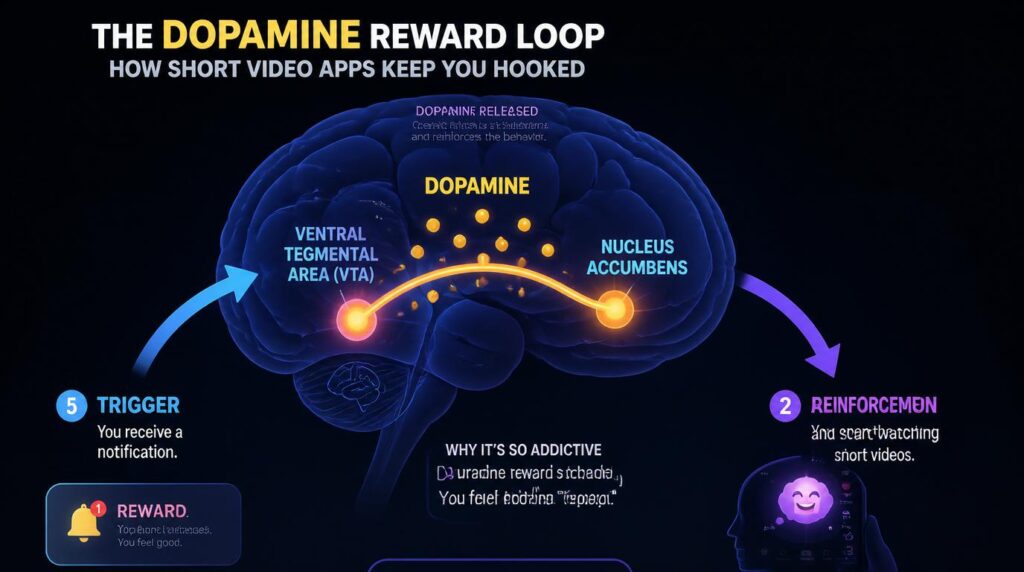
    To understand why short videos are so powerful, we need to understand dopamine.

    Dopamine is often called the brain’s reward chemical.

    Every time you encounter something exciting, funny, surprising, or emotionally stimulating, your brain releases dopamine.

    Short videos are specifically designed to trigger these dopamine spikes repeatedly.

    For example:

    Funny video → dopamine

    Motivational clip → dopamine

    Cute animal video → dopamine

    Shocking fact → dopamine

    Within minutes, your brain experiences dozens of mini rewards.

    As a result, your brain starts craving more stimulation.

    This creates a habit loop:

    Open app

    Watch video

    Get dopamine

    Swipe

    Repeat

    Over the period time, normal activities begin to feel less rewarding because they cannot compete with the constant stimulation of social media.

    The Hidden Productivity Cost

    Most people underestimate how much time they spend on short videos.

    Imagine:

    30 minutes daily scrolling

    7 days a week

    That equals:

    210 minutes weekly

    910 minutes monthly

    Over 180 hours annually

    That’s nearly an entire month of full-time work spent consuming content.

    Now imagine investing those hours into:

    Learning a skill

    Building a business

    Writing a blog

    Exercising

    Reading books

    The opportunity cost is enormous.

    Every hour spent scrolling is an hour not invested in personal growth.

    How Short Videos Affect Memory

    Short-form content doesn’t just impact focus.

    It can also affect information retention.

    Because videos move rapidly from one topic to another, the brain has little time to process information deeply.

    For example:

    You might watch:

    Productivity tips

    Cooking hacks

    Travel clips

    Business advice

    Comedy sketches

    All within 10 minutes.

    While entertaining, very little of that information is retained.

    Deep learning requires:

    Reflection

    Repetition

    Focus

    Short videos often provide none of these.

    The Mental Health Impact

    Excessive short-form content consumption can contribute to:

    https://www.who.int/health-topics/digital-health

    Anxiety

    Constant stimulation keeps the mind active and restless.

    Comparison

    Seeing curated lifestyles can create unrealistic expectations.

    Reduced Satisfaction

    Ordinary life may feel less exciting compared to the endless stream of entertaining content.

    Sleep Problems

    Late-night scrolling can disrupt healthy sleep routines.

    Many users find themselves scrolling long after they intended to stop.

    Signs You May Have a Short-Video Addiction

    You might be experiencing unhealthy consumption habits if:

    You open social media automatically.

    You lose track of time while scrolling.

    Reading feels difficult.

    You check your phone constantly.

    You struggle to focus on work.

    You feel bored without stimulation.

    You scroll before sleeping and after waking up.

    If several of these sound familiar, it may be time to reset your digital habits.

    Nighttime scrolling often contributes to poor sleep quality and reduced focus the next day.

    How to Fix Your Attention Span

    The good news is that attention is trainable.

    https://about.google/

    Just as your brain adapted to short-form content, it can adapt back to deeper focus.

    1. Set Daily Limits

    Most smartphones allow screen-time controls.

    Start by limiting:

    Reels

    Shorts

    TikTok

    to 45-90 minutes daily.

    Gradual reduction works better than quitting suddenly.

    2. Create Phone-Free Zones

    Avoid using your phone:

    During meals

    During study sessions

    In meetings

    One hour before sleep

    These boundaries reduce mindless scrolling.

    3. Read Every Day

    Reading is one of the best ways to rebuild attention span.

    Start with:

    10 pages daily

    Then 20 pages

    Then 30 pages

    Consistency matters more than volume.

    4. Practice Deep Work

    Choose one important task.

    Work on it without distractions for:

    25 minutes

    Then 45 minutes

    Then 60 minutes

    Over time, your concentration improves significantly.

    5. Turn Off Unnecessary Notifications

    Constant notifications can interrupt deep work and increase mental fatigue. To understand the psychological impact, read our guide on Hidden Stress Behind Notifications.

    https://sandeepblogging.com/hidden-stress-behind-notifications/

    Notifications constantly interrupt focus.

    Disable alerts from:

    Social media apps

    Shopping apps

    Entertainment apps

    Keep only essential notifications.

    6. Replace Consumption With Creation

    Instead of spending all your time consuming content, start creating.

    Examples:

    Write blogs

    Create videos

    Learn graphic design

    Build a website

    Learn digital marketing

    Creation develops focus while providing long-term value.

    7. Take Regular Dopamine Detox Breaks

    A dopamine detox doesn’t mean avoiding all pleasure.

    It means reducing excessive stimulation temporarily.

    Try:

    Walking

    Reading

    Journaling

    Meditation

    Exercise

    Even a few hours away from social media can reset your mental state.

    Even short breaks from social media can help reset the brain’s reward system.

    Benefits of Reducing Short-Video Consumption

    Many people notice improvements within a few weeks.

    Common benefits include:

    Better focus

    Increased productivity

    Improved memory

    Better sleep

    Reduced anxiety

    Higher motivation

    More free time

    Greater life satisfaction

    The goal isn’t necessarily to quit social media completely.

    The goal is to use it intentionally rather than compulsively.

    Conclusion

    Short-form videos have transformed how we consume information. While they offer convenience and entertainment, excessive use can gradually weaken attention span, reduce productivity, and make deeper forms of learning feel difficult.

    The solution isn’t necessarily deleting every social media app. Instead, focus on using technology deliberately rather than automatically.

    Small changes—reading more, reducing scrolling, practicing deep work, and creating instead of consuming—can dramatically improve your focus over time.

    Your attention is one of your most valuable assets. Protect it carefully, because where your attention goes, your life follows.

  • Why Our Brain Can’t Focus Anymore in the Age of Social Media

    Why Our Brain Can’t Focus Anymore in the Age of Social Media

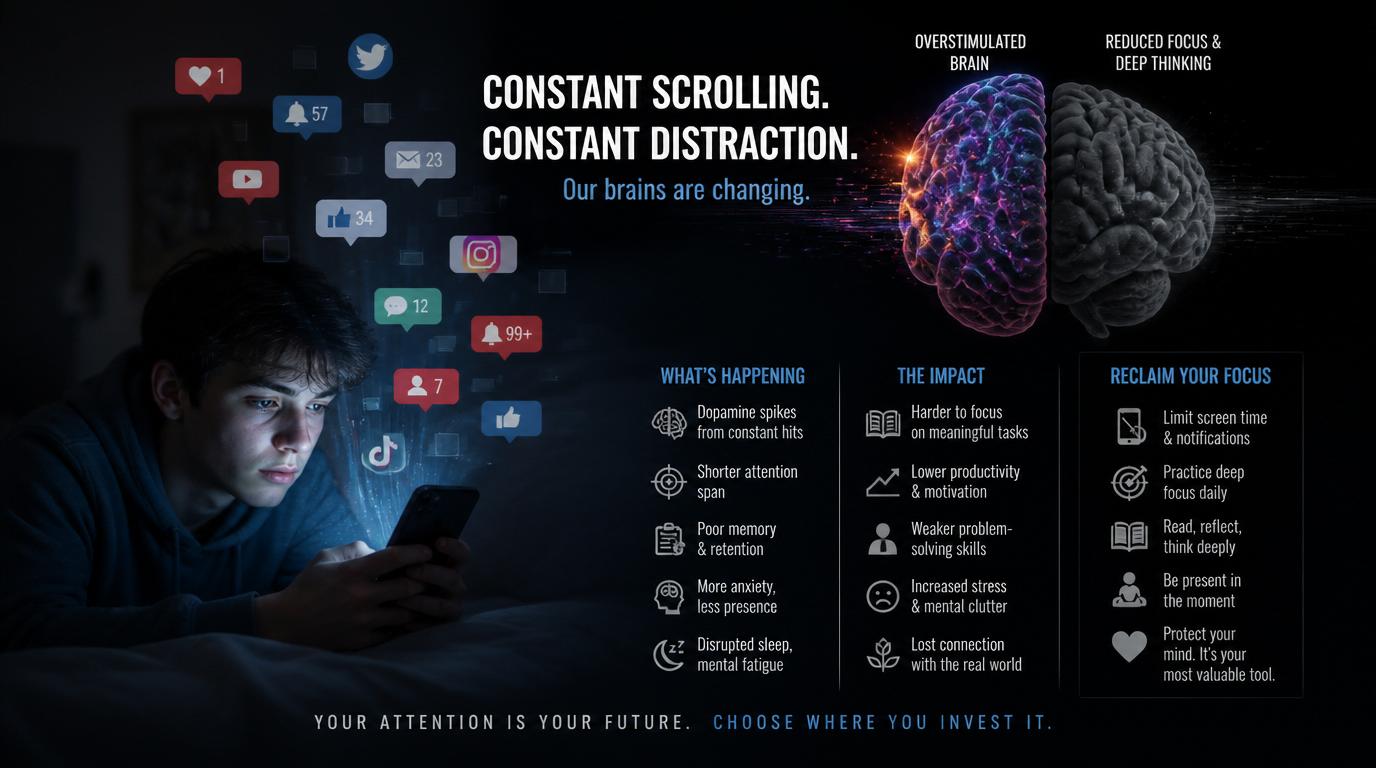
    Constant scrolling and endless notifications are slowly changing the way our brains focus and process information.

    introduction

    Have you noticed how difficult it has become to focus for even a few minutes?

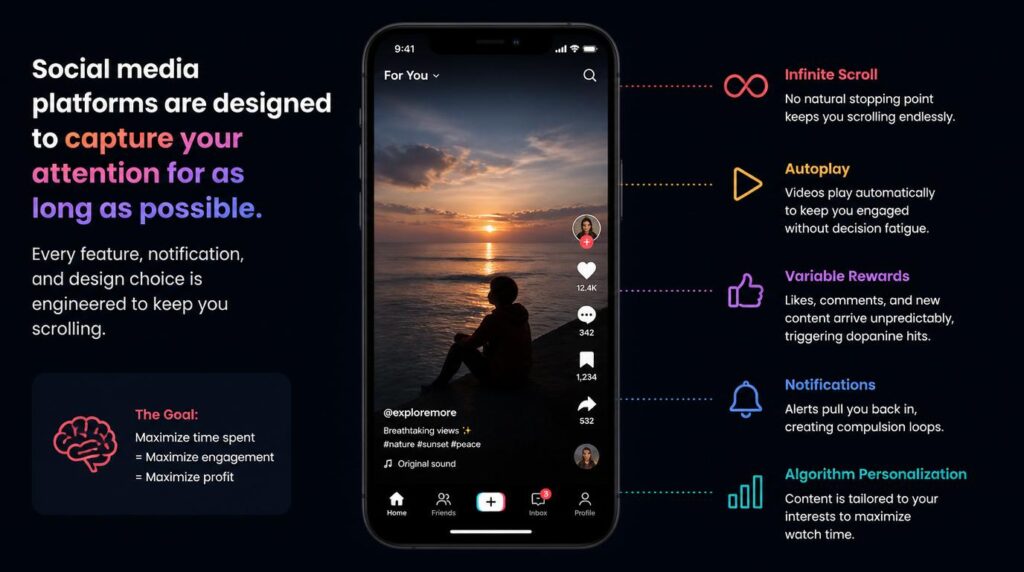
    Modern social media platforms are designed to capture attention for as long as possible.

    Many people sit down to study, work, or read something important, only to find themselves checking notifications moments later. A quick glance at Instagram suddenly turns into 30 minutes of scrolling. One YouTube Short becomes twenty. Even when there’s nothing important to see, our brains keep craving more stimulation.

    This is not happening accidentally.

    Modern social media platforms are designed to capture and hold attention for as long as possible. Every notification, swipe, video, and recommendation trains the brain to constantly seek stimulation. Over time, this changes the way we focus, think, and process information.

    Today, attention has become one of the most valuable resources in the digital world.

    The Attention Economy

    Most social media platforms make money by keeping users online longer. The more time people spend scrolling, the more advertisements they see.

    This means many apps are carefully designed to trigger curiosity and emotional reactions.

    Features like:

    Infinite scrolling

    Push notifications

    Short-form videos

    Auto-play content

    Personalized algorithms

    all work together to keep users engaged continuously.

    Every swipe gives the brain a small dopamine reward. Dopamine is a chemical linked to motivation and pleasure. When people receive likes, comments, messages, or new videos, the brain experiences small bursts of the stimulation

    Over the period of time, the brain begins craving constant novelty.

    That is why silence now feels uncomfortable for many people.

    Why Focus Feels Harder Today

    Deep focus requires calmness, patience, and uninterrupted attention. But modern digital habits train the brain in the opposite direction.

    Instead of concentrating on one task for a long period, people now switch rapidly between apps, videos, chats, and notifications.

    https://www.who.int/health-topics

    This constant task switching exhausts the brain.

    As a result:

    Attention spans become shorter

    Reading long content feels difficult

    Productivity decreases

    Mental fatigue increases

    Boredom becomes harder to tolerate

    Many students and creators feel frustrated because they can no longer focus like they used to. They blame themselves for being lazy or unmotivated.

    But often the real issue is digital overstimulation.

    The Rise of Brain Fog

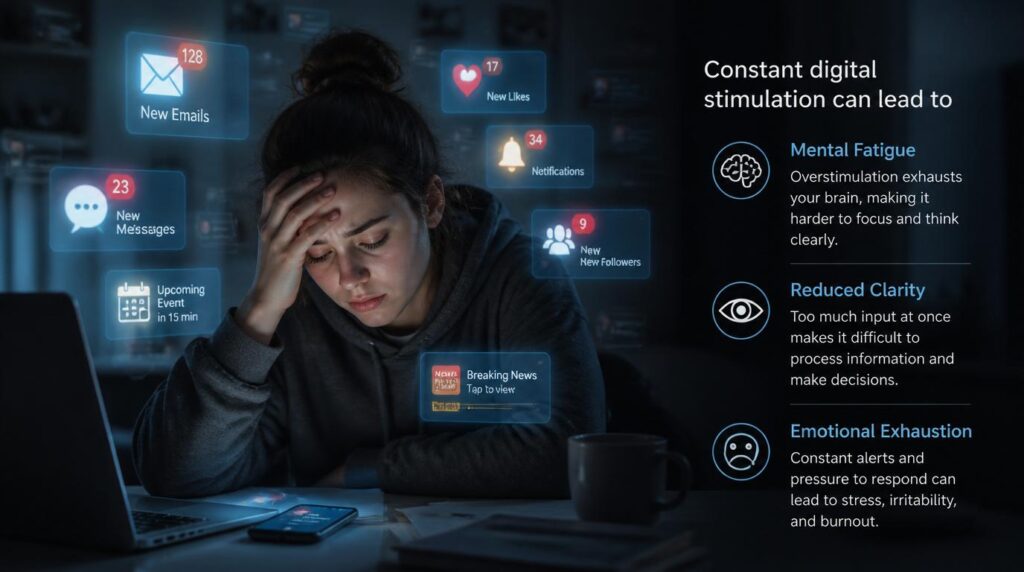
    Constant digital stimulation can lead to mental fatigue, reduced clarity, and emotional exhaustion.

    One major side effect of constant digital stimulation is brain fog.

    Brain fog refers to feelings of mental exhaustion, lack of clarity, forgetfulness, and reduced concentration.

    People experiencing brain fog often feel:

    Tired even after resting

    Unable to think clearly

    Mentally overwhelmed

    Emotionally drained

    Easily distracted

    Social media overload contributes heavily to this problem.

    When the brain never truly rests, mental clarity slowly declines.

    Many people wake up and immediately check their phones. Throughout the day, they consume endless information without giving their minds time to process anything deeply.

    This constant stimulation leaves the brain overloaded.

    Why Short Videos Are Rewiring Attention

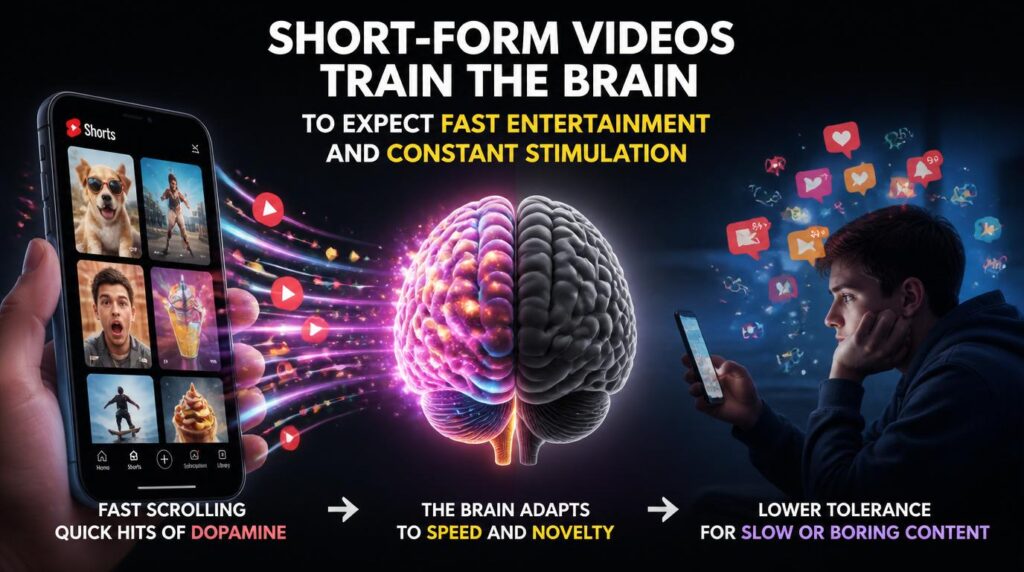
    Short-form videos train the brain to expect fast entertainment and constant stimulation.

    Short-form content platforms like Instagram Reels,Facebook reels , TikTok, and YouTube Shorts are especially powerful because they deliver fast entertainment continuously.

    https://www.psychologytoday.com

    Every few seconds:

    New music

    New emotions

    New visuals

    New stories

    New dopamine triggers

    The brain becomes accustomed to rapid stimulation.

    As a result, slower activities such as studying, reading books, or working on long projects begin to feel boring.

    This doesn’t mean short videos are evil. The problem appears when constant consumption replaces intentional focus.

    Over time, the brain starts expecting instant rewards everywhere.

    The Emotional Cost of Constant Scrolling

    The effects of social media are not limited to focus problems.only

    Many people also experience:

    Anxiety

    Comparison

    Burnout

    Loneliness

    Sleep problems

    Emotional exhaustion

    Social media creates pressure to stay updated constantly. Everyday Notifications make people feel like they must always respond immediately.

    Creators face even more pressure:

    Posting consistently

    Tracking views

    Checking engagement

    Competing for attention

    Behind many successful-looking accounts are exhausted people struggling mentally.

    Why Notifications Are So Addictive

    The Hidden Stress Behind Every Notification

    https://sandeepblogging.com/hidden-stress-behind-notifications/

    Notifications are designed to interrupt attention.

    Every vibration or sound creates curiosity: “Who messaged me?” “Did my post get likes?” “Did someone reply?”

    Even when notifications are unimportant, the brain still reacts automatically.

    This repeated interruption damages deep concentration.

    Many people cannot complete even simple tasks without checking their phones repeatedly.

    The brain slowly loses its ability to stay consistent at present.

    The Importance of Protecting Attention

    https://www.digitalwellnessinstitute.com

    Attention shapes life.

    What people focus on daily eventually shapes:

    Habits

    Thoughts

    Productivity

    Emotions

    Relationships

    Future goals

    That’s why protecting attention has become more important than ever.

    People who control their attention are more likely to:

    Think clearly

    Learn deeply

    Build meaningful skills

    Feel emotionally balanced

    Avoid burnout

    In a world filled with endless distractions, focus has become a superpower.

    How To Improve Focus Naturally

    The good news is that attention can improve again with healthy habits.

    1. Reduce Unnecessary Notifications

    Turn off non-essential notifications. Most alerts are not urgent.

    2. Avoid Doom Scrolling

    Set time limits for social media use.daily

    3. Create Phone-Free Time

    Spend at least 60-90 minutes daily without screens.

    4. Read Long-Form Content

    Books and long articles help rebuild concentration again

    5. Sleep Properly

    Mental recovery is impossible without quality of sleep.

    6. Spend Time Offline

    Walking, exercise,running , meditation, and real conversations help calm the brain.

    7. Practice Deep Work

    Focus on one task at a time without switching constantly.

    Sometimes disconnecting from screens is necessary to reconnect with mental clarity and emotional peace.

    Final Thoughts

    Modern technology is very powerful, but constant digital stimulation comes with hidden costs

    Many people are not losing intelligence or motivation. Their brains are simply overloaded.

    Social media platforms are competing aggressively for human attention, and most people don’t realize how much it affects on mental health and focus.

    Protecting your attention is no longer optional.

    It is necessary for mental clarity, emotional peace, and long-term growth.

    Sometimes the most productive thing you can do is disconnect for a while from social media and allow your mind to breathe again.

    If you feel like your attention span is getting weaker, you’re not alone.

    Modern apps are designed to compete for your focus every second of the day.

    Take breaks. Protect your attention. And remember — your mind deserves silence too.

    If this article helped you, share it with someone struggling with digital burnout and constant scrolling.

    https://www.sandeepblogging.com