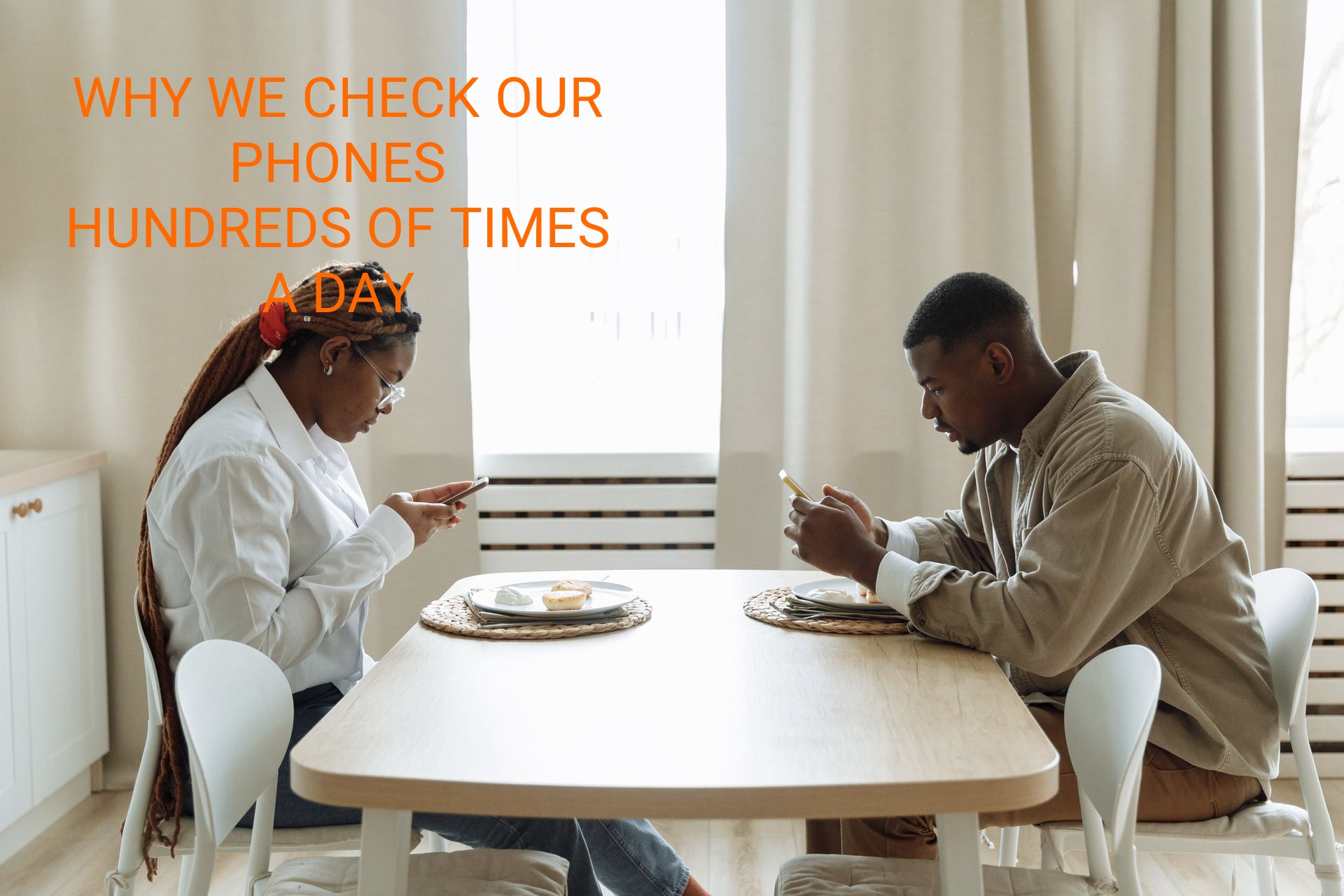
Many people check their phones automatically throughout the day without realizing how often it happens.
Introduction
Have you ever unlocked your phone to check one notification and then found yourself scrolling for ten minutes without realizing it?
You’re not alone.
Many people check their phones dozens or even hundreds of times every day. Sometimes we do it intentionally. Other times it happens automatically, almost like a reflex.
A quick glance at a notification becomes a social media scroll. A short check of messages turns into twenty minutes of browsing videos. Before we know it, our attention has been pulled away from work, study, conversations, and even relaxation.
The surprising part is that most people are not consciously deciding to check their phones so often. Modern apps and devices are designed to capture attention and encourage repeated engagement.
In this article, we’ll explore why we constantly reach for our phones, how notifications and social media influence our behavior, and practical strategies to regain control of our attention.
The Habit Loop Behind Phone Checking
Phone checking often follows a simple habit loop:
1•Trigger
2•Action
3•Reward
A notification appears.
You check your phone.
You receive information, entertainment, or social interaction.
Your brain begins associating phone checking with rewards. Over time, the behavior becomes automatic.
Even when there is no notification, many people continue checking their devices out of habit.
Why Notifications Are So Powerful
Phone notifications causing distractions and reducing focus
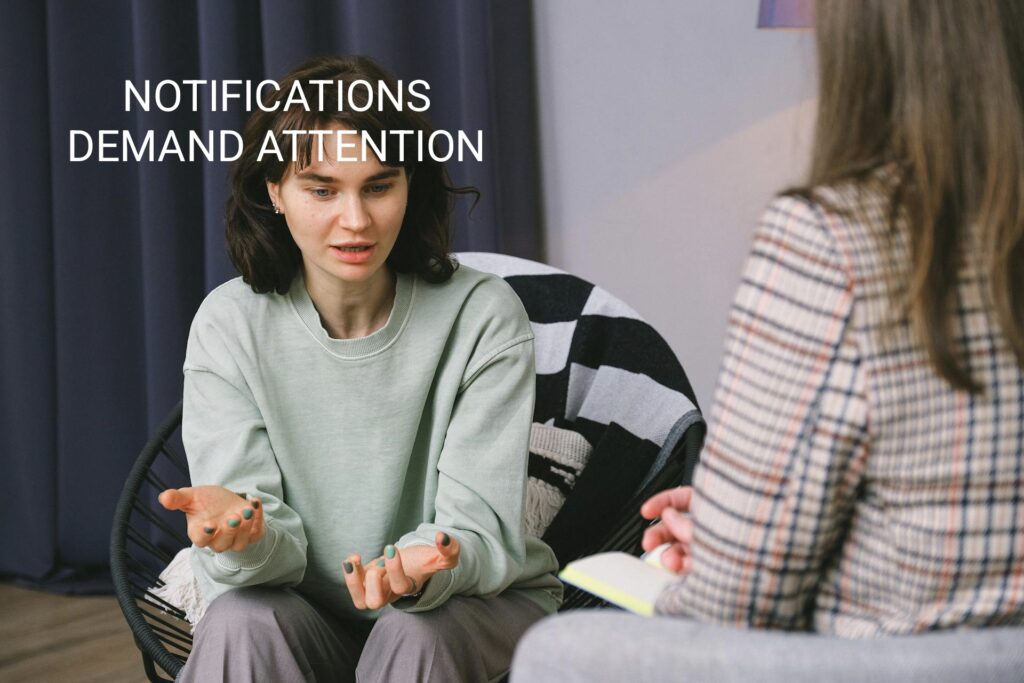
Notifications create curiosity and encourage frequent phone checking, even when the information isn’t important.
Notifications create curiosity.
A message, comment, email, or social media alert signals that something new might be waiting for us.
Because humans naturally seek new information, notifications can feel difficult to ignore.
This constant interruption can reduce focus and make it harder to engage in deep work.
If you haven’t already, read our article on Hidden Stress Behind Notifications to understand how frequent alerts affect mental well-being.
https://sandeepblogging.com/hidden-stress-behind-notifications/
The Role of Social Media
Social media scrolling and attention span problems
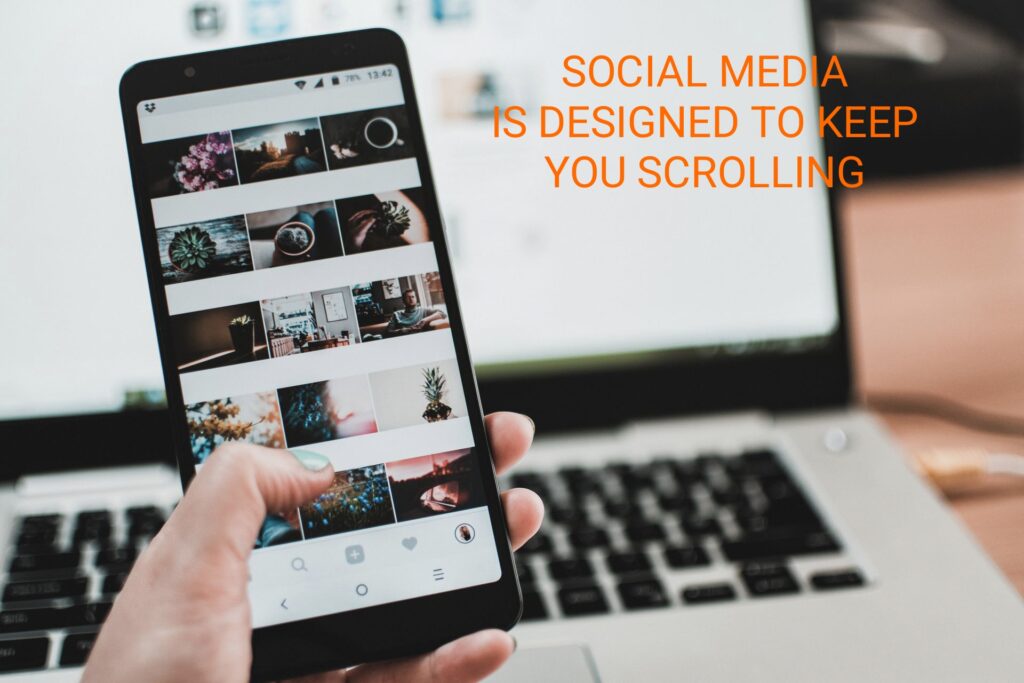
Personalized feeds and endless scrolling features are designed to keep users engaged for longer periods.
Social media platforms compete for attention.
Features such as infinite scrolling, personalized feeds, and recommendations encourage users to spend more time inside apps.
Every swipe presents something new.
That unpredictability keeps users engaged because the next piece of content might be interesting, funny, or rewarding.
This is one reason short-form content can feel so difficult to stop consuming.
You may also enjoy reading Why Short Videos Are Destroying Your Attention Span for a deeper look at this topic.
https://sandeepblogging.com/why-short-videos-are-destroying-your-attention-span/
Why We Reach for Our Phones When We’re Bored
Boredom is uncomfortable for many people.
Whenever we experience a quiet moment, we often look for stimulation.
•Waiting in line.
•Riding public transport.
•Taking a short break.
Instead of allowing our minds to rest, we instinctively reach for our phones.
Over time, this can reduce our tolerance for boredom and make it harder to focus on longer, more demanding tasks.
How Frequent Phone Checking Affects Focus
Improving focus by reducing phone distractions
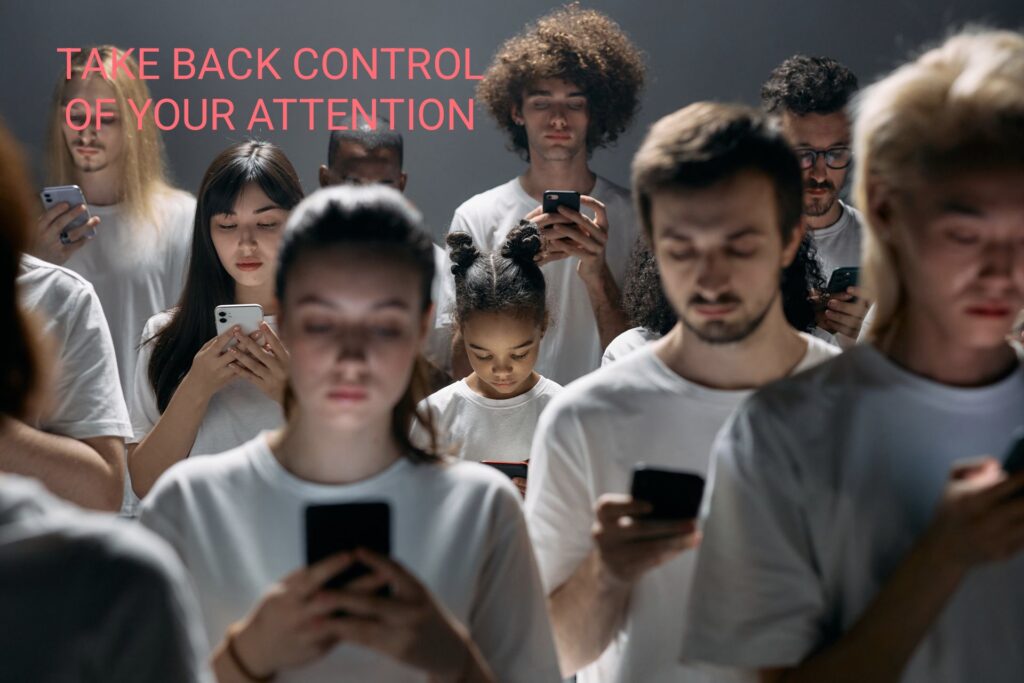
Reducing notifications and creating phone-free periods can help improve focus and productivity.
Every interruption forces the brain to switch attention.
Even a brief phone check can disrupt concentration.
Research suggests that returning to a task after an interruption often takes longer than people expect.
This is one reason multitasking feels productive but often reduces performance.
For more on this topic, see Why Multitasking Doesn’t Work (And What To Do Instead).
https://sandeepblogging.com/why-multitasking-doesnt-work/
The Connection Between Phones and Mental Fatigue
Constant connectivity creates mental load.
•Messages.
•Notifications.
•Updates.
•Emails.
•News alerts.
Each demand for attention requires mental energy.
When these interruptions occur throughout the day, many people experience reduced concentration and increased fatigue.
Practical Ways to Check Your Phone Less
1. Disable Non-Essential Notifications
Turn off alerts that do not require immediate attention.
2. Create Phone-Free Work Sessions
Work for 30–60 minutes without checking your device.
3. Keep Your Phone Out of Reach
Physical distance reduces temptation.
4. Remove Distracting Apps From the Home Screen
Make distractions less accessible.
Leave a Reply
You must be logged in to post a comment.