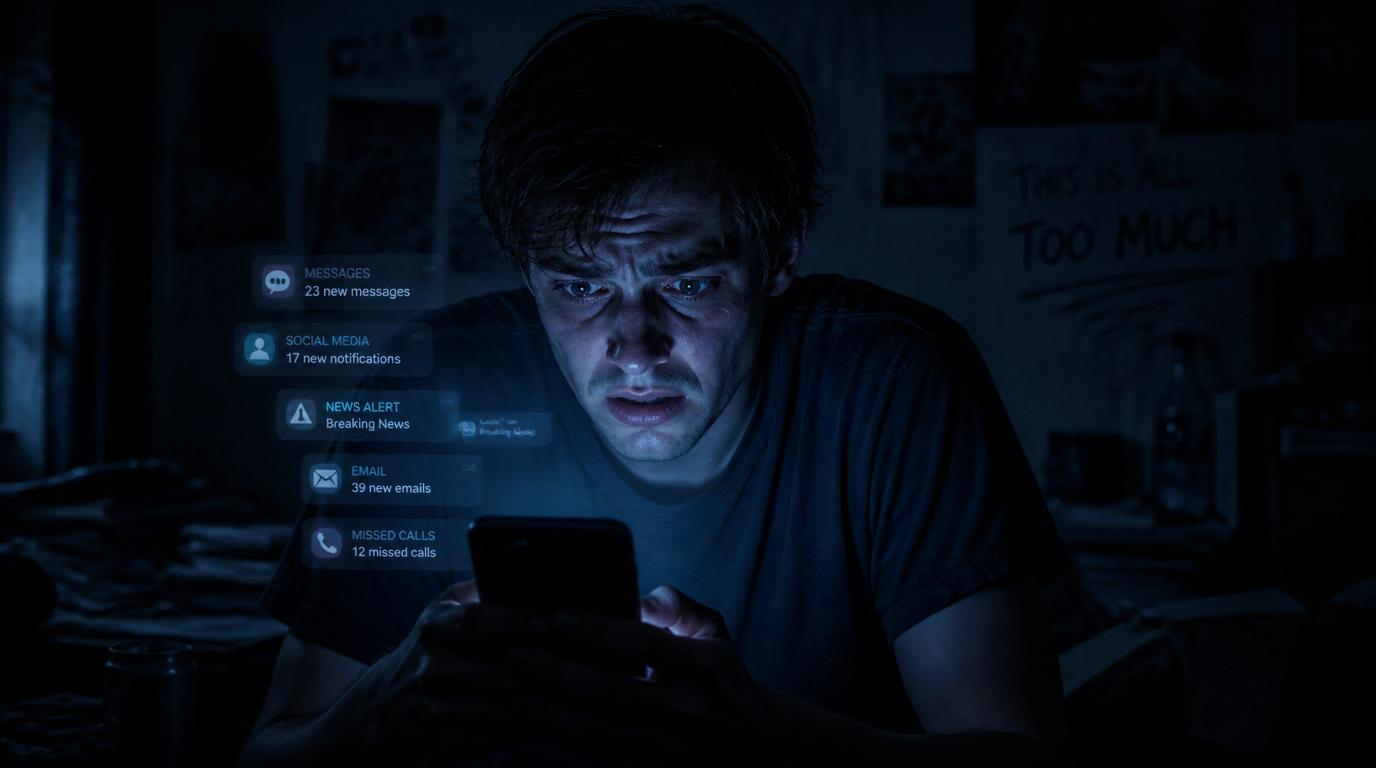
Constant notifications are silently increasing stress, anxiety, and digital burnout in modern life.
Introduction
In 2026, most people begin and end their day with notifications.
A vibrating phone, and a social media alert, a message notification, a new email, a comment, or a trending update has become part of daily life. What once felt exciting now feels mentally exhausting for millions of people around the world.
The modern internet never truly rests. Social media platforms compete aggressively for human attention every second. Instagram wants engagement. YouTube wants retention. TikTok wants endless scrolling.mental exhaustion from social media, Messaging apps demand instant replies. Notifications constantly interrupt peace, focus, and emotional balance.in human life
Many people no longer feel relaxed when using social media. Instead, they feel pressure, anxiety, distraction, and emotional fatigue.
Behind every notification is a silent demand for attention.
And over time, this digital overload slowly affects mental health, productivity, creativity, sleep quality, and emotional stability.
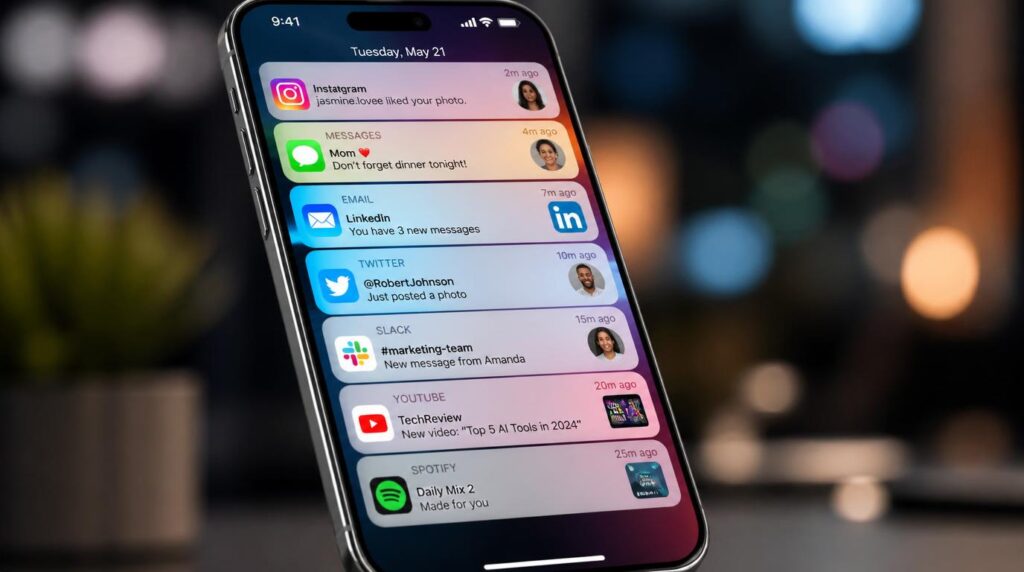
Social media notifications constantly compete for human attention.
Why Notifications Feel So Addictive in Human life
Social media notifications are designed to trigger curiosity and emotional reactions.
Every notification creates anticipation in the brain:
•Who messaged me?
•Did my post go viral?
•Did someone reply?
•Did I miss something important?
These small moments activate dopamine, the chemical connected to reward and excitement.
That is why many people unconsciously check their phones hundreds of times every day.
Notifications create short emotional rewards, but repeated stimulation slowly trains the brain to constantly seek attention and validation.
This is one of the reason social media can feel mentally addictive.
The problem is not technology itself. The problem is the nonstop psychological pressure created by constant digital interruptions.
The Hidden Psychological Pressure of Being Always Online
One of the biggest problems in modern digital life is the pressure to stay constantly connected.
People feel uncomfortable when they:
•miss notifications
•reply late
•stop posting
•disconnect from social media
•disappear online
•social media stress
This creates a dangerous cycle where silence begins to feel unnatural.
Many users now experience:
•notification anxiety
•fear of missing out (FOMO)
•comparison stress
•mental exhaustion
•reduced attention span
For content creators, influencers, freelancers, and digital workers, this pressure becomes even stronger.
According to the World Health Organization, mental health challenges are increasing globally
Every notification can affect:
•income
•engagement
•opportunities
•visibility
•self-confidence
•digital wellness
Over time, online pressure slowly turns into emotional burnout.
Why Social Media Feels Mentally Draining

Endless scrolling and digital overload are affecting mental health worldwide.
The human brain was never designed for constant stimulation.
Today, people consume more information in one day than previous generations consumed in weeks.
Social media creates:
•endless scrolling
•constant comparison
•nonstop entertainment
•information overload
The brain rarely gets true rest anymore.
This is why many people feel:
•mentally tired
•emotionally distracted
•unable to focus deeply
•overwhelmed without understanding why
Even during rest, people continue checking phones automatically.
This constant stimulation reduces mental clarity and increases emotional fatigue.
The Emotional Cost of Notifications
Notifications are not only distractions. They also affect emotions.
For example:
•low engagement creates insecurity
•ignored messages create anxiety
•comparison damages confidence
•online criticism increases stress
People often compare their real lives with other people’s edited highlights.
As a result, social media can slowly create:
•loneliness
•low self-esteem
•burnout
•emotional dependency on validation
The most dangerous part is that many people normalize this stress without realizing its impact.
Content Creators Face Even Greater Pressure
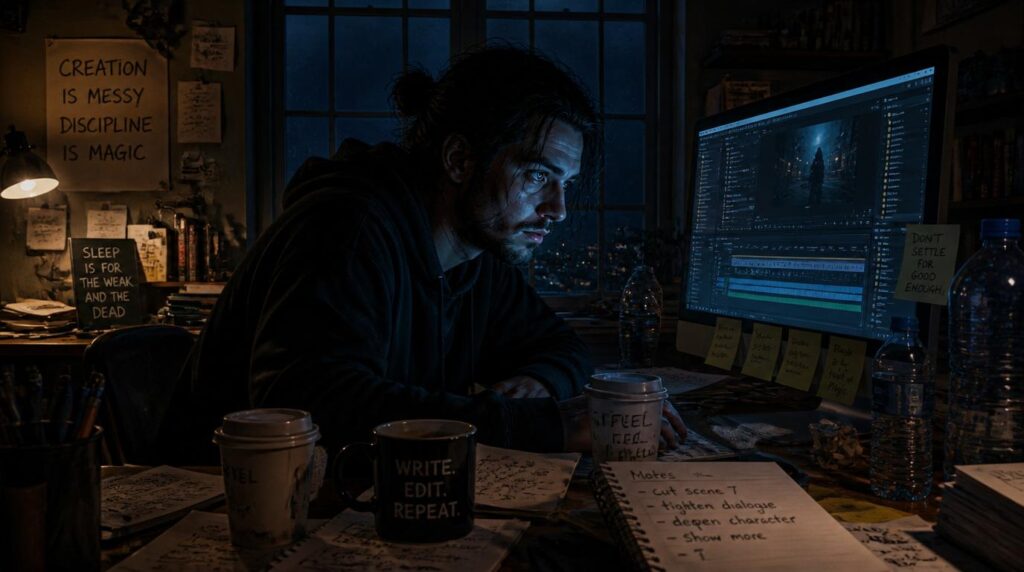
Many creators silently struggle with pressure, burnout, and emotional exhaustion.
For creators, notifications become deeply connected to personal identity.
Views, comments, followers, shares, and engagement often begin to feel like emotional measurements of success.
Many creators silently struggle with:
•pressure to stay relevant
•fear of declining views
•burnout from constant posting
•lack of rest
•creative exhaustion
Audiences usually see:
•uploads
•edits
•viral moments
•polished content
But they rarely see:
•sleepless nights
•self-doubt
•mental pressure
•emotional exhaustion
One bad month online can destroy motivation for weeks.
This is why creator burnout has become increasingly common in 2026.
The Link Between Notifications and Anxiety
Studies and digital behavior trends continue showing strong links between excessive notifications and stress levels.
https://www.digitalwellnessinstitute.com
Constant interruptions affect:
•focus
•productivity
•emotional regulation
•sleep quality
Every notification forces the brain to switch attention repeatedly.
This weakens concentration and increases mental fatigue throughout the day.
Many people now struggle to:
•read deeply
•focus on long tasks
•enjoy silence
•stay present offline
The brain becomes conditioned to constant stimulation.
As a result, peace begins to feel unfamiliar.
How Notifications Affect Sleep and Mental Recovery
One major issue is nighttime phone usage.
People often:
•check notifications before sleeping
•wake up to check phones
•respond to messages late at night
This reduces sleep quality significantly.
Blue light, emotional stimulation, and digital stress prevent the brain from relaxing properly.
Poor sleep then increases:
•anxiety
•mood swings
•exhaustion
•low productivity
Without proper mental recovery, digital burnout becomes much worse.
How To Reduce Notification Stress
Social media is now part of modern life, but balance is still possible.
Here are practical ways to reduce digital exhaustion:
1. Disable Non-Essential Notifications
Not every app deserves immediate attention.
Turn off:
•unnecessary alerts
•promotional notifications
•random updates
This reduces mental interruptions instantly.
2. Create Phone-Free Time
Spend at least:
•30 minutes after waking up
•1 hour before sleep
without checking social media.
This improves mental clarity and emotional calmness.
3. Stop Measuring Self-Worth Through Engagement
Likes, views, and comments should never define personal value.
Algorithms change constantly.
Mental peace matters more than numbers.
4. Take Regular Social Media Breaks
Even short breaks help reduce:
•anxiety
•comparison
•emotional overload
Silence is healthy for the brain.
5. Prioritize Real-Life Recovery
Good sleep, exercise, sunlight, conversations, and offline hobbies help restore mental energy.
Real recovery cannot happen through endless scrolling.
Final Thoughts
Social media notifications may seem small, but their psychological impact is enormous.
Constant alerts slowly train the brain to stay distracted, emotionally reactive, and mentally exhausted.
The internet rewards attention, consistency, and nonstop activity. But human beings still need rest, silence, and emotional balance.
Technology should improve life — not control it.
Sometimes the healthiest thing a person can do is disconnect for a while and protect their peace of mind.
Because behind every notification is a silent demand for your attention.
And attention is one of the most valuable things you own.
Follow For More such Creative Ideas:
Leave a Reply
You must be logged in to post a comment.