Tag: digital burnout

  • Why Our Brain Can’t Focus Anymore in the Age of Social Media

    Why Our Brain Can’t Focus Anymore in the Age of Social Media

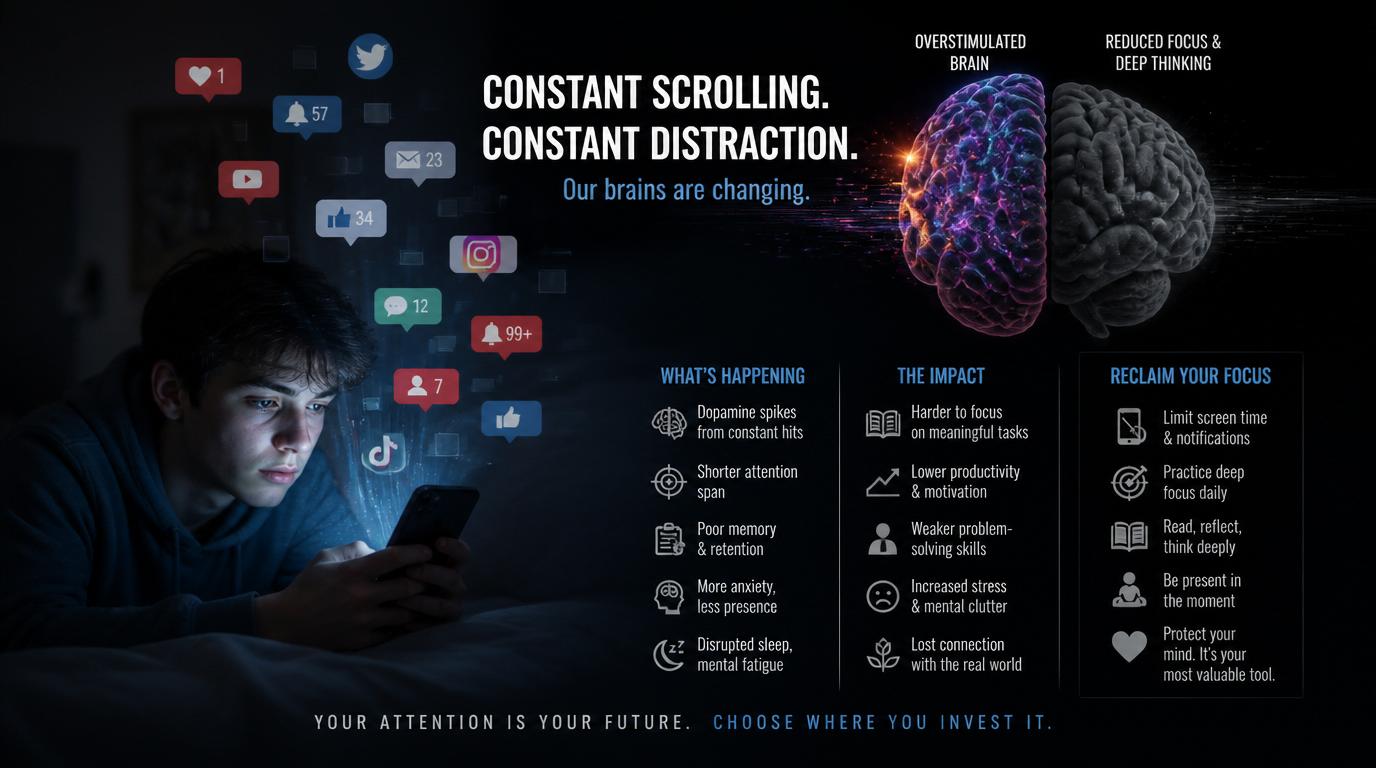
    Constant scrolling and endless notifications are slowly changing the way our brains focus and process information.

    introduction

    Have you noticed how difficult it has become to focus for even a few minutes?
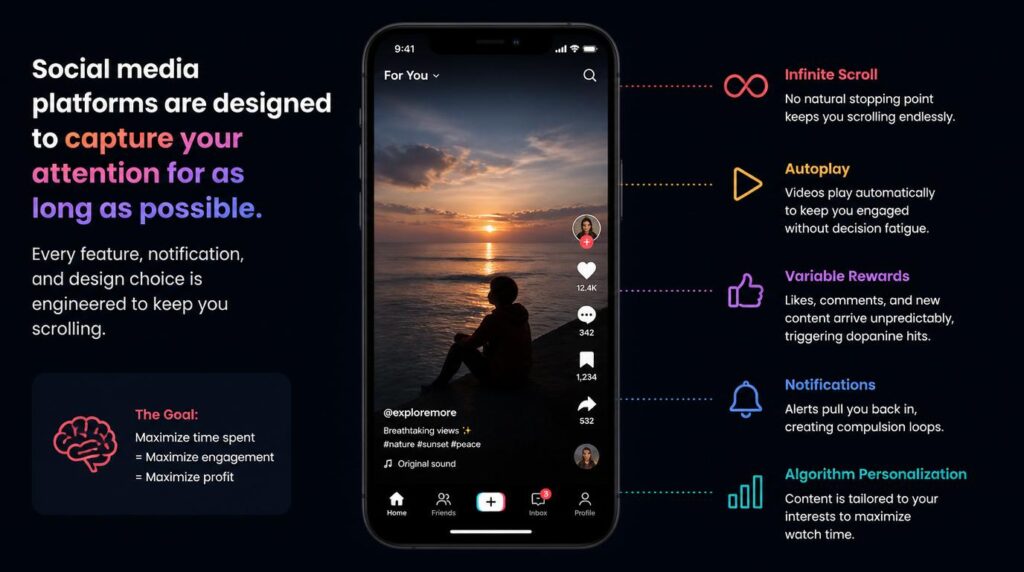
    Modern social media platforms are designed to capture attention for as long as possible.

    Many people sit down to study, work, or read something important, only to find themselves checking notifications moments later. A quick glance at Instagram suddenly turns into 30 minutes of scrolling. One YouTube Short becomes twenty. Even when there’s nothing important to see, our brains keep craving more stimulation.

    This is not happening accidentally.

    Modern social media platforms are designed to capture and hold attention for as long as possible. Every notification, swipe, video, and recommendation trains the brain to constantly seek stimulation. Over time, this changes the way we focus, think, and process information.

    Today, attention has become one of the most valuable resources in the digital world.

    The Attention Economy

    Most social media platforms make money by keeping users online longer. The more time people spend scrolling, the more advertisements they see.

    This means many apps are carefully designed to trigger curiosity and emotional reactions.

    Features like:

    Infinite scrolling

    Push notifications

    Short-form videos

    Auto-play content

    Personalized algorithms

    all work together to keep users engaged continuously.

    Every swipe gives the brain a small dopamine reward. Dopamine is a chemical linked to motivation and pleasure. When people receive likes, comments, messages, or new videos, the brain experiences small bursts of the stimulation

    Over the period of time, the brain begins craving constant novelty.

    That is why silence now feels uncomfortable for many people.

    Why Focus Feels Harder Today

    Deep focus requires calmness, patience, and uninterrupted attention. But modern digital habits train the brain in the opposite direction.

    Instead of concentrating on one task for a long period, people now switch rapidly between apps, videos, chats, and notifications.

    https://www.who.int/health-topics

    This constant task switching exhausts the brain.

    As a result:

    Attention spans become shorter

    Reading long content feels difficult

    Productivity decreases

    Mental fatigue increases

    Boredom becomes harder to tolerate

    Many students and creators feel frustrated because they can no longer focus like they used to. They blame themselves for being lazy or unmotivated.

    But often the real issue is digital overstimulation.

    The Rise of Brain Fog
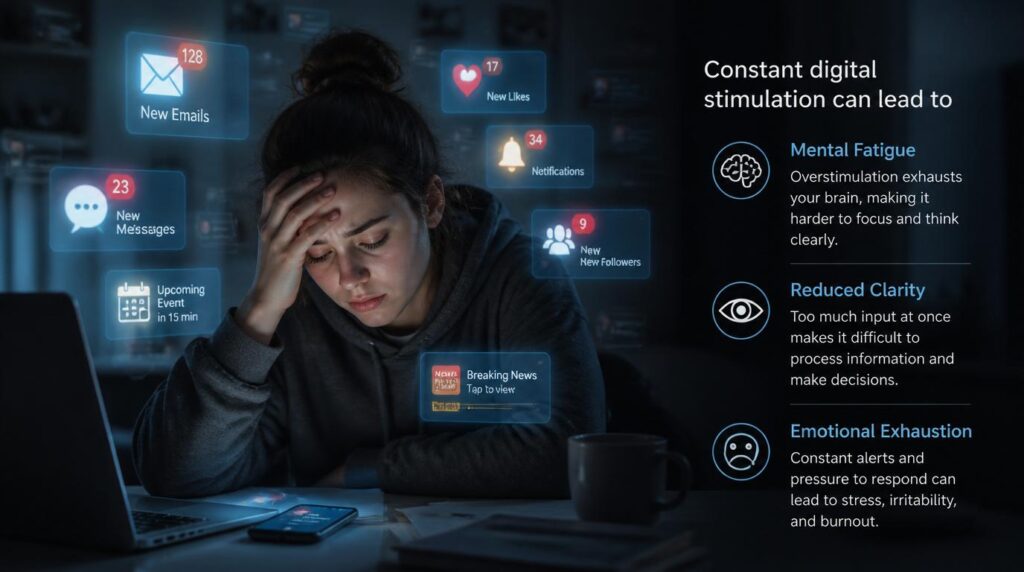
    Constant digital stimulation can lead to mental fatigue, reduced clarity, and emotional exhaustion.

    One major side effect of constant digital stimulation is brain fog.

    Brain fog refers to feelings of mental exhaustion, lack of clarity, forgetfulness, and reduced concentration.

    People experiencing brain fog often feel:

    Tired even after resting

    Unable to think clearly

    Mentally overwhelmed

    Emotionally drained

    Easily distracted

    Social media overload contributes heavily to this problem.

    When the brain never truly rests, mental clarity slowly declines.

    Many people wake up and immediately check their phones. Throughout the day, they consume endless information without giving their minds time to process anything deeply.

    This constant stimulation leaves the brain overloaded.

    Why Short Videos Are Rewiring Attention
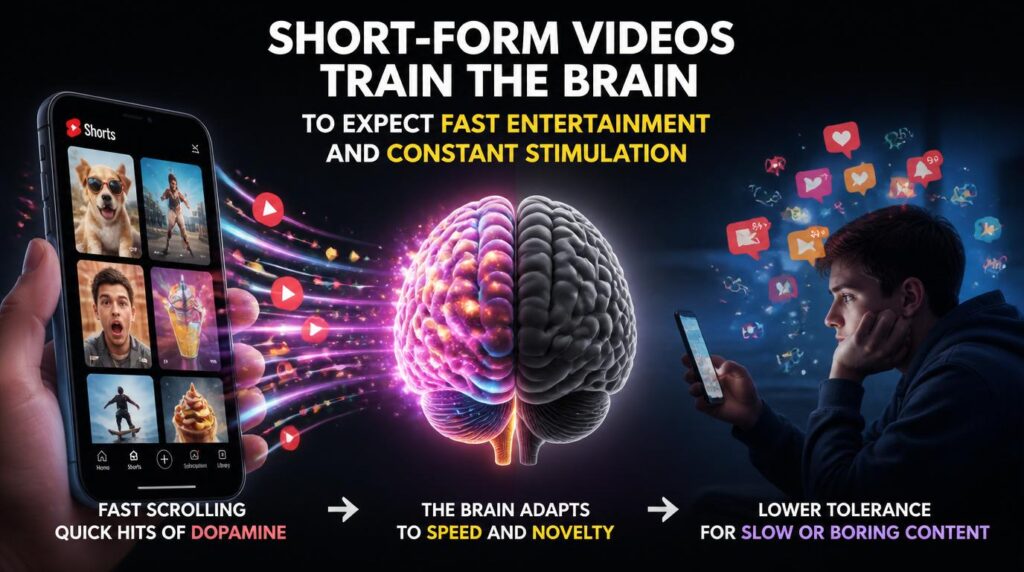
    Short-form videos train the brain to expect fast entertainment and constant stimulation.

    Short-form content platforms like Instagram Reels,Facebook reels , TikTok, and YouTube Shorts are especially powerful because they deliver fast entertainment continuously.

    https://www.psychologytoday.com

    Every few seconds:

    New music

    New emotions

    New visuals

    New stories

    New dopamine triggers

    The brain becomes accustomed to rapid stimulation.

    As a result, slower activities such as studying, reading books, or working on long projects begin to feel boring.

    This doesn’t mean short videos are evil. The problem appears when constant consumption replaces intentional focus.

    Over time, the brain starts expecting instant rewards everywhere.

    The Emotional Cost of Constant Scrolling

    The effects of social media are not limited to focus problems.only

    Many people also experience:

    Anxiety

    Comparison

    Burnout

    Loneliness

    Sleep problems

    Emotional exhaustion

    Social media creates pressure to stay updated constantly. Everyday Notifications make people feel like they must always respond immediately.

    Creators face even more pressure:

    Posting consistently

    Tracking views

    Checking engagement

    Competing for attention

    Behind many successful-looking accounts are exhausted people struggling mentally.

    Why Notifications Are So Addictive

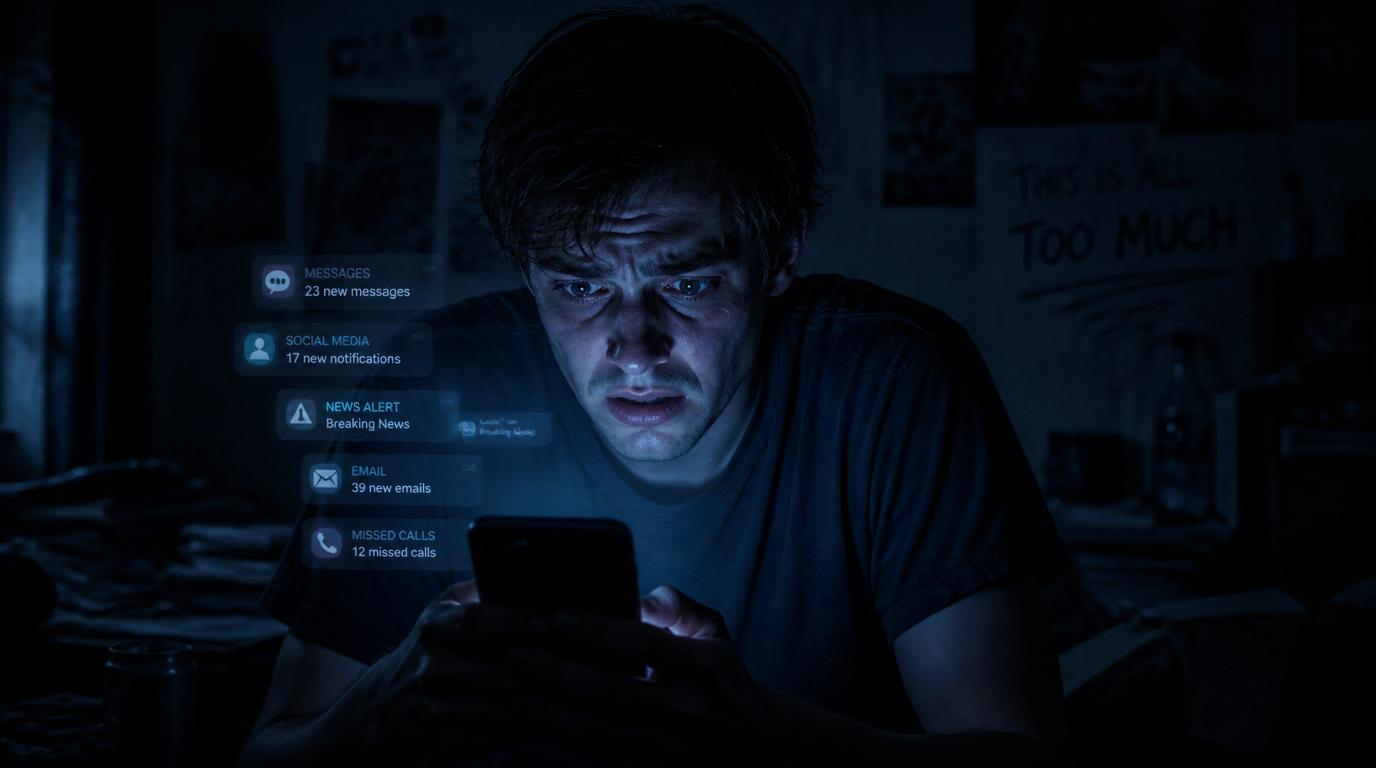
    The Hidden Stress Behind Every Notification

    https://sandeepblogging.com/hidden-stress-behind-notifications/

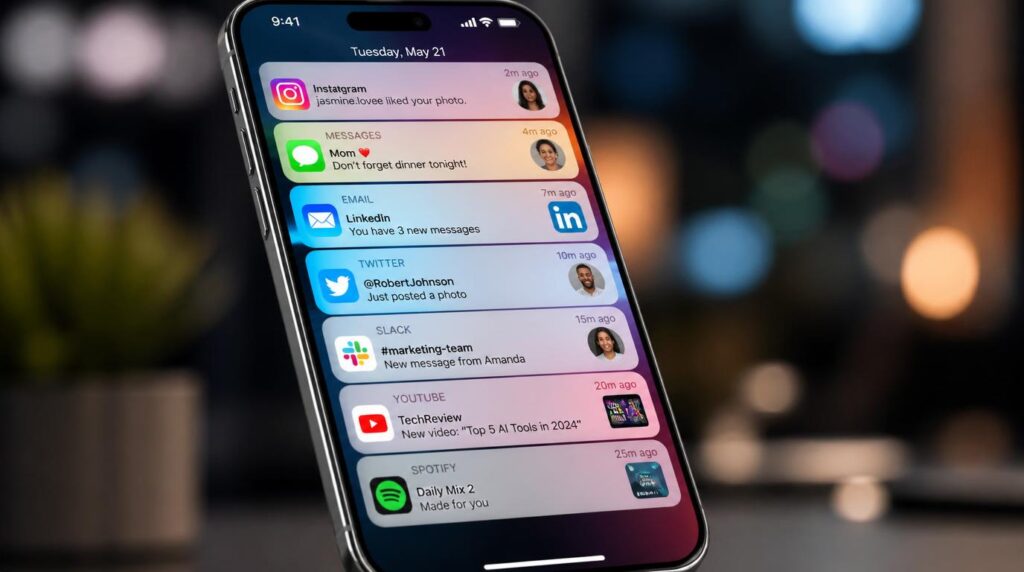
    Notifications are designed to interrupt attention.

    Every vibration or sound creates curiosity: “Who messaged me?” “Did my post get likes?” “Did someone reply?”

    Even when notifications are unimportant, the brain still reacts automatically.

    This repeated interruption damages deep concentration.

    Many people cannot complete even simple tasks without checking their phones repeatedly.

    The brain slowly loses its ability to stay consistent at present.

    The Importance of Protecting Attention

    https://www.digitalwellnessinstitute.com

    Attention shapes life.

    What people focus on daily eventually shapes:

    Habits

    Thoughts

    Productivity

    Emotions

    Relationships

    Future goals

    That’s why protecting attention has become more important than ever.

    People who control their attention are more likely to:

    Think clearly

    Learn deeply

    Build meaningful skills

    Feel emotionally balanced

    Avoid burnout

    In a world filled with endless distractions, focus has become a superpower.

    How To Improve Focus Naturally

    The good news is that attention can improve again with healthy habits.

    1. Reduce Unnecessary Notifications

    Turn off non-essential notifications. Most alerts are not urgent.

    2. Avoid Doom Scrolling

    Set time limits for social media use.daily

    3. Create Phone-Free Time

    Spend at least 60-90 minutes daily without screens.

    4. Read Long-Form Content

    Books and long articles help rebuild concentration again

    5. Sleep Properly

    Mental recovery is impossible without quality of sleep.

    6. Spend Time Offline

    Walking, exercise,running , meditation, and real conversations help calm the brain.

    7. Practice Deep Work

    Focus on one task at a time without switching constantly.

    Sometimes disconnecting from screens is necessary to reconnect with mental clarity and emotional peace.

    Final Thoughts

    Modern technology is very powerful, but constant digital stimulation comes with hidden costs

    Many people are not losing intelligence or motivation. Their brains are simply overloaded.

    Social media platforms are competing aggressively for human attention, and most people don’t realize how much it affects on mental health and focus.

    Protecting your attention is no longer optional.

    It is necessary for mental clarity, emotional peace, and long-term growth.

    Sometimes the most productive thing you can do is disconnect for a while from social media and allow your mind to breathe again.

    If you feel like your attention span is getting weaker, you’re not alone.

    Modern apps are designed to compete for your focus every second of the day.

    Take breaks. Protect your attention. And remember — your mind deserves silence too.

    If this article helped you, share it with someone struggling with digital burnout and constant scrolling.
    https://www.sandeepblogging.com

  • The Hidden Stress Behind Every Notification: Why Social Media Notifications Are Mentally Exhausting in 2026

    The Hidden Stress Behind Every Notification: Why Social Media Notifications Are Mentally Exhausting in 2026

    Constant notifications are silently increasing stress, anxiety, and digital burnout in modern life.

    Introduction

    In 2026, most people begin and end their day with notifications.

    A vibrating phone, and a social media alert, a message notification, a new email, a comment, or a trending update has become part of daily life. What once felt exciting now feels mentally exhausting for millions of people around the world.

    The modern internet never truly rests. Social media platforms compete aggressively for human attention every second. Instagram wants engagement. YouTube wants retention. TikTok wants endless scrolling.mental exhaustion from social media, Messaging apps demand instant replies. Notifications constantly interrupt peace, focus, and emotional balance.in human life

    Many people no longer feel relaxed when using social media. Instead, they feel pressure, anxiety, distraction, and emotional fatigue.

    Behind every notification is a silent demand for attention.

    And over time, this digital overload slowly affects mental health, productivity, creativity, sleep quality, and emotional stability.

    Social media notifications constantly compete for human attention.

    Why Notifications Feel So Addictive in Human life

    Social media notifications are designed to trigger curiosity and emotional reactions.

    Every notification creates anticipation in the brain:

    Who messaged me?

    Did my post go viral?

    Did someone reply?

    Did I miss something important?

    These small moments activate dopamine, the chemical connected to reward and excitement.

    That is why many people unconsciously check their phones hundreds of times every day.

    Notifications create short emotional rewards, but repeated stimulation slowly trains the brain to constantly seek attention and validation.

    This is one of the reason social media can feel mentally addictive.

    The problem is not technology itself. The problem is the nonstop psychological pressure created by constant digital interruptions.

    The Hidden Psychological Pressure of Being Always Online

    One of the biggest problems in modern digital life is the pressure to stay constantly connected.

    People feel uncomfortable when they:

    •miss notifications

    •reply late

    •stop posting

    •disconnect from social media

    •disappear online

    social media stress

    This creates a dangerous cycle where silence begins to feel unnatural.

    Many users now experience:

    notification anxiety

    fear of missing out (FOMO)

    comparison stress

    mental exhaustion

    reduced attention span

    For content creators, influencers, freelancers, and digital workers, this pressure becomes even stronger.

    According to the World Health Organization, mental health challenges are increasing globally

    https://www.who.int

    Every notification can affect:

    income

    engagement

    opportunities

    visibility

    self-confidence

    digital wellness

    Over time, online pressure slowly turns into emotional burnout.

    Why Social Media Feels Mentally Draining

    Endless scrolling and digital overload are affecting mental health worldwide.

    The human brain was never designed for constant stimulation.

    Today, people consume more information in one day than previous generations consumed in weeks.

    Social media creates:

    endless scrolling

    constant comparison

    nonstop entertainment

    information overload

    The brain rarely gets true rest anymore.

    This is why many people feel:

    mentally tired

    emotionally distracted

    unable to focus deeply

    overwhelmed without understanding why

    Even during rest, people continue checking phones automatically.

    This constant stimulation reduces mental clarity and increases emotional fatigue.

    The Emotional Cost of Notifications

    Notifications are not only distractions. They also affect emotions.

    For example:

    low engagement creates insecurity

    •ignored messages create anxiety

    comparison damages confidence

    online criticism increases stress

    People often compare their real lives with other people’s edited highlights.

    As a result, social media can slowly create:

    loneliness

    low self-esteem

    burnout

    emotional dependency on validation

    The most dangerous part is that many people normalize this stress without realizing its impact.

    Content Creators Face Even Greater Pressure

    Many creators silently struggle with pressure, burnout, and emotional exhaustion.

    For creators, notifications become deeply connected to personal identity.

    Views, comments, followers, shares, and engagement often begin to feel like emotional measurements of success.

    Many creators silently struggle with:

    pressure to stay relevant

    fear of declining views

    burnout from constant posting

    lack of rest

    creative exhaustion

    Audiences usually see:

    uploads

    edits

    viral moments

    polished content

    But they rarely see:

    sleepless nights

    self-doubt

    mental pressure

    emotional exhaustion

    One bad month online can destroy motivation for weeks.

    This is why creator burnout has become increasingly common in 2026.

    The Link Between Notifications and Anxiety

    Studies and digital behavior trends continue showing strong links between excessive notifications and stress levels.

    https://www.digitalwellnessinstitute.com

    Constant interruptions affect:

    focus

    productivity

    emotional regulation

    sleep quality

    Every notification forces the brain to switch attention repeatedly.

    This weakens concentration and increases mental fatigue throughout the day.

    Many people now struggle to:

    read deeply

    focus on long tasks

    enjoy silence

    stay present offline

    The brain becomes conditioned to constant stimulation.

    As a result, peace begins to feel unfamiliar.

    How Notifications Affect Sleep and Mental Recovery

    One major issue is nighttime phone usage.

    People often:

    check notifications before sleeping

    wake up to check phones

    respond to messages late at night

    This reduces sleep quality significantly.

    Blue light, emotional stimulation, and digital stress prevent the brain from relaxing properly.

    Poor sleep then increases:

    anxiety

    mood swings

    exhaustion

    low productivity

    Without proper mental recovery, digital burnout becomes much worse.

    How To Reduce Notification Stress

    Social media is now part of modern life, but balance is still possible.

    Here are practical ways to reduce digital exhaustion:

    1. Disable Non-Essential Notifications

    Not every app deserves immediate attention.

    Turn off:

    unnecessary alerts

    promotional notifications

    random updates

    This reduces mental interruptions instantly.

    2. Create Phone-Free Time

    Spend at least:

    30 minutes after waking up

    1 hour before sleep

    without checking social media.

    This improves mental clarity and emotional calmness.

    3. Stop Measuring Self-Worth Through Engagement

    Likes, views, and comments should never define personal value.

    Algorithms change constantly.

    Mental peace matters more than numbers.

    4. Take Regular Social Media Breaks

    Even short breaks help reduce:

    anxiety

    comparison

    emotional overload

    Silence is healthy for the brain.

    5. Prioritize Real-Life Recovery

    Good sleep, exercise, sunlight, conversations, and offline hobbies help restore mental energy.

    Real recovery cannot happen through endless scrolling.

    Final Thoughts

    Social media notifications may seem small, but their psychological impact is enormous.

    Constant alerts slowly train the brain to stay distracted, emotionally reactive, and mentally exhausted.

    The internet rewards attention, consistency, and nonstop activity. But human beings still need rest, silence, and emotional balance.

    Technology should improve life — not control it.

    Sometimes the healthiest thing a person can do is disconnect for a while and protect their peace of mind.

    Because behind every notification is a silent demand for your attention.

    And attention is one of the most valuable things you own.

    Follow For More such Creative Ideas:

    https://www.sandeepblogging.com