Tag: Productivity

  • Discipline vs Motivation: What Actually Creates Long-Term Success?

    Discipline vs Motivation: What Actually Creates Long-Term Success?

    Motivation helps you start. Discipline helps you continue.

    Introduction

    Almost everyone wants to become more successful, productive, healthier, or financially stronger.

    When we feel inspired, we often say things like:

    •“I’ll wake up early from tomorrow.”

    •“I’ll work on my goals every day.”

    •I’ll stop wasting time.”

    •“I’ll stay consistent this time.”

    For a few days, everything goes well.

    Then motivation fades.

    This is where many people start asking an important question:like Discipline vs Motivation

    What is more important for success: motivation or discipline?What is more important for success: motivation or discipline?

    Social media usually glorifies motivation. We see

    energetic speeches, inspirational quotes, and videos that make us feel ready to change our lives instantly.

    But long-term success is rarely built on temporary emotions.

    Successful students, professionals, athletes, entrepreneurs, and creators often rely less on motivation and more on discipline.

    In this article, we’ll explore the real difference between discipline and motivation, why people confuse them, and which one actually creates lasting results.

    Why People Confuse over Discipline and Motivation

    At first glance, they seem similar because both can make you take action.

    But they come from different sources.

    Motivation. Vs Discipline

    •Emotional. •Behavioral

    •Temporary. •Consistent

    •Depends on mood. • Depends on commitment

    •Helps you start. •Helps you continue

    Motivation feels exciting.

    Discipline feels repetitive.

    Motivation is often visible.

    Discipline is usually quiet.

    And that is why many people underestimate it.

    What Is Motivation? 🔥

    Motivation is the desire or emotional drive to do something.

    It can come from:

    •A powerful video

    •A book

    •A mentor

    •A life event

    •Fear of failure

    •Desire for success

    Inspiration from others

    For example, after watching a motivational video, you may feel excited to start exercising, studying, or building a business.

    Motivation can create a strong emotional start.

    The Good Side of Motivation

    Motivation is useful because it:

    •Creates enthusiasm

    •Helps you begin

    •Increases energy temporarily

    •Makes difficult tasks feel easier

    Without motivation, many people would never start.

    The Limitation of Motivation

    The problem is that motivation is not stable.

    Some days you feel inspired.

    Some days you feel tired, stressed, distracted, or discouraged.

    If your progress depends only on motivation, your results will rise and fall with your emotions.

    Think about how often people start:

    •A new diet

    •A new course

    •A new routine

    •A new goal

    …and quit within a few days or weeks.

    The issue is usually not a lack of potential.

    It is a lack of consistency.

    What Is Discipline? ⚔️

    Discipline is the ability to do what needs to be done even when you don’t feel like doing it.

    It is not about being harsh with yourself.

    It is about being committed to your goals.

    Examples of Discipline

    •Studying when you are not motivated

    •Exercising when you feel lazy

    •Writing content when views are low

    •Saving money instead of spending impulsively

    •Going to bed on time

    •Continuing after a setback

    Discipline is less emotional and more intentional.It says:

    Discipline helps you continue even when motivation disappears.

    “My feelings may change, but my commitment does not.”

    The Most Important Difference 🎯

    Imagine two people with the same goal: to become fit.

    Person A – Motivation-Based

    •Exercises when inspired

    •Skips workouts when tired

    •Starts strong

    •Stops often

    Person B – Discipline-Based

    •Exercises on a schedule

    •Works out even on low-energy days

    •Does not rely on excitement

    •Keeps showing up

    After 6 months, who is more likely to get results?

    Usually Person B.

    Why?

    Because success is often not the result of one extraordinary effort.

    It is the result of ordinary actions repeated consistently.

    Why Motivation Fades 📉

    Most people are not lazy. They simply expect motivation to stay forever.

    The problem is that motivation is heavily influenced by:

    •Mood

    •Sleep

    •Stress

    •Energy levels

    •Environment

    •Results

    •Feedback from others

    When these factors change, motivation changes too.

    Think about the first day of a new goal.

    You feel excited. You imagine the future. You are full of energy.

    But after a few days, reality appears:

    •The work becomes repetitive.

    •Results are not immediate.

    •Progress feels slow.

    •Distractions return.

    •Excitement decreases.

    This is completely normal.

    For a deeper understanding of how habits and consistency work, this is a useful resource:

    https://jamesclear.com/habits

    Why Discipline Wins 🏆

    Discipline does not ask:

    “Do I feel like it?”

    It asks:

    “Is this important enough to do anyway?”

    This is a huge mindset shift.

    Successful people often reduce the number of decisions they need to make.

    Instead of deciding every day whether to work, they create a routine.

    https://sandeepblogging.com/10-mindset-truths-successful-people-rarely-talk-about/

    Example

    •6:30 AM → Exercise

    •8:00 AM → Deep work

    •1:00 PM → Learning

    •9:30 PM → Sleep

    The routine removes negotiation.

    Discipline is powerful because it works even when motivation is absent.

    Consistency creates results that compound over time.

    Research on self-regulation and behavior supports the importance of consistent actions:

    https://www.apa.org/topics/self-regulation

    The Compound Effect of Discipline

    Imagine improving by just 1% each day.

    Small daily actions may look insignificant, but over months and years they create a massive difference.

    1 disciplined day → Small progress

    30 disciplined days → Visible progress

    365 disciplined days → Life-changing progress

    This is why consistency often beats talent.

    Real-Life Examples 🌍

    Fitness

    •Motivation: “I want a six-pack.”

    •Discipline: Going to the gym when you are tired.

    Long-term success is built through repeated daily actions.

    Studies

    •Motivation: Feeling inspired after watching a topper’s video.

    •Discipline: Studying every day according to a schedule.

    Content Creation

    •Motivation: Posting when views are high.

    •Discipline: Posting consistently even when views are low.

    Career Growth

    •Motivation: Wanting a promotion.

    •Discipline: Learning skills regularly and doing quality work consistently.

    In every field, long-term winners usually rely more on discipline than inspiration.

    The Biggest Mistake People Make ❌

    They try to become disciplined through extreme routines.

    For example:

    •Wake up at 4 AM

    •Exercise 2 hours

    •Study 5 hours

    •Read 1 hour

    •Meditate 30 minutes

    •No social media

    •Sleep at 9 PM

    Better Approach: Start Small

    Instead of:

    •Read 50 pages → Read 5 pages

    •Exercise 1 hour → Exercise 10 minutes

    •Study 4 hours → Study 25 minutes

    •Write 1000 words → Write 100 words

    Discipline grows through repetition, not intensity.

    Motivation Is Not Useless

    This is important.

    The goal is not to reject motivation.

    Use motivation to:

    •Start a new goal

    •Create a plan

    •Build a routine

    •Take the first step

    Then use discipline to maintain the behavior.Think of it this way:

    Motivation = Spark

    Discipline = Engine

    A spark can start a fire, but the engine keeps the vehicle moving.

    How to Build Real Discipline 🧠

    Discipline is not a personality trait that some people are born with.

    It is a skill.

    And like any skill, it becomes stronger with practice.

    Most people try to build discipline by forcing themselves to do difficult things. A better approach is to make good actions easy to repeat.

    Step 1: Reduce Friction

    Make the desired action easier.

    •Keep your book on the desk.

    •Keep workout clothes ready.

    •Open the document before starting work

    •Remove distracting apps from the home

    screen.

    Step 2: Attach It to an Existing Habit

    This is called habit stacking.

    •After brushing → Read 5 pages.

    •After breakfast → Work for 25 minutes.

    •After lunch → Learn one new thing.

    Step 3: Focus on Showing Up

    In the beginning, the goal is not perfection.

    The goal is consistency.

    Even 5 minutes counts.

    https://sandeepblogging.com/why-you-are-busy-but-not-productive/

    The 7-Day Discipline Challenge 📅

    Day1•Choose one important goal

    Day2•Remove one major distraction

    Day3•Work on the goal for 10 minutes

    Day4•Repeat even if you don’t feel motivated

    Day5•Track your progress

    Day6•Increase the time slightly

    Day7•Review what worked and continue

    This challenge is intentionally small.

    Small wins build confidence.

    Confidence supports consistency.

    Consistency builds discipline.

    Small repeated actions build strong discipline.

    What Successful People Really Do 🔍

    Successful people are not robots.

    They do not wake up excited every day.

    What they often do is:

    •Start before they feel ready.

    •Keep going when progress is slow.

    •Protect their focus.

    •Repeat boring fundamentals.

    •Think long term.

    This is less glamorous than motivational videos, but far more effective.

    The Long-Term Perspective ⏳

    Imagine two people over five years.

    Motivation-driven personWorks hard occasionally

    •Works hard occasionally

    •Takes long breaks

    •Starts many things

    •Finishes few things

    Discipline-driven personWorks steadily and consistently

    •Works steadily

    •Takes short breaks

    •Starts fewer things

    •Finishes more things

    The second person may look less impressive day to day.

    But after years, the difference becomes enormous

    Discipline is the bridge between goals and long-term success.

    Conclusion

    So, what actually creates long-term success?

    Not motivation alone.

    Motivation is valuable, but it is temporary.

    Discipline is what turns goals into habits and habits into results.

    Let’s recap:

    •🔥 Motivation helps you start

    •⚔️ Discipline helps you continue

    •📉 Motivation fades

    •🏆 Discipline compounds

    •🌱 Small habits beat extreme routines

    •⏳ Long-term consistency creates transformation

    If you remember only one sentence from this article, remember this:

    Motivation can change your day. Discipline can change your life.

    Do not wait for the perfect mood.

    Do not wait for inspiration.

    Choose one meaningful action and repeat it consistently.

    That is how real progress is built.

    💬 If you had to choose only one for the next year—discipline or motivation—which would you choose and why?

    Save this article, share it with someone who is working on their goals, and remember:

    🚀 Motivation may start the journey, but discipline is what finishes it.

    https://sandeepblogging.com/10-daily-habits-to-improve-your-life-in-30-days/
  • 10 Mindset Truths Successful People Rarely Talk About

    10 Mindset Truths Successful People Rarely Talk About

    The right mindset often matters more than temporary motivation.

    Introduction

    When people talk about success, they usually talk about hard work, talent, networking, or opportunities.

    But there is something even more important that often stays hidden:

    Success Mindset.success Mindset.

    The way you think influences the way you act. The way you act shapes your habits. And your habits eventually shape your results.

    Many successful people are not the smartest, richest, or most talented in the beginning. What often separates them is how they think when things become difficult, boring, uncertain, or uncomfortable.

    Social media usually shows the highlights of success—awards, money, followers, promotions, and achievements. What it rarely shows is the mindset that helped someone continue when there was no recognition, no guarantee, and no immediate reward.

    In this article, we’ll explore 10 mindset truths that successful people rarely talk about openly, but these truths can have a powerful impact on your growth, productivity, and long-term success.

    Why Mindset Matters

    Imagine two people with the same skill level.

    •One gives up after a setback.

    •The other learns and tries again.

    After a few years, their results may look completely different.

    That difference is not only skill. It is mindset.

    A strong mindset helps you:

    •Stay consistent

    •Handle failure

    •Focus on what matters

    •Learn continuously

    •Take action despite fear

    •Think long term

    Success is rarely a single moment. It is usually the result of thousands of small decisions made with the right mindset.

    1. Discipline Beats Motivation🔥

    This is one of the biggest truths that successful people eventually learn.

    Motivation is powerful, but it is also temporary.

    Some days you will feel inspired. Other days you will feel tired, distracted, or unmotivated.

    If your progress depends only on motivation, your results will be inconsistent.

    Discipline means doing what needs to be done even when you don’t feel like doing it.

    Discipline helps you continue even when motivation disappears.

    Example

    •Going to the gym when you are not motivated.

    •Studying when you would rather scroll social media.

    •Writing content when views are low.

    •Working on your goals when nobody is watching.

    Successful people do not always feel motivated. They build systems and habits that help them continue anyway.

    Quick Tip

    Instead of asking:

    “How can I stay motivated?”

    Ask:

    “What habit can I repeat even on difficult days?”

    2. Consistency Beats Intensity ⏳

    Many people work extremely hard for a few days and then stop.

    Successful people usually choose a different approach:

    Small actions repeated for a long time.Small actions repeated for a long time

    Think about these examples:

    •30 minutes of reading daily

    •20 minutes of exercise daily

    •Writing one page daily

    •Saving a small amount every month

    •Learning one new skill every week

    These actions may seem small, but they create a compounding effect.

    The Hidden Power of Consistency

    •1 day of effort = little change

    •1 month of effort = visible progress

    •1 year of effort = significant transformation

    Intensity can create short-term results.

    Consistency creates long-term success.

    Quick Tip

    Choose a version of your goal that is too easy to skip.

    3. Focus Requires Saying No 🎯

    People often think focus means concentrating harder.

    In reality, focus is usually about eliminating distractions.

    Every “yes” to one thing is a “no” to something else.Successful people often say no to:

    •Unnecessary meetings

    •Endless scrolling

    •Low-value opportunities

    •Constant notifications

    •Tasks that do not align with their goals

    This is difficult because saying no can feel uncomfortable.

    But without boundaries, your attention gets scattered.

    A Powerful Question

    Before starting any task, ask:

    “Does this move me closer to my most important goal?”

    If the answer is no, reconsider whether it deserves your time.

    Real focus is often the result of saying no to many distractions.

    Quick Tip

    Protect your first 60–90 minutes of focused work each day from distractions.

    https://sandeepblogging.com/why-you-are-busy-but-not-productive/

    4. Failure Is Feedback 📉

    One of the biggest differences between successful and unsuccessful people is how they interpret failure.

    Many people see failure as proof that they are not good enough. Successful people often see it as information.

    When something does not work, they ask:

    •What went wrong?

    •What can I improve?

    •What should I do differently next time?

    Think about learning to ride a bicycle, speak a new language, or build a business. Mistakes are not signs that growth is impossible; they are signs that growth is happening.

    The Problem With Fear of Failure

    When people become too afraid of failing, they often:

    •Avoid taking risks

    •Delay starting

    •Stay in their comfort zone

    •Give up too early

    Failure is not the opposite of success.It is often part of the path to success.

    Quick Tip

    After every mistake, write down one lesson and one action you will take next time.

    Every failure contains information that can help you improve.

    5. Time Is an Investment ⏰

    Successful people rarely think of time as something to “spend.” They think of it as something to invest.

    Money can be earned again. Time cannot.

    This mindset changes daily decisions.

    Investing Time

    •Learning a skill

    •Building relationships

    •Exercising

    •Creating content

    •Working on important projects

    •Resting properly

    Wasting Time

    •Endless scrolling

    •Gossip

    •Unnecessary arguments

    •Constant distractions

    •Repeating low-value tasks

    A useful question is:

    “Will this matter one year from now?”

    If the answer is no, it may not deserve much of your attention.

    Quick Tip

    Track how you spend just one day. You may discover that small distractions consume hours of your life.

    How you spend your time shapes your future results.

    6. Growth Needs Discomfort 🌱

    Everyone wants growth, but very few people enjoy the discomfort that comes with it.

    Learning, improving, and changing often feel uncomfortable.

    •Public speaking feels uncomfortable.

    •Starting a new project feels uncomfortable.

    •Asking for feedback feels uncomfortable.

    •Leaving a familiar routine feels uncomfortable

    Successful people do not wait for comfort. They learn to act despite discomfort.

    Quick Tip

    “Ask yourself:

    “What is one uncomfortable action that could improve my future?”

    Then do it this week.

    https://news.stanford.edu/stories/2014/11/dweck-growth-mindset-111214

    7. Comparison Slows Progress 🪞

    Social media makes comparison easier than ever.

    You see someone earning more, growing faster,

    traveling more, or achieving bigger results.

    The problem is that you are comparing:

    This creates unnecessary pressure and discouragement.

    Successful people usually compare themselves less with others and more with their previous

    Quick Tip

    Reduce exposure to content that makes you feel inferior and increase exposure to content that helps you learn and grow.

    8. Action Creates Clarity 🚀

    Many people wait until they feel completely ready before they start.

    They want the perfect plan, perfect timing, and perfect confidence.

    The problem is that clarity rarely comes before action.

    You understand more by doing than by thinking.

    Examples

    •You learn business by trying to build one.

    •You learn communication by speaking.

    •You learn content creation by posting.

    •You learn leadership by taking responsibility.

    Successful people often start with imperfect action and improve along the way.

    The Hidden Truth

    Thinking creates possibilities.Action creates understanding.

    Quick Tip

    When you feel stuck, ask:

    “What is the smallest action I can take in the next 5 minutes?”

    Then do that immediately.

    https://sandeepblogging.com/stop-overthinking-and-take-action/

    9. Learning Never Stops 📚

    One of the most underrated success habits is continuous learning.

    The world changes quickly:

    •Technology changes

    •Industries change

    •Skills become outdated

    •New opportunities appear

    Successful people remain students, even after achieving success.

    https://www.linkedin.com/learning/

    They Learn Through

    •Books

    •Courses

    •Mentors

    •Experience

    •Feedback

    •Reflection

    The goal is not to know everything.

    The goal is to keep improving.

    A Powerful Rule

    Learn → Apply → Reflect → Improve

    Learning without action creates information.

    Learning with action creates transformation.

    Continuous learning keeps your mindset and skills growing.

    Quick Tip

    Spend 20–30 minutes daily learning something that supports your future goals.

    https://sandeepblogging.com/10-future-skills-you-need-to-learn/

    10. Success Hides the Struggle 🌙

    This is the truth that social media rarely shows.

    You see:

    •The promotion

    •The business launch

    •The followers

    •The income

    •The achievement

    You do not see:

    •The rejection

    •The self-doubt

    •The failed attempts

    •The late nights

    •The months of no results

    Successful people often struggle longer than others realize.

    The difference is that they continue despite the struggle.

    Remember:

    Do not compare your beginning to someone else’s middle.

    Every meaningful journey has a hidden chapter that most people never see.

    How to Build a Stronger Mindset 🧠

    You do not develop a powerful mindset overnight.Build it through small daily practices.

    Daily Mindset Habits

    •Write down 3 priorities.

    •Read for 10–20 minutes.

    •Limit negative content.

    •Reflect on one lesson from the day.

    •Take one uncomfortable action.

    •Focus on progress, not perfection.

    These habits may seem simple, but repeated consistently they can change the way you think and act.

    Success is usually a long journey of small daily improvements.

    Conclusion

    Let’s recap the 10 mindset truths successful people rarely talk about:

    •🔥 Discipline beats motivation

    •⏳ Consistency beats intensity

    •🎯 Focus requires saying no

    •📉 Failure is feedback

    •⏰ Time is an investment

    •🌱 Growth needs discomfort

    •🪞 Comparison slows progress

    •🚀 Action creates clarity

    •📚 Learning never stops

    •🌙 Success hides the struggle

    Sa ve thAis article, share it with someone who is working on their growth, faA , and come back to it whenever you need a reminder that real success starts in the mind.

    https://sandeepblogging.com/10-daily-habits-to-improve-your-life-in-30-days/

  • Why You’re Busy but Not So Productive (7 Habits That Waste Your Time)

    Why You’re Busy but Not So Productive (7 Habits That Waste Your Time)

    Being busy is not the same as making meaningful progress.

    Introduction

    Have you ever finished a long day feeling exhausted, yet still wondering:

    “What did I actually accomplish today?”

    You replied to messages, checked notifications, watched a few videos, attended conversations, and stayed active for hours. But your most important goals barely moved forward.

    This is one of the biggest problems in today’s digital world:

    Being busy is not the same as being productive.

    Many people spend their entire day reacting to other people’s priorities instead of working on their own. Constant distractions, multitasking, and a lack of clear direction create the illusion of productivity while reducing real progress.

    Truly productive people do not always work longer hours. They usually work with:

    •Better focus

    •Clear priorities

    •Fewer distractions

    •More intentional action

    In this article, we,will discover 7 common habits that quietly waste your time and learn practical ways to fix them.

    1. Constant Phone Checking 📱

    This is probably the biggest productivity killer.

    Every notification—whether it’s WhatsApp, Instagram, email, or YouTube—breaks your concentration. Even a 10-second check can interrupt deep focus.

    Signs this is affecting you:

    •You check your phone every few minutes.

    •You unlock it without a reason.

    •You lose track of time while scrolling.

    •You feel busy but complete little important work.

    How to fix it:

    •Turn off non-essential notifications.

    •Keep your phone away during focused work

    •Use app timers for social media.

    •Check messages at scheduled times.

    Quick Tip: Try a 30-minute phone-free work session and notice how much more you get done.

    Constant notifications can quietly destroy your focus.

    2. Multitasking 🧠

    Many people think multitasking makes them efficient.

    In reality, most multitasking is just rapid task switching.

    When you study while checking WhatsApp, watch a video while replying to emails, or work while scrolling social media, your brain keeps switching attention.

    Why multitasking fails:

    •More mistakes

    •Lower focus

    •Slower completion

    •Higher mental fatigue

    How to fix it:

    •Close unnecessary tabs.

    •Work in 25–50 minute focus blocks.

    •Finish one task before starting another.

    •Keep a notepad for distracting thoughts.

    Think of your attention like a flashlight. When it is scattered everywhere, nothing becomes truly bright.

    https://www.apa.org/topics/research/multitasking

    Multitasking often reduces both speed and quality.

    3. No Clear Priorities 🎯

    If everything feels important, nothing gets your full attention.

    People often spend their day on urgent but low-impact tasks instead of important work.

    Common examples:

    •Replying to every message immediately

    •Organizing files instead of finishing the project

    •Watching productivity videos instead of taking action

    •Spending hours on small tasks

    The 3-Priority Rule

    Every morning, write down:

    •Priority 1: Most important task

    •Priority 2: Important task

    •Priority 3: Useful but not critical

    Complete Priority 1 first before giving attention to less important activities.

    Ask yourself:

    If I complete only one thing today, what will make the biggest difference?”“If I complete only one thing today, what will make the Difference “

    That question alone can dramatically improve your productivity.

    https://sandeepblogging.com/10-time-management-mistakes-killing-productivity/

    4•Too Many Meetings and Conversations 🗣️

    Not every conversation is productive.

    Many people spend a large part of their day in meetings, calls, chats, and discussions that create little real progress. A 10-minute question can easily turn into a 30-minute conversation.

    Signs this is affecting you

    •You attend meetings without a clear purpose

    •You spend hours chatting during work.

    •You leave conversations with no next step.

    •Your important work gets delayed.

    How to fix it

    •Ask: “Is this meeting necessary?”

    •Keep meetings short and focused.

    •Set a clear agenda before the discussion.

    •End with specific action items.

    Remember:

    Communication should support work, not replace it.

    https://calnewport.com/

    5. Perfectionism ✨

    Perfectionism often looks like a strength, but it can become a hidden form of procrastination.

    You keep editing, improving, and adjusting instead of finishing.

    Common examples

    •Rewriting the same paragraph repeatedly

    •Spending hours choosing colors or fonts

    •Waiting until everything feels perfect

    •Delaying publishing or submitting work

    Why perfectionism is dangerous

    •It slows progress.

    •It increases stress.

    •It reduces creativity.

    •It prevents learning through feedback.

    How to fix it

    Use the 80% rule:

    •Complete the task.

    •Review it once.

    •Publish or submit it.

    Done is usually better than perfect.

    Progress comes from finishing, not endlessly polishing.

    6. Working Without Breaks ☕

    Many people believe that working nonstop means working hard.

    In reality, the brain needs recovery to maintain focus and creativity.

    After long periods of concentration, attention naturally decreases.

    Signs you need a break

    •You read the same sentence repeatedly.

    •You make simple mistakes.

    •You feel mentally tired.

    •You lose motivation.

    How to fix it

    Try the 50/10 method:

    •50 minutes focused work

    •10 minutes break

    During breaks:

    •Stand up

    •Stretch

    •Walk

    •Drink water

    •Avoid social media if possible

    Short breaks help your brain reset and often improve the quality of your work.

    7. Consuming More Than Creating 📺

    This is one of the most common modern productivity traps.

    You watch videos, read posts, listen to podcasts, and save useful content—but rarely apply it.

    Learning is valuable, but consumption without action creates the feeling of growth without real growth.

    Signs this is affecting you

    •You save more content than you use.

    •You watch productivity videos daily.

    •You keep learning but never start.

    •You feel informed but not progressing.

    The Creator Rule

    For every 30 minutes of consumption, spend 30 minutes creating.

    Examples

    •Read → Write notes

    •Watch a tutorial → Build something

    •Learn a skill → Practice it

    •Listen to advice → Take one action

    Knowledge becomes valuable only when it changes your behavior.

    https://sandeepblogging.com/10-future-skills-you-need-to-learn/

    How to Become Truly Productive 🚀

    Now that you know the 7 habits that waste your time, the next question is:

    What should you do instead?What should you do instead?

    Productivity is not a complicated system. It is usually the result of a few simple habits practiced consistently.

    The 4-Step Productivity Formula

    Step 1•Choose one important task Identify the single task that will create the biggest impact today.

    Step 2•Remove distractions Put the phone away, close unnecessary tabs, and create a focused environment.

    Step 3•Work in focused blocks Concentrate fully for 25–50 minutes without switching tasks.

    Step 4•Review and improve Spend two minutes checking what worked and what can be improved tomorrow.

    This simple approach is often more effective than using many productivity apps.

    Protecting your focus is one of the most valuable productivity skills today.

    Conclusion

    Feeling busy is easy.

    Feeling productive is different.

    Most people do not need more time—they need better attention management.

    Let’s quickly recap the 7 habits that waste your time:

    •📱 Constant phone checking

    •🧠 Multitasking

    •🎯 No clear priorities

    •🗣️ Too many meetings and conversations

    •✨ Perfectionism

    •☕ Working without breaks

    •📺 Consuming more than creating

    You do not need to fix all seven today.

    Choose one habit, improve it for the next 7 days, and observe the difference.Remember:

    Being productive is not about doing more.It is about doing what matters most.

    https://sandeepblogging.com/10-daily-habits-to-improve-your-life-in-30-days/

  • 10 FutureSkills You Need to Learn for the Next 10 Years

    10 FutureSkills You Need to Learn for the Next 10 Years

    The skills you build today can prepare you for tomorrow’s opportunities.

    Introduction

    The world is changing faster than ever before.

    Technology is evolving, industries are transforming, and new opportunities are being created every year. Many jobs that exist today may look completely different in the future, while entirely new careers will continue to emerge

    In this rapidly changing world, relying only on a degree or past knowledge may not be enough. The people who continue learning, adapting, and developing valuable skills are often better prepared for future opportunities.

    The good news is that you don’t need to master everything overnight.

    You can start with one skill, practice consistently, and gradually build a strong foundation for long-term growth.

    Future-proofing your career isn’t about predicting exactly what will happen. It’s about developing skills that remain useful regardless of changes in technology, industries, or job roles.

    In this article, we will discover 10 important future skills that can help you stay relevant, adaptable, and prepared for the next 10 years.

    Why Future Skills Matter

    Learning future skills isn’t just about getting a better job.

    These skills can help you:

    •Adapt to changing technology.

    •Solve problems more effectively.

    •Communicate your ideas clearly.

    •Increase productivity.

    •Make better decisions.

    •Continue growing personally and professionally.

    •Stay competitive in an evolving world.

    The ability to learn, adapt, and improve may become one of the most valuable advantages in the future.

    Remember:

    Your future opportunities are often influenced by the skills you build today.

    1. AI Literacy

    Artificial Intelligence is becoming part of everyday life.

    From writing tools and productivity apps to customer service and data analysis, AI is already changing the way people work.

    You don’t need to become an AI engineer to benefit from AI.

    However, understanding how to use AI tools effectively can help you save time, improve productivity, and work more efficiently

    Learning how to ask better questions, analyze AI-generated information, and use AI responsibly may become increasingly valuable in the coming years.

    Quick Tip: Start exploring one AI tool and learn how it can help you in your daily work or studies.

    https://www.weforum.org/publications/the-future-of-jobs-report-2025/

    AI literacy is becoming an essential skill in the modern workplace.

    2. Communication Skills

    No matter how advanced technology becomes, communication will remain one of the most important human skills.

    Being able to express your ideas clearly can improve teamwork, leadership, relationships, and career opportunities.

    Communication includes:

    •Speaking clearly.

    •Writing effectively.

    •Listening carefully.

    •Explaining complex ideas simply.

    •Giving and receiving feedback.

    People who communicate well often build stronger professional and personal connections.

    Quick Tip: Practice writing, public speaking, and active listening regularly.

    https://www.mindtools.com/

    Strong communication helps build trust, teamwork, and leadership.

    3. Critical Thinking

    We live in an age of unlimited information.

    But having access to information is different from understanding it.

    Critical thinking helps you:

    •Analyze information objectively.

    •Identify misinformation.

    •Evaluate different perspectives.

    •Make better decisions.

    •Solve problems more effectively.

    Instead of accepting every piece of information immediately, critical thinkers ask questions, examine evidence, and think carefully before making decisions.

    As technology continues to evolve, the ability to think independently may become even more valuable.

    Quick Tip: Whenever you learn something new, ask yourself:

    “Is this information accurate, useful, and supported by evidence?”

    4. Problem-Solving

    Every career and every industry values people who can solve problems effectively.

    Problems are a part of daily life, whether you’re a student, employee, entrepreneur, or creator. Instead of focusing only on the problem, successful people train themselves to look for practical solutions.

    Strong problem-solving skills help you:

    •Think logically under pressure.

    •Make informed decisions.

    •Find creative solutions.

    •Improve teamwork.

    •Build confidence.

    Rather than asking, “Why did this happen?”, ask, “What can I do next?”

    Quick Tip: Whenever you face a challenge, write down three possible solutions before making a decision.

    5. Time Management

    Time is one of the few resources that everyone has in equal measure.

    People who achieve consistent results usually don’t have more time—they manage it more effectively.

    Good time management helps you:

    •Complete important work on time.

    •Reduce stress.

    •Stay focused.

    •Avoid procrastination.

    •Maintain a healthier work-life balance.

    Simple habits like planning your day, setting priorities, and limiting distractions can make a significant difference.

    Quick Tip: Follow the 80/20 Rule—identify the few tasks that create the biggest impact and complete them first.

    https://sandeepblogging.com/10-daily-habits-to-improve-your-life-in-30-days/

    Managing your time effectively helps you focus on what matters most.

    6. Financial Literacy

    Understanding how money works is an important life skill.

    Financial literacy isn’t only about earning more—it’s about making informed financial decisions.

    Basic financial knowledge includes:

    •Creating a budget.

    •Building savings.

    •Tracking expenses.

    •Avoiding unnecessary debt.

    •Planning for future financial goals.

    Developing healthy money habits early can support greater financial stability over time

    Quick Tip: Track your income and expenses every month to better understand your spending patterns.

    7. Digital Skills

    Nearly every profession today requires some level of digital knowledge.

    Being comfortable with technology allows you to work more efficiently and adapt to changing workplaces.

    Useful digital skills include:

    •Using productivity software.

    •Organizing files in cloud storage.

    •Creating presentations.

    •Collaborating online.

    •Understanding basic cybersecurity practices.

    You don’t need to know every tool. Focus on learning the digital skills that are most relevant to your goals and profession.

    Quick Tip: Choose one new digital tool each month and learn its basic features through regular practice.

    https://grow.google/intl/en_in/?utm_source=redirect&utm_medium=redirect&utm_term=gwg&utm_content=apac&utm_campaign=redirect

    Digital skills are essential for today’s connected workplace.

    Why These Skills Matter Together

    These four skills complement each other.

    •Problem-solving helps you overcome challenges.

    •Time management helps you use your day wisely.

    •Financial literacy supports better money decisions.

    •Digital skills prepare you for modern work environments.

    When practiced consistently, these skills can improve both your personal and professional life.

    Remember:

    The future belongs to people who keep learning, adapting, and improving—not just those who rely on what they already know.

    8. Adaptability

    The ability to adapt to change is becoming one of the most valuable skills in today’s world.

    Technology, industries, and workplace expectations continue to evolve. People who are open to learning new methods and adjusting to change are often better prepared for future opportunities.

    Adaptability means:

    •Accepting change with a positive mindset.

    •Learning new technologies.

    •Developing new skills.

    •Being flexible when plans change.

    •Looking for opportunities instead of fearing uncertainty.

    Rather than resisting change, learn how to grow with it.

    Quick Tip: Challenge yourself to learn one new tool or process every month.

    9. Emotional Intelligence

    Success isn’t determined only by technical knowledge.

    Understanding your emotions and communicating effectively with others can improve teamwork, leadership, and relationships.

    Emotional Intelligence includes:

    •Self-awareness.

    •Self-control.

    •Empathy.

    •Conflict management.

    •Active listening.

    People with strong emotional intelligence often build better relationships and make more thoughtful decisions.

    Quick Tip: Before reacting in a difficult situation, pause for a few seconds and think before responding.

    10. Continuous Learning

    The most successful people never stop learning.

    New technologies, industries, and opportunities appear every year. Those who continue learning are more likely to adapt and grow throughout their careers.

    Learning doesn’t always require expensive courses.

    https://www.linkedin.com/learning/

    You can:

    •Read books.

    •Listen to podcasts.

    •Watch educational videos.

    •Take online courses.

    •Learn from experienced professionals.

    •Practice what you learn.

    The goal is simple:

    Keep improving every day.

    Quick Tip: Dedicate at least 20–30 minutes every day to learning something valuable.

    https://sandeepblogging.com/stop-overthinking-and-take-action/

    Common Mistakes When Learning New Skills

    Many people struggle because they:

    •Try to learn too many skills at once.

    •Consume information without practicing

    •Give up too quickly.

    •Wait for the “perfect time.”

    •Compare their progress with others.

    Remember:

    Consistency beats intensity.

    Learning one skill well is often more valuable than starting ten and finishing none.

    How to Start Building Future Skills

    You don’t need a perfect plan.

    Start with these simple steps:

    Week 1

    Choose one skill you want to improve.

    Week 2

    Spend 20–30 minutes practicing every day.

    Week 3

    Apply what you’ve learned through a small project or real-life task.

    Week 4

    Review your progress and set your next learning goal.

    Small improvements every day can create significant results over time.

    Consistent learning and skill development create long-term success.

    Conclusion

    The future doesn’t belong only to people with the highest qualifications.

    It belongs to people who continue learning, adapting, and improving.

    Whether you’re a student, professional, entrepreneur, or content creator, investing in valuable skills today can prepare you for tomorrow’s opportunities.

    Start with one skill.

    Practice consistently.

    Keep learning.

    Your future is shaped by the skills you build today.

    https://sandeepblogging.com/7-morning-habits-increase-productivity-focus/

  • 10 Daily Habits That Can Improve Your Life in Just 30 Days

    10 Daily Habits That Can Improve Your Life in Just 30 Days

    Small daily habits can create big life changes over time.

    Introduction

    Everyone wants a better life. We want to be healthier, more productive, financially responsible, and mentally stronger. However, many people believe that achieving these goals requires major life changes. In reality, lasting improvement usually begins with small daily habits.

    Your daily routine shapes your future more than occasional bursts of motivation. The small choices you make every day—how you start your morning, manage your time, spend your money, and care for your health—have a powerful impact over time.

    Imagine improving by just a little each day. While the change may seem small at first, those consistent actions can lead to meaningful results after weeks and months. That’s why successful people often focus on building habits instead of relying on motivation alone.

    The good news is that you don’t need to change your entire life overnight. By practicing a few simple habits consistently for the next 30 days, you can build a stronger foundation for long-term success.

    In this guide, we will discover 10 practical daily habits that can help improve your productivity, focus, health, money management, and personal growth. These habits are easy to start and can fit into almost any daily routine.

    Why Daily Habits Matter

    Daily habits are the building blocks of long-term success. They influence how you think, work, learn, and grow.

    Good habits help you:

    •Stay productive and organized.

    •Reduce stress and decision fatigue.

    •Build self-discipline.

    •Improve physical and mental well-being.

    •Make consistent progress toward your goals.

    Instead of waiting for the perfect moment or feeling motivated every day, habits allow you to make progress automatically.

    Remember:

    Your future is created by what you do consistently—not occasionally.

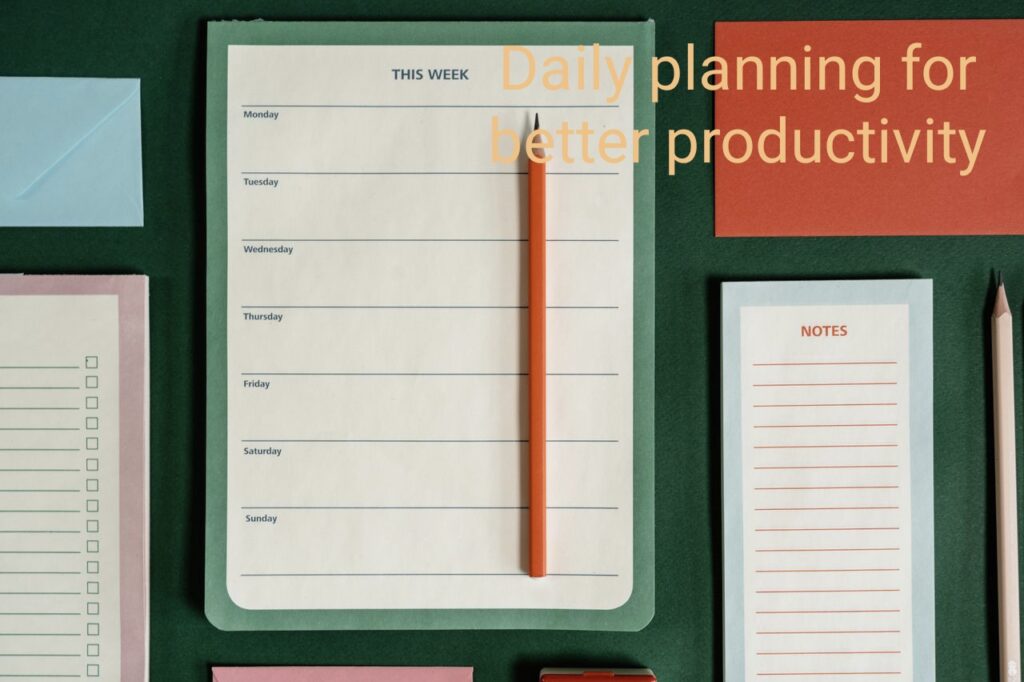
    1. Plan Your Day Before It Starts

    One of the simplest habits you can build is spending five minutes planning your day.

    Before checking social media or replying to messages, write down your three most important tasks. This gives your day a clear direction and helps you focus on meaningful work instead of reacting to distractions.

    Planning your day also reduces stress because you already know what needs your attention

    Quick Tip: Keep a notebook or digital planner and review it every morning.

    Planning your day helps you stay focused on your most important priorities.

    2. Read for 30 Minutes Every Day

    Reading is one of the best investments you can make in yourself.

    Even reading for just 30 minutes a day can help you learn new ideas, improve your communication skills, and develop a broader perspective.

    Choose books or articles related to productivity, personal growth, leadership, health, or any subject that supports your goals.

    The key is consistency rather than speed.

    Quick Tip: Replace 20 minutes of social media scrolling with reading every day.

    3. Move Your Body Every Day

    You don’t need an intense workout to improve your health.

    A 20–30 minute walk, stretching session, yoga practice, or simple home workout can increase your energy levels, improve your mood, and help you stay focused throughout the day.

    Regular physical activity also supports better sleep and reduces stress.

    The goal isn’t perfection—it’s consistency.

    Quick Tip: Schedule your movement just like any other important appointment so it becomes part of your daily routine.

    Daily movement can improve your energy, focus, and overall well-being.

    https://www.mayoclinic.org/healthy-lifestyle/fitness/in-depth/exercise/art-20048389

    Part 1 Summary

    The first three habits create a strong foundation for a better lifestyle:

    •Plan your day with intention.

    •Read something valuable every day.

    •Move your body regularly.

    These simple actions may seem small, but when practiced consistently for 30 days, they can have a meaningful impact on your productivity, health, and personal growth.

    4. Drink Enough Water Every Day

    Water plays an important role in keeping your body and mind functioning well. Yet, many people don’t drink enough water throughout the day.

    Proper hydration can help support energy levels, concentration, digestion, and overall well-being. Even mild dehydration may leave you feeling tired and less focused.

    A simple way to build this habit is to keep a reusable water bottle nearby and sip water regularly instead of waiting until you feel thirsty.

    Quick Tip: Start your morning with a glass of water and aim to drink water consistently throughout the day.

    5. Reduce Unnecessary Screen Time

    Smartphones and social media are useful tools, but spending too much time scrolling can reduce productivity and make it harder to stay focused.

    Many people lose hours every week on content that doesn’t help them achieve their goals.

    Instead of eliminating screen time completely, try using it more intentionally.

    You can:

    •Turn off unnecessary notifications.

    •Set daily app time limits.

    •Avoid checking your phone during focused work.

    •Keep your phone away while studying or reading.

    Protecting your attention is one of the best investments you can make.

    Quick Tip: Replace just 30 minutes of unnecessary screen time with reading, exercise, or learning a new skill.

    https://sandeepblogging.com/10-time-management-mistakes-killing-productivity/

    6. Track Your Spending

    Improving your finances starts with understanding where your money goes.

    Many people overspend simply because they don’t keep track of their daily expenses.

    You don’t need complicated software. A notebook, spreadsheet, or budgeting app is enough.

    At the end of each day, write down your expenses and review them weekly.

    This simple habit can help you:

    •Identify unnecessary spending.

    •Save more consistently.

    •Plan your monthly budget.

    •Make smarter financial decisions.

    Quick Tip: Review your spending every Sunday and look for one area where you can reduce unnecessary expenses.

    Tracking your spending helps you make more informed financial decisions.

    7. Learn Something New Every Day

    The world is constantly changing, and continuous learning helps you stay adaptable and grow personally and professionally.

    Learning doesn’t always require hours of study. Even 15–20 minutes a day can make a difference.

    You could:

    •Read an informative article.

    •Listen to a podcast.

    •Watch an educational video.

    •Practice a new skill.

    •Learn a few words in another language.

    The goal is to develop a habit of lifelong learning.

    Over time, small learning sessions can build valuable knowledge and confidence.

    Quick Tip: Choose one topic you want to improve this month and spend a few minutes learning about it every day.

    Small Daily Actions Create Long-Term Results

    Many people underestimate the power of small habits because the results are not immediate.

    However, consistent daily actions compound over time.

    Reading one chapter a day can turn into several books a year.

    Saving a small amount regularly can strengthen your financial habits.

    Walking every day can improve your health and energy.

    The key isn’t doing everything perfectly—it’s showing up consistently.

    Remember:

    Success is rarely the result of one big decision. It’s usually the outcome of many small, positive choices made every day.

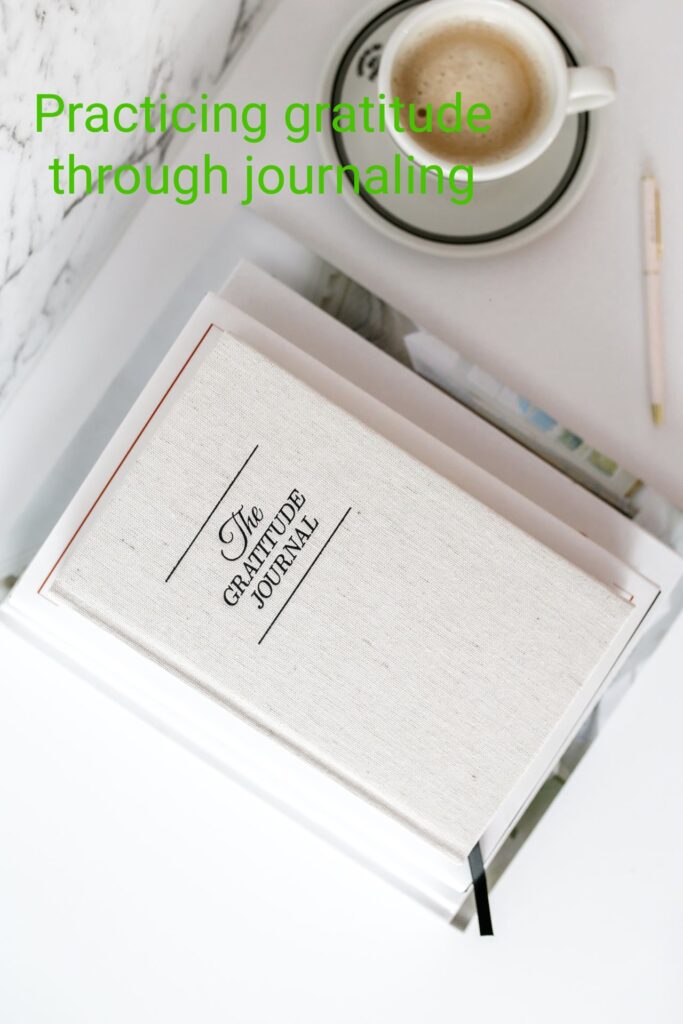
    8. Practice Gratitude Every Day

    In today’s fast-paced world, it’s easy to focus on what we don’t have instead of appreciating what we already have. Practicing gratitude is a simple habit that can help shift your mindset toward positivity.

    Spend just a few minutes each day writing down three things you’re grateful for. They don’t have to be big achievements. It could be your family, good health, a supportive friend, or even a productive day at work.

    Over time, gratitude can help you become more aware of the positive aspects of your life and encourage a more balanced perspective.

    Quick Tip: Keep a gratitude journal beside your bed and write three things you’re thankful for before going to sleep.

    Gratitude encourages a positive mindset and helps you appreciate everyday progress.

    https://www.apa.org/topics/positive-psychology

    9. Review Your Day

    One of the best ways to improve is by reflecting on your daily actions.

    Before ending your day, ask yourself:

    •What did I accomplish today?

    •What went well?

    •What could I improve tomorrow?

    •Did I make progress toward my goals?

    This simple habit helps you learn from your experiences and prepares you for a better tomorrow.

    Remember, progress comes from continuous improvement, not perfection.

    Quick Tip: Spend just five minutes every evening reviewing your day.

    10. Take One Step Toward Your Biggest Goal

    No matter how big your dream is, it becomes achievable when you take consistent action.

    Instead of waiting for the perfect time, commit to taking one small step every day.

    For example:

    •Write one page.

    •Learn one new concept.

    •Save a small amount of money.

    •Exercise for 20 minutes.

    •Reach out to one new professional connection.

    Small actions repeated over weeks and months often lead to meaningful progress.

    Quick Tip: Ask yourself every morning: “What’s one action I can take today that brings me closer to my goal?”

    https://sandeepblogging.com/stop-overthinking-and-take-action/

    Common Mistakes to Avoid

    While building new habits, many people make these common mistakes:

    •Trying to build too many habits at once.

    •Expecting instant results.

    •Giving up after missing one day.

    •Depending only on motivation.

    •Comparing their progress with others.

    Instead, focus on consistency. Missing one day isn’t failure—what matters is getting back on track.

    Consistent daily habits can create meaningful long-term results.

    Conclusion

    Improving your life doesn’t require dramatic changes overnight.

    The small habits you practice every day have a powerful impact on your future. Whether your goal is to become more productive, healthier, financially responsible, or personally fulfilled, consistency is the key.

    Choose one or two habits from this list and start today. Once they become part of your routine, gradually add more.

    Remember:

    Small habits create big results.

    Your future isn’t built in a single day—it’s built through the choices you make every day.

    Start today, stay consistent, and let your daily habits shape the life you want.

    https://sandeepblogging.com/needs-vs-wants/

  • How to Stop Overthinking and Take Action: 10 Practical Strategies That Work

    How to Stop Overthinking and Take Action: 10 Practical Strategies That Work

    Overthinking delays progress, while action creates clarity.

    Introduction

    Have you ever spent hours thinking about a decision but still ended up doing nothing?stop overthinking

    Whether it’s starting a new project, learning a new skill, applying for a job, or making an important life decision, overthinking can quietly keep us stuck. Instead of helping us make better choices, it often creates confusion, stress, and procrastination.

    The truth is that overthinking rarely leads to perfect decisions. More often, it delays progress. Every minute spent replaying the same thoughts is a minute not spent taking action.

    Successful people aren’t successful because they never have doubts. They simply learn how to make decisions, take action, and improve along the way. Progress usually comes from consistent action—not endless analysis.

    The good news is that overthinking is a habit, and like any habit, it can be changed. By making small adjustments to how you think and act each day, you can become more confident, productive, and focused.

    In this guide, you’ll learn why overthinking happens, how it affects your daily life, and 10 practical strategies that can help you stop overthinking and start taking action.

    Overthinking often keeps us busy thinking instead of making progress.

    What Is Overthinking?

    Overthinking is the habit of analyzing situations, decisions, or problems repeatedly without reaching a conclusion or taking meaningful action.

    Instead of helping you find better solutions, it often creates more questions, more doubts, and more stress.

    Common signs of overthinking include:

    •Constantly replaying past conversations.

    •Worrying about every possible outcome.

    •Delaying decisions because nothing feels “perfect.”

    •Fear of making mistakes.

    •Spending more time planning than doing.

    While thinking carefully before making important decisions is useful, excessive thinking often becomes a barrier to progress.

    Why Overthinking Holds You Back

    https://sandeepblogging.com/7-morning-habits-increase-productivity-focus/

    1. It Delays Action

    The more you think, the harder it becomes to take the first step. Many opportunities are missed simply because people wait too long for the “perfect” moment.

    2. It Increases Stress

    Constant mental analysis can leave you feeling mentally exhausted. Your brain stays busy even when you’re not making progress.

    3. It Reduces Confidence

    When every decision feels risky, you begin to doubt yourself. This lack of confidence can make even small choices feel overwhelming.

    4. It Leads to Procrastination

    Many people believe they’re being productive because they’re researching, planning, or analyzing. In reality, they may be avoiding action

    5. It Slows Personal Growth

    Growth happens when you learn through experience. If you never act, you also miss the chance to improve, adapt, and gain confidence.

    Why Taking Action Matters

    Action creates clarity.

    You don’t need to know every answer before you begin. Every small step teaches you something that thinking alone never can.

    Whether your goal is improving productivity, building better habits, growing your career, or learning a new skill, consistent action will always move you forward faster than endless planning.

    Remember:

    You don’t have to be perfect to start—you just have to start.

    10 Practical Ways to Stop Overthinking and Take Action

    1. Set a Time Limit for Decisions

    Not every decision deserves hours of thinking. Many everyday choices can be made within a few minutes.

    For example, instead of spending an entire day deciding whether to start a new project, give yourself a specification to time limit—10 or 15 minutes. Once the time is up, make a decision and move forward.

    This simple habit prevents your mind from getting trapped in endless analysis.

    Remember: A good decision made today is often better than a perfect decision that never happens.

    2. Focus on What You Can Control

    Overthinking usually comes from worrying about things that are outside your control.

    You cannot control other people’s opinions, unexpected situations, or every future outcome.

    Instead, ask yourself:

    “What is one thing I can do right now?”

    Shifting your attention to actions within your control reduces stress and helps you make steady progress.

    3. Take One Small Action Immediately

    Small actions taken consistently build momentum.

    Action is one of the best ways to break the cycle of overthinking.

    If a task feels overwhelming, don’t try to finish everything at once.

    Instead, take one simple step.

    Examples:

    •Write the first paragraph instead of the entire article.

    •Read one page instead of one chapter.

    •Exercise for five minutes instead of one hour.

    •Organize one folder instead of your entire workspace.

    Small wins build momentum, and momentum makes it easier to keep going.

    4. Stop Waiting for Perfection

    Many people delay taking action because they want everything to be perfect.

    The truth is that perfection is rarely possible.

    Every successful creator, entrepreneur, athlete, or professional started before they felt completely ready.

    Progress comes from learning, improving, and adjusting—not from waiting for the perfect moment.

    Ask yourself:

    “Is this good enough to begin?”

    Most of the time, the answer is yes.

    5. Write Down Your Thoughts

    When thoughts stay inside your mind, they often become louder and more confusing.

    Writing them down helps you organize your thinking and see situations more clearly.

    Try writing answers to questions like:

    •What am I worried about?

    •What’s the worst realistic outcome?

    •What’s the best possible outcome?

    •What action can I take today?

    Journaling for just 5–10 minutes a day can reduce mental clutter and make decision-making much easier

    https://www.apa.org/topics/stress

    Quick Summary

    To stop overthinking, start by making small changes:

    •Give yourself a deadline for decisions.

    •Focus only on what you can control.

    •Take one small action immediately.

    •Let go of perfection

    •Write your thoughts instead of carrying them in your mind.

    These habits won’t eliminate overthinking overnight, but they can help you spend less time worrying and more time making meaningful progress.

    6. Limit Information Overload

    Having access to information is helpful, but consuming too much of it can make decision-making harder.

    Reading dozens of articles, watching countless videos, or asking too many people for advice often creates confusion instead of clarity.

    Choose a few reliable sources, learn what you need, and then take action.

    Remember: Information is valuable only when you use it.

    7. Break Big Goals Into Small Steps

    Big goals can feel overwhelming, which often leads to overthinking.

    Instead of focusing on the entire journey, break your goal into small, manageable tasks.

    Breaking big goals into smaller steps makes them easier to achieve.

    For example:

    •Instead of “Write a book,” start with “Write 300 words today.”

    •Instead of “Get fit,” begin with a 20-minute walk.

    •Instead of “Start a business,” research one idea and take the first practical step.

    Small progress every day builds confidence and keeps you moving forward.

    8. Accept That Mistakes Are Part of Growth

    Many people overthink because they fear making mistakes.

    The reality is that mistakes are part of learning. Every successful person has made wrong decisions, learned from them, and improved.

    Rather than asking, “What if I fail?”

    Ask, “What can I learn if things don’t go as planned?”

    A growth mindset helps you see challenges as opportunities to improve.

    9. Practice Mindfulness

    Overthinking usually keeps your mind focused on the past or worried about the future.

    Mindfulness helps you return your attention to the present moment.

    Simple habits include:

    •Taking slow, deep breaths.

    •Going for a short walk without your phone.

    •Spending a few minutes in quiet reflection.

    •Practicing gratitude by writing down three things you appreciate each day.

    These practices can reduce mental clutter and improve focus.

    https://www.mayoclinic.org/healthy-lifestyle/stress-management

    10. Build Daily Habits That Encourage Action

    Your daily habits shape your future more than occasional bursts of motivation.

    Start with simple routines:

    •Plan your day each morning.

    •Complete your most important task first.

    •Limit unnecessary distractions.

    •Review your progress every evening.

    •Celebrate small achievements.

    Consistency matters more than perfection.

    Common Mistakes to Avoid

    •Waiting for the “perfect” time to begin.

    •Seeking endless advice without taking action.

    •Comparing yourself with others.

    •Trying to change everything at once.

    •Giving up after one setback.

    Remember, progress isn’t about never making mistakes—it’s about continuing despite them.

    Every meaningful achievement begins with one small step.

    Conclusion

    Overthinking can feel like preparation, but too often it becomes a barrier to progress.

    The best way to overcome it isn’t by finding perfect answers—it’s by taking the next small step.

    You don’t need complete confidence to begin. Confidence grows through action, experience, and learning.

    Every successful journey starts with one decision: to stop waiting and start doing.

    Choose one strategy from this article and put it into practice today. Small, consistent actions can create meaningful change over time.

    Stop overthinking. Start taking action. Your future self will thank you.

    Final Thought

    Action creates clarity. Progress creates confidence. Small steps taken consistently can lead to remarkable results.

    https://sandeepblogging.com/needs-vs-wants/

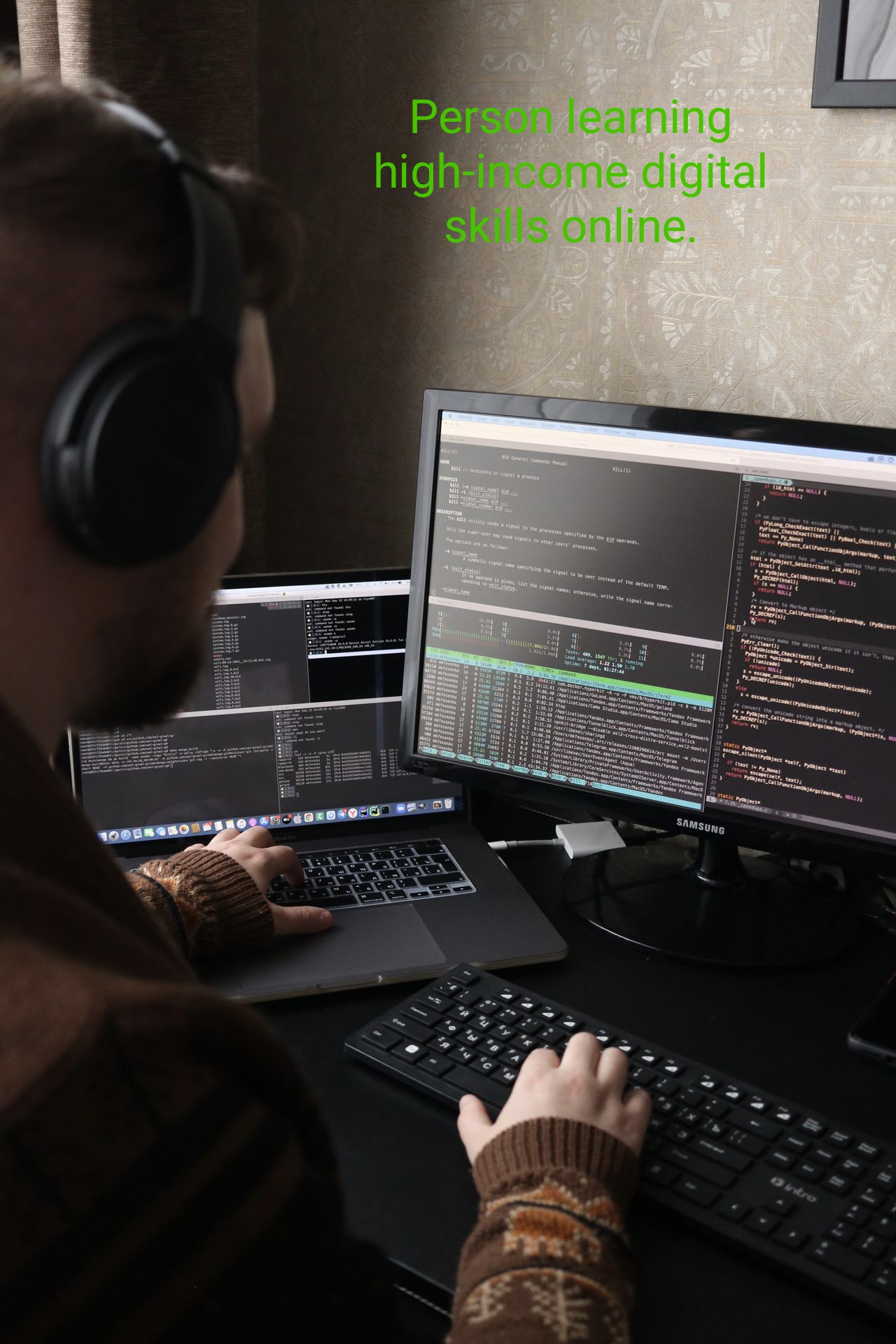
  • 10 High-Income Skills You Can Learn Online for Free in 2026

    10 High-Income Skills You Can Learn Online for Free in 2026

    “The best investment you can make is learning a valuable skill.”

    Introduction

    The job market is changing faster than ever.

    Companies no longer hire people only because of their degrees—they hire people who can solve real problems. In today’s digital economy, your High income skills often matter more than your qualifications.

    Whether you’re a student, working professional, freelancer, or entrepreneur, learning the right skill can open doors to better career opportunities, higher income, and greater financial freedom.

    The best part? Many of these skills can be learned online for free using trusted platforms and consistent practice.

    You don’t need expensive courses or years of formal education to get started. What you need is curiosity, dedication, and the willingness to learn.

    In this guide, we will discover 10 high-income skills that are in demand in 2026, why they matter, and how you can begin learning them today.

    1. AI Prompt Engineering

    Artificial Intelligence is transforming the way people work.

    Prompt Engineering is the skill of writing clear and effective instructions for AI tools like ChatGPT and other generative AI platforms to produce useful results.

    Businesses use AI for writing, research, coding, customer support, marketing, and content creation. People who know how to use AI effectively can complete tasks faster and create more value.

    How to Start

    •Learn the basics of AI.

    •Practice writing different prompts every day.

    •Experiment with AI for writing, brainstorming, coding, and research.

    •Build a portfolio of prompts and AI-assisted projects.

    Career Opportunities

    •AI Content Creator

    •Prompt Engineer

    •AI Consultant

    •Marketing Assistant

    •Research Assistant

    Why It’s Valuable

    As AI adoption grows, professionals who know how to work with AI tools will have a significant advantage.

    “Learning AI today can create new opportunities tomorrow.”

    2. Copywriting

    Every business needs words that persuade people to take action.

    Copywriting is the skill of writing content that encourages readers to buy a product, subscribe to a service, or click a button.

    Good copywriters help businesses increase sales through emails, websites, advertisements, and social media.

    How to Start

    •Learn the basics of persuasive writing.

    •Study successful advertisements.

    •Rewrite product descriptions for practice.

    •Create sample projects for your portfolio.

    Career Opportunities

    •Freelance Copywriter

    •Email Copywriter

    •Sales Page Writer

    •Social Media Copywriter

    Why It’s Valuable

    Businesses will always need effective communication, making copywriting a valuable long-term skill.

    3. Search Engine Optimization (SEO)

    Search Engine Optimization (SEO) helps websites appear higher in search engine results.

    Every business wants more visitors from search engines, making SEO one of the most valuable digital skills.

    Learning SEO allows you to improve website visibility, attract organic traffic, and help businesses grow online.

    What You’ll Learn

    •Keyword research

    •On-page SEO

    •Technical SEO

    •Link building

    •Content optimization

    Career Opportunities

    •SEO Specialist

    •SEO Consultant

    •Blogger

    •Affiliate Marketer

    •Digital Marketing Executive

    Why It’s Valuable

    SEO continues to generate long-term traffic and business growth without relying entirely on paid advertising.

    “SEO helps businesses reach the right audience through search engines.”

    4. Video Editing

    Short-form videos dominate today’s digital platforms.

    Creators, businesses, educators, and brands all need engaging videos for platforms like YouTube, Instagram, Facebook, and TikTok.

    If you can edit videos professionally, you’ll always find opportunities.

    Beginner Tools

    •CapCut

    •DaVinci Resolve

    •Canva Video Editor

    •Adobe Premiere Pro (advanced)

    Skills to Learn

    •Cutting clips

    •Adding transitions

    •Color correction

    •Sound editing

    •Captions

    •Motion graphics

    Career Opportunities

    •Freelance Video Editor

    •YouTube Editor

    •Social Media Editor

    •Agency Video Editor

    Why It’s Valuable

    The demand for video content continues to grow, making video editing one of the most practical and future-ready digital skills.

    “Video editing is one of the fastest-growing digital skills in the creator economy.”

    If you’re building your career online, don’t miss our guide on 7 morning habbit that increase productivity and focus for Students to explore more ways to earn using digital skil

    https://sandeepblogging.com/7-morning-habits-increase-productivity-focus/

    5. Graphic Design

    Every business needs eye-catching visuals for social media, websites, advertisements, and branding. That’s why graphic design remains one of the most in-demand digital skills.

    The good news? You don’t need expensive software to get started. Free tools like Canva make designing easy for beginners.

    What You’ll Learn

    •Social media post design

    •Logo creation

    •Brand identity

    •Presentations

    •Marketing materials

    Career Opportunities

    •Freelance Graphic Designer

    •Social Media Designer

    •Brand Designer

    •Marketing Designer

    Free Learning Platforms

    •Canva Design School

    •YouTube Tutorials

    •Adobe Express Learn

    Why It’s Valuable

    Every company needs visual content, making graphic design a skill with consistent demand.

    “Creative design skills help businesses stand out online.”

    6. Digital Marketing

    Digital marketing helps businesses reach customers through search engines, social media, email, and online advertising.

    As more businesses move online, the demand for digital marketers continues to grow.

    Skills You’ll Learn

    •Social Media Marketing

    •Email Marketing

    •Google Ads

    •Content Marketing

    •Analytics

    Career Opportunities

    •Digital Marketing Executive

    •Marketing Consultant

    •Freelance Marketer

    •Business Owner

    Free Learning Platforms

    •Google Digital Garage

    •HubSpot Academy

    •Meta Blueprint

    7. Content Writing

    Businesses need blogs, website content, newsletters, and product descriptions.

    If you enjoy writing, content writing can become an excellent high-income skill.

    Skills You’ll Learn

    •SEO Writing

    •Blog Writing

    •Website Content

    •Research Skills

    •Editing

    Career Opportunities

    •Content Writer

    •Blogger

    •Copywriter

    •Technical Writer

    Why It’s Valuable

    Quality content helps businesses attract customers and improve search engine rankings.

    “Great content builds trust and attracts long-term opportunities.”

    8. Social Media Management

    Businesses need professionals who can grow their online presence.

    Social media managers create content, schedule posts, respond to comments, and analyze performance.

    Platforms

    •Instagram

    •Facebook

    •LinkedIn

    •Pinterest

    •X (Twitter)

    Career Opportunities

    •Social Media Manager

    •Community Manager

    •Content Strategist

    •Brand Manager

    9. Data Analysis

    Every company uses data to make better business decisions.

    Learning data analysis allows you to understand trends, customer behavior, and business performance.

    Beginner Tools

    •Microsoft Excel

    •Google Sheets

    •Power BI

    •SQL (Basic)

    Career Opportunities

    •Data Analyst

    •Business Analyst

    •Reporting Executive

    Why It’s Valuable

    Data-driven decision-making is becoming essential across every industry.

    https://www.freecodecamp.org/?

    10. Web Development

    Every business needs a website.

    Learning web development allows you to build websites, portfolios, landing pages, and online stores.

    Beginner Skills

    •HTML

    •CSS

    •JavaScript

    •WordPress

    •Responsive Design

    Career Opportunities

    •Web Developer

    •WordPress Developer

    •Front-End Developer

    •Freelance Website Designer

    Why It’s Valuable

    Web development remains one of the highest-paying digital skills and offers excellent freelance opportunities.

    “Web development combines creativity with problem-solving.”

    https://sandeepblogging.com/how-to-build-self-discipline/

    Final Thoughts

    The future belongs to people who never stop learning.

    In 2026, employers and clients are looking for individuals who can solve problems, adapt to technology, and deliver real value. By learning just one high-income skill, you can improve your career, increase your earning potential, and create new opportunities.

    Remember:

    •You don’t need to master all ten skills.

    •Choose one skill.

    •Practice consistently.

    •Build real projects.

    •Keep learning.

    The journey may take time, but the investment in yourself will continue to pay off for years.

    If you found this guide helpful, share it with someone who wants to become more productive and disciplined.

    Explore more articles on https://www.sandeepblogging.com to learn about productivity, blogging, AI tools, online earning, and personal growth.

  • How to Build Self-Discipline: 10 Daily Habits That Actually Work

    How to Build Self-Discipline: 10 Daily Habits That Actually Work

    “Self-discipline is the bridge between your goals and your achievements.”

    Introduction

    Why do some people consistently achieve their goals while others struggle to stay motivated?

    The answer is rarely talent or luck. More often, it’s self-discipline.

    Self-discipline is the ability to do what needs to be done, even when you don’t feel like doing it. It’s the habit of making decisions based on your long-term goals rather than your short-term emotions.

    Many people wait for motivation before taking action. The problem is that motivation comes and goes. Self-discipline, on the other hand, helps you keep moving forward even on difficult days.

    Whether you want to build a successful career, grow an online business, improve your health, or learn new skills, self-discipline is one of the most valuable qualities you can develop.

    The good news is that self-discipline isn’t something you’re born with. Like any other skill, it can be built through small, consistent habits.

    In this article, we will discover 10 daily habits that can help you strengthen your self-discipline, improve your productivity, and achieve your goals more consistently.

    1. Wake Up at the Same Time Every Day

    Your day begins the moment you wake up.

    If you wake up at different times every day, your routine becomes inconsistent, making it harder to stay productive.

    Successful people often follow a regular sleep schedule because consistency creates discipline.

    Waking up at the same time trains your mind to follow routines instead of emotions.

    You don’t have to wake up at 5 a.m. to be successful. What matters most is choosing a realistic time and sticking to it every day.

    How to Build This Habit

    •Set one alarm.

    •Avoid pressing the snooze button.

    •Go to bed at a consistent time.

    •Keep your phone away from your bed.

    Benefits:

    ✅ Better focus

    ✅ Higher energy

    ✅ Improved productivity

    ✅ Stronger discipline

    “Consistency starts with waking up at the same time every day.”

    2. Make Your Bed Every Morning

    Making your bed may seem like a small task, but it sends a powerful message to your brain:

    “I complete what I start.”

    This simple habit creates momentum and gives you an early sense of accomplishment.

    Small wins in the morning often lead to bigger wins throughout the day.

    Self-discipline grows through repeated actions—not big decisions.

    How to Build This Habit:

    Spend just two minutes making your bed after waking up.

    •Don’t aim for perfection.

    •Just complete the task.

    Benefits:

    ✅ Builds discipline

    ✅ Creates positive momentum

    ✅ Keeps your environment organized

    ✅ Encourages consistency

    3. Plan Your Day Before You Start Working

    Without a plan, you’ll spend your day reacting instead of creating.

    Many people start working without knowing their priorities.

    As a result, they stay busy but accomplish very little.

    Planning your day helps you focus on what truly matters.

    Every morning, write down your Top 3 Most Important Tasks (MITs).

    Complete these before moving to less important work.

    Simple Planning Method:

    Write:

    1•My Most Important Task

    2•Second Priority

    3•Third Priority

    Everything else can wait.

    Benefits:

    ✅ Clear direction

    ✅ Better time management

    ✅ Reduced stress

    ✅ Higher productivity

    “A clear plan helps you focus on what matters most.”

    4. Finish Your Hardest Task First

    One of the biggest enemies of self-discipline is procrastination.

    Most people postpone difficult tasks until later in the day.

    Unfortunately, later often becomes tomorrow.

    Instead, complete your hardest task while your energy and focus are highest.

    This strategy is commonly known as “Eat the Frog.”

    Once your biggest challenge is complete, the rest of your day feels easier.

    How to Build This Habit

    •Identify your hardest task every morning.

    •Work on it before checking social media.

    •Remove distractions.

    •Focus for 45–60 minutes without interruption.

    Benefits:

    ✅ Less procrastination

    ✅ Better focus

    ✅ Faster progress

    ✅ Increased confidence

    “Complete your hardest task first while your mind is fresh.”

    Want to improve your focus while working? Read our guide on Deep Work: The Skill That Can Change Your Life to learn how distraction-free work boosts productivity.

    https://sandeepblogging.com/deep-work-skill-that-can-change-your-life/

    5. Limit Social Media Usage:

    Social media is one of the biggest distractions in today’s digital world.

    Most people don’t realize how much time they lose by checking notifications, watching short videos, or endlessly scrolling through feeds.

    Even five minutes can quickly turn into thirty.

    Self-discipline means controlling technology instead of letting technology control you.

    https://sandeepblogging.com/10-time-management-mistakes-killing-productivity/

    How to Build This Habit

    •Set a daily screen time limit.

    •Turn off unnecessary notifications.

    •Avoid using social media during the first hour after waking up.

    •Keep your phone away while working.

    Benefits:

    ✅ Better concentration

    ✅ More free time

    ✅ Less stress

    ✅ Improved productivity

    “Control your phone before it controls your day.”

    6. Exercise Every Day

    Self-discipline isn’t only mental—it also grows through physical habits.

    Regular exercise improves your energy, confidence, mood, and focus.

    You don’t need an expensive gym membership.

    Even a 20-minute walk can make a difference.

    How to Build This Habit

    Choose one activity:

    •Walking

    •Running

    •Cycling

    •Yoga

    •Home workout

    The goal is consistency, not perfection.

    Benefits:

    ✅ Better physical health

    ✅ Improved mental focus

    ✅ Increased confidence

    ✅ More energy throughout the day

    7. Read for at Least 15 Minutes Daily

    Successful people never stop learning.

    Reading expands your knowledge, improves your thinking, and helps you make better decisions.

    Instead of scrolling social media, spend 15 minutes reading something valuable.

    Good Topics

    •Productivity:

    •Business

    •Finance

    •Communication

    •Personal development

    Benefits:

    ✅ Better knowledge

    ✅ Improved thinking

    ✅ Continuous growth

    ✅ New ideas

    “Reading every day is an investment in your future.”

    https://jamesclear.com/habits?utm_

    8. Keep Promises to Yourself

    One of the fastest ways to build self-discipline is to become someone who keeps promises.

    If you decide to exercise today, do it.

    If you promise yourself you’ll study for one hour, complete it.

    Every promise you keep builds self-confidence.

    Every promise you break weakens it.

    How to Build This Habit:

    Start small.

    Instead of setting unrealistic goals, begin with habits you can actually maintain.

    Consistency is more important than intensity.

    Benefits:

    ✅ Stronger self-confidence

    ✅ Better discipline

    ✅ Greater consistency

    ✅ Improved motivation

    9. Review Your Progress Every Evening

    Growth happens when you reflect on your actions.

    Spend five minutes every evening asking yourself:

    •What did I accomplish today?

    •What distracted me?

    •What can I improve tomorrow?

    This simple habit helps you become more intentional with your time and decisions.

    Benefits:

    ✅ Better planning

    ✅ Continuous improvement

    ✅ Increased awareness

    ✅ More productive days

    “Small daily reviews create big long-term improvements.”

    https://www.mindtools.com/?

    10. Stay Consistent Even When You Don’t Feel Motivated

    Motivation comes and goes.

    Discipline stays.

    Many people stop working when motivation disappears.

    Successful people continue because they rely on habits—not feelings.

    The secret isn’t doing something once.

    It’s repeating it until it becomes part of your lifestyle.

    How to Build This Habit

    •Focus on progress instead of perfection.

    •Never miss your habit two days in a row.

    •Celebrate small wins.

    •Remember why you started.

    Benefits:

    ✅ Long-term success

    ✅ Strong habits

    ✅ Greater confidence

    ✅ Better results

    Common Mistakes That Destroy Self-Discipline

    Avoid these habits:

    ❌ Waiting for motivation

    ❌ Setting unrealistic goals

    ❌ Comparing yourself to others

    ❌ Trying to change everything at once

    ❌ Giving up after one bad day

    Remember: discipline is built through consistent action, not perfection.

    7-Day Self-Discipline Challenge

    Challenge yourself for one week:

    Day 1: Wake up at the same time.

    Day 2: Make your bed.

    Day 3: Plan your top 3 tasks.

    Day 4: Exercise for 20 minutes.

    Day 5: Read for 15 minutes.

    Day 6: Avoid social media for one hour after waking up.

    Day 7: Review your progress and plan the next week.

    Small daily wins create lasting habits.

    Conclusion

    Self-discipline isn’t something you’re born with—it’s something you build through consistent daily actions.

    You don’t need to change your entire life overnight. Instead, focus on improving one habit at a time. Small actions, repeated every day, lead to remarkable long-term results.

    Let’s quickly recap the 10 habits:

    ✅ Wake up at the same time every day.

    ✅ Make your bed every morning.

    ✅ Plan your day before starting work.

    ✅ Finish your hardest task first.

    ✅ Limit social media usage.

    ✅ Exercise daily.

    ✅ Read for at least 15 minutes.

    ✅ Keep promises to yourself.

    ✅ Review your progress every evening.

    ✅ Stay consistent, even when motivation is low.

    Remember, success isn’t about being perfect. It’s about showing up every day and making steady progress.

    Start with just one habit today. As your confidence grows, add another. Over time, these simple practices will become part of your lifestyle, helping you become more productive, focused, and successful.

    Building self-discipline is one of the best investments you can make in yourself.

    If you found this guide helpful, explore more articles on Learn Earn With Sandeep about productivity, focus, blogging, AI tools, and personal growth.

    Start today, stay consistent, and let your daily habits shape your future.

    “Your future is created by what you do consistently, not occasionally.”

  • Deep Work: The Skill That Can Change Your Life

    Deep Work: The Skill That Can Change Your Life

    Deep work helps you accomplish meaningful tasks without distractions.

    Introduction

    Take a moment and think about your last working day

    You opened your laptop with a clear goal in mind. Within minutes, a notification appeared on your phone. Then an email arrived. A WhatsApp message demanded your attention. You checked Instagram for “just a minute” and suddenly twenty minutes disappeared.

    By the end of the day, you felt busy but not productive

    This is the reality for millions of people.

    We live in a world where distraction has become normal. Our attention is constantly pulled in different directions by smartphones, social media, emails, and endless notifications.

    As a result, the ability to concentrate deeply has become one of the most valuable skills anyone can develop.

    This skill is called Deep Work.

    Deep Work is not simply working harder or spending more hours at your desk.

    Whether you are a student, blogger, entrepreneur, employee, or creator, Deep Work allows you to produce better results in less time.

    In today’s digital world, people who master Deep Work have a significant advantage because they can learn faster, think clearly, and create higher-quality work

    Instead of constantly reacting to distractions, they intentionally direct their attention toward meaningful goals.

    If you want to improve your productivity, build valuable skills, or achieve long-term success, learning Deep Work is one of the best investments you can make.

    What Is Deep Work?

    The concept of Deep Work became popular through author Cal Newport, who describes it as the ability to perform cognitively demanding tasks in a state of distraction-free concentration.

    Simply put, Deep Work means giving your full attention to one important activity without switching tasks or checking notifications.

    Examples include:

    •Writing a blog article

    •Learning a new programming language

    •Reading an educational book

    •Studying for an exam

    •Designing a business strategy

    •Creating a YouTube script

    During Deep Work, your brain operates at its highest level.

    You process information faster.

    You make fewer mistakes.

    You understand complex ideas more easily.

    And most importantly, you produce work that creates real value.

    Deep Work vs Shallow Work

    Most people confuse being busy with being productive.

    But there is a huge difference.

    Deep Work

    ✅ Single-task focus

    ✅ No notifications

    ✅ High concentration

    ✅ Creates long-term value

    ✅ Improves skills

    ✅ Produces meaningful results

    Shallow Work

    ❌ Constant multitasking

    ❌ Frequent interruptions

    ❌ Checking emails every few minutes

    ❌ Endless meetings

    ❌ Social media scrolling

    ❌ Low-value repetitive tasks

    Shallow work feels productive because you are constantly doing something.

    But at the end of the day, very little meaningful progress has been made.

    Deep Work, on the other hand, may feel difficult at first, but it produces extraordinary results over time.

    Why Deep Work Is Becoming Rare

    Technology has made information more accessible than ever before.

    Unfortunately, it has also made distraction available every second of the day.

    Consider how many times you check your phone.

    For many people, it happens dozens or even hundreds of times daily.

    Every notification interrupts your concentration.

    Every social media scroll breaks your momentum.

    Every unnecessary email steals a little more attention.

    Your brain must repeatedly switch between different tasks, making it harder to enter a state of deep concentration.

    Over time, this creates a habit of constant distraction.

    Many people become uncomfortable sitting quietly and focusing on one task for even thirty minutes.

    Instead, they seek quick entertainment or instant rewards.

    This is exactly why Deep Work has become so valuable.

    As distractions increase, the ability to ignore them becomes a competitive advantage.

    Removing distractions is the first step toward Deep Work.

    Why Deep Work Can Change Your Life

    Deep Work is much more than a productivity technique.

    It changes the way you think, learn, and work.

    People who regularly practice Deep Work often experience:

    https://sandeepblogging.com/why-short-videos-are-destroying-your-attention-span/

    Better Focus

    Your mind becomes trained to concentrate for longer periods without getting distracted.

    Higher Productivity

    One hour of Deep Work can produce more meaningful results than several hours of distracted work.

    Faster Learning

    When you focus deeply, your brain absorbs and retains information more effectively.

    Better Decision Making

    A focused mind thinks more clearly and makes fewer impulsive choices.

    Reduced Stress

    Constant multitasking creates mental fatigue.

    Deep Work allows you to work calmly and intentionally.

    Career Growth

    Professionals who consistently produce high-quality work often stand out and create more opportunities for themselves.

    https://sandeepblogging.com/why-multitasking-doesnt-work/

    7 Practical Ways to Practice Deep Work

    Deep Work is not a talent that only a few people possess.

    It is a skill that anyone can develop with consistent practice.

    Here are seven practical ways to build Deep Work into your daily routine.

    1. Eliminate Digital Distractions

    Every notification steals a small piece of your attention.

    Before starting an important task:

    •Turn off notifications

    •Put your phone on silent

    •Close unnecessary browser tabs

    •Log out of social media

    Creating a distraction-free environment allows your brain to focus completely on the task in front of you.

    Turning off notifications creates space for uninterrupted thinking.

    2. Work on One Task at a Time

    Multitasking may feel productive, but research consistently shows that constantly switching between tasks reduces efficiency.

    Instead of:

    ❌ Writing while checking WhatsApp

    ❌ Studying while watching YouTube

    ❌ Working while scrolling Instagram

    Choose one task.

    Give it your complete attention.

    Finish it before moving to the next one.

    Single-tasking is one of the simplest ways to improve focus.

    3. Schedule Deep Work Sessions

    Don’t wait until you “feel motivated.”

    Schedule Deep Work like an important meeting.

    Examples:

    Morning: 9:00 AM – 10:30 AM

    Evening: 7:00 PM – 8:00 PM

    Protect this time.

    Avoid emails, calls, and social media during these sessions.

    Consistency is more important than duration.

    Even 45 minutes of uninterrupted focus every day can produce remarkable results over time.

    4. Create a Dedicated Workspace

    Your environment influences your concentration.

    A clean workspace signals your brain that it’s time to focus.

    https://about.google/

    Keep only essential items:

    • Laptop

    •Notebook

    •Water bottle

    •pen

    Remove unnecessary distractions.

    minimalist workspace reduces mental clutter and improves attention.

    clean workspace encourages focused thinking.

    5. Practice Deep Reading

    Reading trains your brain to sustain attention.

    Instead of consuming hundreds of short videos every day, spend at least twenty minutes reading:

    •Books

    •Long-form articles

    •Research papers

    •Educational blogs

    Reading improves concentration, comprehension, and critical thinking.

    6. Start Small

    Many people fail because they try to work deeply for three hours on the first day.

    Instead:

    Week 1: 30 minutes

    Week 2: 45 minutes

    Week 3: 60 minutes

    Gradually increase your focus sessions.

    Like a muscle, attention becomes stronger through regular practice.

    7. Take Intentional Breaks

    Deep Work requires mental energy.

    Working without breaks often leads to fatigue.

    After a focused session:

    Take a walk.

    Stretch.

    Drink water.

    Look away from screens.

    Short breaks help your brain recover and maintain high performance throughout the day.

    https://hbr.org/

    Common Deep Work Mistakes

    Many people unknowingly reduce their productivity by making these mistakes.

    •Mistake 1

    Checking notifications every few minutes.

    •Mistake 2

    Working with multiple browser tabs open.

    •Mistake 3

    Trying to multitask.

    •Mistake 4

    Starting the day with social media.

    •Mistake 5

    Working without clear priorities.

    Avoiding these habits dramatically improves focus.

    A Simple Daily Deep Work Routine

    Morning

    •Wake up

    •Avoid social media

    •Exercise or walk

    •Plan top three priorities

    Deep Work Session

    60–90 minutes

    Afternoon

    •Emails

    •Meetings

    •Shallow tasks

    Evening

    •Reading

    •Learning

    •Reflection

    •Plan tomorrow

    Following a structured routine reduces decision fatigue and makes Deep Work easier.

    Daily reading strengthens focus and supports Deep Work.

    Final Thoughts

    We live in an age where attention is constantly under attack.

    Every notification, message, and endless scroll competes for our focus.

    The people who succeed in the future won’t necessarily be the busiest.

    They will be the ones who can focus deeply on meaningful work while others are distracted.

    Deep Work is not about working longer.

    it is about working smarter.

    Start with thirty distraction-free minutes every day.

    •Protect your attention.

    •Read more.

    •Scroll less.

    •Focus deeply.

    Small daily improvements will compound into extraordinary long-term results.

    If you want practical tips on productivity, focus, digital wellness, blogging, and online earning, join the Learn Earn With Sandeep community.

    Here’s how you can stay connected:

    https://www.sandeepblogging.com

    📱 Follow us on Instagram for daily productivity reels.@Learn earn with sandeep

    🎥 Subscribe on YouTube for actionable videos.@Learn Earn with sandeep

    💼 Connect on LinkedIn for professional insights.@Learn Earn with sandeep

    ✍️ Read more in our latest WordPress blogs and Medium articles.@Learn Earn with sandeep

    Small daily improvements create extraordinary long-term results.

  • THE HIDDEN COST OF ENDLESS SCROLLING: WHAT SOCIAL MEDIA IS REALLY TAKING FROM YOU

    THE HIDDEN COST OF ENDLESS SCROLLING: WHAT SOCIAL MEDIA IS REALLY TAKING FROM YOU

    What Social Media Is Really Taking From You

    introduction

    Have you ever opened Instagram, YouTube Shorts, Facebook, or TikTok for “just five minutes” and then realized an hour had disappeared?

    Most people have.

    The hidden cost of Endless scrolling has become one of the most common habits of the digital age. It feels harmless because it doesn’t look like a serious problem. You’re not spending money. You’re not doing anything dangerous. You’re simply watching videos, reading posts, and consuming content.

    But beneath the surface, endless scrolling carries hidden costs that many people never notice until they begin affecting their productivity, focus, mental well-being, and long-term goals.

    The real danger isn’t social media itself. Social media can be educational, inspiring, and useful when used intentionally.

    The problem begins when scrolling becomes automatic.

    Let’s explore what endless scrolling is really taking from you and how you can take control before it costs even more.

    Why Endless Scrolling Feels So Good

    Social media platforms are designed to keep your attention.

    Every swipe brings something new:

    •A funny video

    •An interesting story

    •A shocking headline

    •A motivational quote

    •A viral trend

    Your brain loves novelty.

    Each new piece of content creates anticipation. You never know what you’ll see next, which keeps you scrolling.

    This creates a reward loop.

    The more you scroll, the more your brain expects instant stimulation.

    Over time, normal activities like reading, studying, working, or even having conversations can start feeling less exciting because they don’t provide the same constant stream of rewards.

    Endless scrolling often feels harmless until hours disappear without notice.

    The Time Cost Nobody Talks About

    The most obvious cost of endless scrolling is time.

    Imagine spending:

    •1 hour per day scrolling

    •7 hours per week

    •Around 365 hours per year

    That’s more than 15 full days every year.

    Now imagine spending:

    •3 hours daily scrolling

    •More than 1,000 hours annually

    That’s the equivalent of several months of focused work, learning, reading, or skill development.

    Many people say they don’t have time to:

    •Start a blog

    •Learn a skill

    •Read books

    •Exercise

    •Build a side hustle

    Yet hours disappear every week through mindless scrolling.

    The issue isn’t always a lack of time.

    Often, it’s a lack of awareness about where time is going.

    How Endless Scrolling Damages Focus

    One of the biggest hidden costs is reduced attention span.

    When your brain becomes used to consuming content every few seconds, it starts expecting constant stimulation.

    https://sandeepblogging.com/why-short-videos-are-destroying-your-attention-span/

    As a result:

    •Reading books feels harder

    •Long articles seem boring

    •Deep work becomes difficult

    •Studying requires more effort

    This is one reason many people struggle to focus today.

    Their brains have become trained to seek quick rewards instead of sustained attention.

    https://sandeepblogging.com/why-our-brain-cant-focus-anymore/

    Focus is like a muscle.

    The more you practice concentration, the stronger it becomes.

    The more you practice distraction, the weaker it becomes.

    This is why many people feel mentally exhausted despite spending hours consuming content.

    Constant digital distractions make deep focus increasingly difficult.

    The Productivity Trap

    Scrolling often creates the illusion of activity.

    You feel busy.

    You feel informed.

    But very little meaningful progress is happening.

    Consider the difference:

    Scrolling for one hour:

    •Consumes information

    Focused work for one hour:

    •Creates value

    Scrolling rarely moves you closer to your goals.

    Focused action does.

    The problem isn’t taking breaks.

    Everyone needs rest.

    The problem is when scrolling becomes the default response to boredom, stress, uncertainty, or discomfort.

    Instead of solving problems, we distract ourselves from them.

    Instead of taking action, we consume more content

    Over time, productivity suffers.

    Endless Scrolling and Mental Well-Being

    Social media doesn’t only affect productivity.

    It can also influence mental health.

    Many platforms expose users to:

    •Highlight reels of other people’s lives

    •Unrealistic success stories

    •Constant comparisons

    •Negative news

    •Information overload

    When consumed excessively, this can create:

    •Stress

    •Anxiety

    •Self-doubt

    •Mental fatigue

    You may not consciously notice these effects.

    But your mind is processing everything you consume.

    Just as unhealthy food affects your body, unhealthy content can affect your mental environment.

    Being selective about what you consume matters.

    https://sandeepblogging.com/hidden-stress-behind-notifications/

    The Opportunity Cost of Scrolling

    Every choice has an opportunity cost.

    When you spend an hour scrolling, you’re also choosing not to spend that hour doing something else.https://www.apa.org/

    For example:

    One hour could be used to:

    Read 20 pages of a book

    •Learn a new skill

    •Exercise

    •Write content

    •Build a business

    •Spend time with family

    •Improve your health

    The biggest cost isn’t what scrolling gives you.

    It’s what it prevents you from doing.

    Years later, people rarely regret reading books, learning skills, or investing in themselves.

    But many regret wasting countless hours on activities they barely remember.

    Small daily habits can accumulate into hundreds of lost hours every year.

    What Endless Scrolling Takes From Your Future

    The impact of scrolling compounds over time.

    Just as positive habits create positive outcomes, negative habits create negative outcomes.

    A few minutes may not matter.

    A few hours every day certainly do.

    Imagine two people:

    https://hbr.org/?

    Person A:

    •Reads daily

    •Learns new skills

    •Works on personal goals

    Person B:

    Spends the same time scrolling

    After a week, the difference is small.

    After a year, the difference becomes significant.

    After five years, the gap can be enormous.

    The future you want is built by how you spend your time today.

    How to Break the Endless Scrolling Habit

    The goal isn’t to quit social media completely.

    The goal is intentional use.

    1. Track Your Screen Time

    Most smartphones provide screen-time reports.

    Awareness is the first step.

    2. Remove Unnecessary Notifications

    Notifications encourage impulsive checking.

    Turn off everything that isn’t essential.

    3. Create Phone-Free Periods

    Try:

    •First hour after waking up

    •During meals

    •Before bedtime

    4. Replace the Habit

    Don’t just remove scrolling.

    Replace it with:

    •Reading

    •Walking

    •Journaling

    •Learning

    5•Set Daily Limits

    Even a simple limit can dramatically reduce mindless use.

    6. Use Social Media Intentionally

    Open apps with a purpose.

    Avoid opening them out of boredom.

    7. Practice Deep Work

    Spend dedicated time focusing on a single task without interruptions.

    This helps rebuild attention span.

    https://sandeepblogging.com/why-procrastination-feels-good-in-the-moment/

    Replacing scrolling with intentional activities improves focus and personal growth.

    Final Thoughts

    Endless scrolling isn’t just stealing minutes.

    It’s quietly taking your focus, productivity, attention, and opportunities.

    The danger lies in how normal it has become.

    Most people don’t notice the cost because the loss happens gradually.

    But every hour spent scrolling is an hour that could have been invested in something meaningful.

    You don’t need to abandon social media.

    You simply need to use it intentionally rather than automatically.

    Your attention is one of your most valuable resources.

    Protect it.

    The quality of your future depends on where your attention goes today.