Tag: Self Growth

  • 9 Small Habits That Can Change Your Life in 30 Days

    9 Small Habits That Can Change Your Life in 30 Days


    A simple plan can give your day direction.

    introduction

    Big changes don’t always require big actions. Sometimes, small habits that can change your life and create the biggest difference in your life.

    You don’t need to completely change your lifestyle overnight. You simply need to make a few better choices consistently.

    Whether you want to become more productive, disciplined, focused, confident, or healthier, your daily habits play an important role.

    The good news is that you don’t have to wait for a new year or a perfect Monday to begin.

    Start today.

    Here are 09 small habits that can help you improve your life in just 30 days.

    1. Start Your Day With a Simple Plan

    How you start your morning can influence the rest of your day.

    Instead of immediately checking social media, messages, or notifications, spend a few minutes deciding what actually matters today.

    Write down three important tasks you want to complete.

    They don’t have to be huge goals. They can be simple things such as finishing an important assignment, completing a workout, reading, or working on a personal project.

    A simple plan gives your day direction.

    Try this: Every morning, write your top three priorities.

    2. Spend 30 Minutes Learning

    Your skills can shape your future.

    You don’t need to spend five hours studying every day. Even 30 minutes of focused learning can become meaningful when you repeat it consistently.

    Read a book, take an online course, learn a digital skill, improve your communication, or explore a subject that interests you.

    The key is consistency.

    Thirty minutes a day adds up to many hours of learning over a month.

    But remember: don’t just collect information. Try to apply what you learn.

    Try this: Choose one skill and dedicate 30 minutes to it every day for 30 days.

    3. Reduce Unnecessary Phone Time

    Your phone can be useful, but constant scrolling can quietly consume hours of your day.

    You may open your phone for five minutes and suddenly realize that thirty or sixty minutes have passed.

    The solution isn’t necessarily to stop using your phone completely.

    Instead, become more intentional.

    Turn off unnecessary notifications. Remove distracting apps from your home screen. Set specific times for social media and avoid checking your phone whenever you feel bored.

    The goal isn’t to use your phone less just for the sake of it.

    The goal is to use your time better.

    https://sandeepblogging.com/why-short-videos-are-destroying-your-attention-span/

    Try this: Keep your phone away during important work or study sessions.

    4. Move Your Body Every Day

    You don’t need an expensive gym membership to become more active.

    Walking, stretching, cycling, bodyweight exercises, or a short home workout can help you build a healthier routine.

    Regular physical activity can also support your energy and overall well-being.

    Start small.

    Even a 20–30 minute walk can be a useful daily habit.

    The important thing is to make movement part of your routine instead of treating exercise as something you do only when you feel motivated.

    https://www.who.int/news-room/fact-sheets/detail/physical-activity?utm_

    Try this: Move your body for at least 20 minutes every day.

    Daily movement is a simple habit for a healthier lifestyle.

    5. Read a Few Pages Every Day

    You don’t have to finish an entire book every week.

    Start with a few pages.

    Reading regularly can expose you to new ideas, different perspectives, useful knowledge, and better ways of thinking.

    Choose books related to your goals and interests.

    If you struggle to read consistently, start with just five or ten pages before increasing the amount.

    The goal is to build the habit first.

    Try this: Read at least five pages before going to bed.

    Small amounts of daily learning can build valuable knowledge over time.

    6. Write Down Your Goals

    Goals become easier to remember when you put them on paper.

    Instead of keeping everything inside your head, write down what you want to achieve.

    Your goals could be related to your career, education, health, skills, relationships, or personal development.

    Then break bigger goals into smaller actions.

    For example, instead of writing:

    “I want to improve my career.”

    Write:

    “I will spend 30 minutes improving one career-related skill every day.”

    Specific actions are easier to follow.

    Try this: Write three goals and one small action for each goal.

    7. Finish One Important Task Before Chasing Another

    One reason people feel busy but unproductive is that they constantly switch between tasks.

    They start one thing, check their phone, open another tab, answer a message, and then return to the original task.

    Instead, try focusing on one important task at a time.

    You don’t have to finish everything in one day.

    But completing one meaningful task can create momentum.

    https://sandeepblogging.com/why-you-are-busy-but-not-productive/

    Try this: Choose one important task each morning and complete it before moving to less important activities.

    8. Practice Gratitude

    Personal growth isn’t only about achieving more

    It’s also about appreciating what you already have.

    Take a few minutes each day to think about three things you’re grateful for.

    They can be simple:

    Your family.

    Your health.

    A friend.

    A learning opportunity.

    A peaceful morning.

    A small success.

    Gratitude can help shift your attention away from constantly comparing your life with someone else’s.

    Try this: Write down three things you’re grateful for before sleeping.

    9. Create a Better Night Routine

    Your day doesn’t end when you stop working.

    The way you prepare for sleep can affect how you feel the next day.

    Instead of spending the final hour before bed endlessly scrolling, create a simple night routine.

    https://www.cdc.gov/sleep/about/index.html?utm_

    Put your phone away.

    Prepare your things for tomorrow.

    Review what you accomplished.

    Read a few pages.

    Then give yourself enough time to sleep.

    A consistent routine can make your evenings calmer and your mornings easier.

    https://sandeepblogging.com/7-signs-youre-improving-even-if-you-dont-feel-successful-yet/

    Try this: Start a 30-minute screen-free routine before bed.

    A simple night routine can help you end the day with intention.

    Final Thoughts

    Your life is largely shaped by what you repeatedly do.One productive morning won’t transform your life.One workout won’t make you healthy.One book won’t completely change your thinking.

    But repeating small positive actions can gradually create a different lifestyle.The goal of these habits isn’t to make you perfect.The goal is to help you become more intentional with your time, attention, health, learning, and decisions.

    Start with one habit.Practice it for 30 days.Then build from there.

    Small habits may look insignificant today, but repeated consistently, they can create a completely different tomorrow.Start small. Stay consistent. Keep growing.

  • 10 Things Nobody Tells You About Building a Successful Career

    10 Things Nobody Tells You About Building a Successful Career

    Building a successful career is a journey of continuous learning and growth.

    Introduction

    Building a successful career is about much more than getting a degree, finding a job, and earning a salary.

    Nobody gives you a complete roadmap for your professional life. You learn many of the most important lessons only after entering the real world.

    You discover that skills can matter more than titles, relationships can create opportunities, communication can accelerate growth, and consistency often matters more than motivation.

    Your career is not built in one big decision. It is built through hundreds of small decisions, experiences, mistakes, and improvements.

    Here are 10 things nobody tells you about building a successful career.

    1. Your Degree Is Only the Beginning

    Education can give you a foundation, but it doesn’t automatically guarantee career success.

    Once you enter the workplace, employers and clients also look at what you can actually do.

    Communication, problem-solving, teamwork, technology, adaptability, and practical experience can become extremely valuable.

    That’s why your learning shouldn’t stop when your education ends.

    Keep developing skills that are relevant to your industry and goals.

    https://www.linkedin.com/learning/?utm_

    Your education may start your journey, but continuous learning helps you keep growing.

    Your qualification may open a door, but your skills can help you stay valuable after you enter.

    2. Skills Can Matter More Than Job Titles

    A fancy job title can look impressive, but what you can actually contribute matters more in the long run.

    Instead of focusing only on getting promoted, ask yourself:

    “What valuable skills am I developing?”

    Maybe you’re becoming better at writing, leadership, data analysis, sales, communication, technology, project management, or problem-solving.

    The more useful skills you build, the more opportunities you can potentially create for yourself.

    Don’t chase titles alone.

    Build capabilities that make you valuable.

    3. Communication Can Change Your Career

    You can be highly skilled and still struggle professionally if you cannot communicate effectively.

    Good communication isn’t just about speaking confidently.

    It includes:

    •Listening carefully

    •Explaining ideas clearly

    •Writing professional messages

    •Asking useful questions

    •Giving and receiving feedback

    •Handling disagreements respectfully

    People need to understand your ideas before they can appreciate their value.

    Whether you’re talking to a manager, customer, colleague, or client, communication is part of your professional reputation.

    Clear communication is one of the most valuable professional skills.

    Learn to communicate your value, not just develop it.

    4. Your Network Matters

    Networking isn’t about collecting hundreds of contacts.

    It’s about building genuine professional relationships.

    The people you meet throughout your career can introduce you to opportunities, share knowledge, recommend you for projects, or help you understand an industry better.

    Start building relationships before you need something.

    Be helpful.

    Stay in touch.

    Share useful information.

    Learn from experienced people.

    And remember that networking works both ways.

    Strong professional relationships can create valuable opportunities.

    Don’t only ask, “What can this person do for me?” Ask, “How can I create value for them too?”

    Strong professional relationships can become one of your greatest career assets.

    5. Nobody Will Manage Your Career for You

    Your manager may support your development, but ultimately, your career is your responsibility.

    Don’t wait for someone else to tell you:

    •Which skill to learn

    •When to improve

    •What opportunity to pursue

    •When to update your resume

    •When to build your professional network

    Take ownership.

    Set goals.

    Review your progress.

    Learn about your industry.

    Identify skill gaps.

    Look for opportunities to take on meaningful responsibilities.

    You don’t have to know exactly where you’ll be in ten years.

    But you should have an idea of what you want to improve next.

    https://sandeepblogging.com/7-signs-youre-improving-even-if-you-dont-feel-successful-yet/

    Career growth begins when you take ownership of your direction.

    6. Consistency Beats Short-Term Motivation

    At the beginning of a new career goal, motivation can be high.

    But motivation doesn’t stay at the same level every day.

    Some days you’ll feel energetic.

    Other days you’ll feel tired, distracted, or uncertain.

    That’s why consistency matters.

    Learning for 30 minutes every day can be more valuable than studying for five hours once a month.

    Improving your communication, building professional relationships, completing projects, and developing skills all require repeated effort.

    You don’t need to make huge progress every day.

    You need to keep moving.

    https://sandeepblogging.com/discipline-vs-motivation/

    Small actions repeated over time can create significant career growth.

    7. You Will Have to Adapt

    The workplace is constantly changing.

    Technology changes.

    Tools change.

    Industries change.

    Job requirements change.

    Skills that are valuable today may not be enough tomorrow.

    This doesn’t mean you should chase every new trend.

    It means you should develop the ability to learn and adapt.

    Stay curious.

    Understand what’s changing in your field.

    Experiment with new tools when relevant.

    Keep upgrading your skills.

    Adaptability doesn’t mean abandoning your strengths.

    It means being willing to evolve.

    The ability to learn may become one of your most valuable career skills.

    https://www.weforum.org/publications/the-future-of-jobs-report-2025/?utm_

    8. Mistakes Are Part of Career Growth

    Nobody builds a successful career without making mistakes.

    You may choose the wrong job.

    Make a poor decision.

    Miss an opportunity.

    Handle a situation badly.

    Fail at a project.

    These experiences can feel painful, but they can also teach you things that success cannot.

    Instead of asking only:

    “Why did this happen to me?”

    ask:

    “What can I learn from this?”

    A mistake becomes valuable when you use it to make a better decision next time.

    Don’t let one failure convince you that you’re not capable.

    Learn, adjust, and keep moving.

    9. Your Reputation Matters

    Your professional reputation is built through small actions.

    People notice whether you:

    •Keep your commitments

    •Meet deadlines

    •Communicate respectfully

    •Take responsibility

    •Help your team

    •Accept feedback

    •Remain professional under pressure

    You don’t need to impress everyone.

    Focus on being reliable and trustworthy.

    A strong reputation can take years to build and only moments to damage.

    https://sandeepblogging.com/10-mindset-truths-successful-people-rarely-talk-about/

    Your work speaks about your skills, but your behavior speaks about your character.

    10. Success Takes Longer Than You Think

    Perhaps the biggest career lesson is that meaningful success usually takes time.

    Social media can make it appear as if everyone is succeeding quickly.

    You see promotions, successful businesses, impressive careers, and achievements.

    But you rarely see the years of learning, rejection, uncertainty, and hard work behind those results.

    Don’t judge your career based on someone else’s timeline.

    Your first job doesn’t define your entire professional life.

    Your current salary doesn’t define your future potential.

    And one difficult year doesn’t mean your career is failing.

    Focus on becoming better year after year.

    Career success is built through consistent progress over time.

    https://sandeepblogging.com/things-to-stop-doing-to-grow-in-life/

    Career growth is a long-term game, not a race against everyone around you.

    Final Thoughts

    Building a successful career isn’t about finding one perfect job or making one perfect decision.

    It’s about learning from experience and continuously improving.

    Your degree may help you start.

    Your skills can help you grow.

    Start small. Keep learning. Stay adaptable. Keep moving forward.

  • 10 Things You Should Stop Doing If You Want to Grow in Life

    10 Things You Should Stop Doing If You Want to Grow in Life

    Sometimes growth begins by letting go of what is holding you back,

    Introduction

    Sometimes, personal growth isn’t about doing more.things to stop doing to grow in life

    It’s about stopping the things that are holding you back.

    We often add more goals, more courses, more routines, and more responsibilities to our lives. But at the same time, we continue habits that consume our time, energy, confidence, and attention

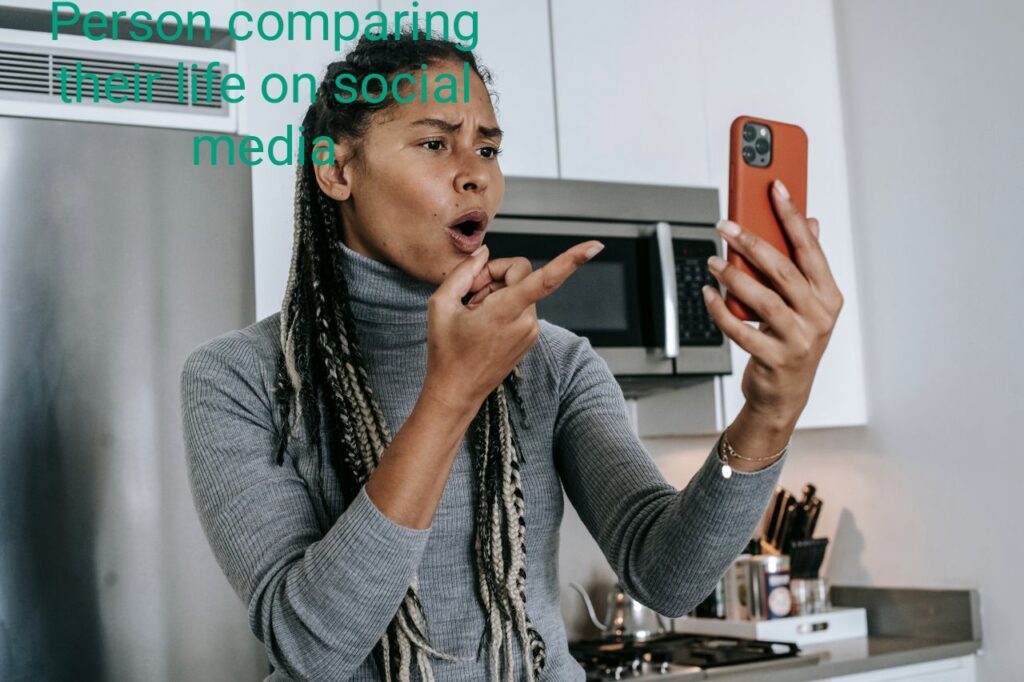
    You may want to improve your career but spend hours comparing yourself with others.

    You may want to become productive but keep waiting for the perfect time.

    You may want to become confident but constantly worry about what people think.

    You may want to move forward but spend too much time overthinking every decision.

    The problem isn’t always a lack of effort.

    Sometimes, your effort is going in the wrong direction.

    Growth begins when you become honest about what needs to change.

    Here are the first four things you should consider stopping if you genuinely want to grow in life.

    1. Stop Comparing Your Life With Others 📱

    Comparison is one of the easiest ways to lose focus.

    You see someone getting promoted.

    Someone starts a successful business.

    Someone travels frequently.

    Someone buys a new car.

    Someone becomes successful at a young age.

    And suddenly, your own progress feels small.

    But you’re comparing your behind-the-scenes with someone else’s highlight reel.

    You don’t know their complete story.

    You don’t know:

    •How long they’ve been working toward their goal

    •What challenges they’ve faced

    •What opportunities they received

    •What sacrifices they’ve made

    •What their life looks like away from social media

    Your journey doesn’t have to follow someone else’s timeline.

    What to Do Instead

    Use other people’s success as information, not a measurement of your worth.

    Instead of asking:

    “Why am I behind them?”

    Ask:

    “What can I learn from them?”

    Then return your attention to your own journey.

    Measure yourself against the person you were six months or one year ago.

    Are you:

    More skilled?

    More disciplined?

    More confident?

    Better at communication?

    Making better decisions?

    If yes, you’re progressing.

    Remember

    Someone else’s success doesn’t make your progress smaller.

    Your timeline is your own.

    2. Stop Waiting for the Perfect Time ⏳

    How many times have you told yourself:

    “I’ll start when I have more time.”

    Or:

    “I’ll do it when I’m ready.”

    This mindset can keep you stuck for years.

    There will always be another reason to wait.

    You may not have enough money.

    You may not have enough knowledge.

    You may not feel confident.

    You may have other responsibilities.

    Waiting for perfect conditions sounds reasonable, but perfect conditions rarely arrive.

    The Better Approach

    Start with what you have.

    Want to learn a skill?

    Start with 20 minutes a day.

    Want to create content?

    Publish your first imperfect piece.

    Want to improve your career?

    Start learning one relevant skill.

    Want to exercise?

    Start with a short daily walk.

    You don’t need to make a huge change overnight.

    You need to start moving.

    Progress Creates Confidence

    Many people think:

    Confidence → Action → Success

    But often the process is:

    Action → Experience → Confidence → Progress

    You become confident by doing things, making mistakes, learning, and trying again.

    So stop waiting until you feel completely ready.

    Start before you’re perfect.

    3. Stop Overthinking Every Decision 🧠

    Thinking is useful.

    Overthinking is different.

    Thinking helps you understand a problem.

    Overthinking keeps you trapped inside the problem.

    You might spend hours thinking:

    •What if I fail?

    •What will people say?

    •What if I choose the wrong career?

    •What if this doesn’t work?

    •Should I start now or later?

    Eventually, you have spent so much time thinking that you haven’t actually done anything.

    A Simple Rule

    When a decision is reversible and low-risk, don’t spend weeks analyzing it.

    Make a reasonable decision and move forward.

    You can adjust later.

    For example, you don’t need to know everything before starting a new skill.

    Start learning.

    Your experience will give you information that thinking alone cannot provide.

    Ask Yourself:

    Do I need more information—or am I simply afraid to take action?”

    That question can reveal a lot.

    Sometimes the next step isn’t another video, another course, or another plan.

    Sometimes it’s simply:start

    https://sandeepblogging.com/7-signs-youre-improving-even-if-you-dont-feel-successful-yet/

    4. Stop Seeking Everyone’s Approval 👀

    Wanting people to like you is natural.

    But allowing everyone’s opinion to control your decisions can prevent you from growing.

    You may avoid trying something because:

    “People might laugh.”

    You may avoid changing careers because:

    “What will my relatives think?”

    You may avoid creating content because:

    “What if people criticize me?”

    If you constantly seek approval, your decisions slowly become about other people’s expectations instead of your own goals.

    What to Do Instead

    Listen to feedback from people who genuinely understand your situation.

    But don’t give equal weight to every opinion.

    Ask:

    “Does this feedback come from someone whose experience or judgment I trust?”

    If the answer is no, you don’t have to let it control your direction.

    Real Confidence

    Confidence isn’t thinking:

    “Everyone will support me.”

    Confidence is thinking:

    “Even if some people don’t support me, I can still make the decision I believe is right.”

    You don’t need everyone’s approval to improve your life.

    https://sandeepblogging.com/10-mindset-truths-successful-people-rarely-talk-about/

    5. Stop Spending Hours on Unnecessary Scrolling 📱

    Your phone isn’t the problem.

    Uncontrolled use is.

    A few minutes of scrolling can easily turn into an hour. You open an app for a quick break, watch one video, and suddenly you’ve consumed dozens of pieces of content.

    The problem isn’t only the time you lose.

    It’s also the attention you lose.

    Constant notifications and endless short-form content can make it harder to concentrate on tasks that require deeper focus.

    You may tell yourself:

    “I don’t have time to learn.”

    But then spend hours consuming content that doesn’t contribute to your goals.

    Protecting your attention is one of the most valuable productivity habits.

    What to Do Instead

    Don’t try to eliminate your phone completely.

    Create boundaries.

    Try:

    •Turning off unnecessary notifications

    •Keeping your phone away while working

    •Setting specific times for social media

    •Unfollowing accounts that constantly distract you

    •Replacing some scrolling time with reading or learning

    •Using your phone intentionally instead of automatically

    Before opening an app, ask:

    Why am I opening this?”

    Remember

    Your attention is one of your most valuable resources.

    Where you repeatedly put your attention eventually influences what you learn, think about, and accomplish.

    https://sandeepblogging.com/why-you-are-busy-but-not-productive/

    6. Stop Saying “I Don’t Have Time” ⏰

    I don’t have time” is one of the most common excuses people make.

    And sometimes, it’s completely true.

    You may have a demanding job, family responsibilities, studies, or other important commitments.

    But sometimes the real problem isn’t a complete lack of time.

    It’s a lack of priority.

    Look at your typical day.

    How much time goes toward:

    •Social media?

    •Random videos?

    •Unnecessary conversations?

    •Constant notifications?

    •Repeatedly checking your phone?

    •Tasks that could be avoided or reduced?

    Now ask yourself:

    “What is important to me that I’m currently not making time for?”

    You don’t need five free hours every day to improve your life.

    You may only need 30 focused minutes.

    Thirty minutes of learning every day becomes more than 180 hours in a year.

    Thirty minutes of exercise can become a consistent health habit.

    Thirty minutes spent building a useful skill can eventually create new opportunities.

    Change the Question

    Instead of saying:

    “Where will I find the time?”

    Ask:

    “What can I make time for?”

    That small change can shift your mindset from helplessness to ownership.

    You may not control every part of your schedule.

    But you can often control some of your priorities.

    Remember:

    You don’t need more time. You need to use some of your existing time more intentionally.

    7. Stop Staying Inside Your Comfort Zone 🛑

    Your comfort zone feels safe.

    You know the routine.

    You know what to expect.

    You know what you’re good at.

    But growth usually requires some level of discomfort

    You may need to:

    •Learn something difficult

    •Speak in front of people

    •Apply for a better job

    •Start a new project

    •Ask for feedback

    •Meet new people

    •Take responsibility

    •Try something you’ve never done before

    The uncomfortable part is normal.

    It doesn’t automatically mean you’re making the wrong decision.

    Sometimes discomfort is simply a sign that you’re learning something new.

    Growth often begins when you take a reasonable step beyond what feels comfortable.

    But Don’t Confuse Growth With Recklessness

    Leaving your comfort zone doesn’t mean taking unnecessary risks.

    It means taking reasonable challenges that help you develop.

    For example:

    If public speaking scares you, don’t immediately volunteer to speak in front of 1,000 people.

    Start with a small presentation.

    If you’re afraid of creating content, don’t wait until you have perfect equipment.

    Create your first simple video.

    If you want to improve your career, don’t quit your job impulsively.

    Start learning and exploring opportunities while planning your next step.

    Use the 1% Challenge

    Every week, do one thing that makes you slightly uncomfortable but could make you better.

    It could be:

    One conversation.

    One application.

    One presentation.

    One new skill.

    One difficult task.

    Over time, these small challenges expand your capabilities.

    Remember:

    Comfort protects your current situation. Growth expands your future possibilities.

    8. Stop Learning Without Taking Action 📚

    Learning is important.

    But there is a difference between learning something and using what you learned.

    You can watch hundreds of videos about productivity without becoming productive.

    You can complete multiple courses without applying the skills.

    You can read dozens of books without changing your behavior.

    This is sometimes called passive learning—consuming information without turning it into action.

    Ask Yourself:

    What have I actually done with what I’ve learned?”

    If you learned about communication, have you practiced it?

    If you learned about content creation, have you published something?

    If you learned about productivity, have you changed your routine?

    Knowledge becomes more valuable when you apply it.

    If you’re developing professional skills, LinkedIn Learning provides courses and learning paths across areas such as business, technology, leadership, and productivity.

    https://www.linkedin.com/learning/?utm

    Try the Learn → Apply → Review Method

    Learn: Spend time understanding one useful concept.

    Apply: Use it in a real situation.

    Review: Look at what worked and what didn’t.

    Then improve and repeat.

    You don’t need to learn everything before starting.

    Learn enough to take the next step.

    9. Stop Letting Past Mistakes Define You 🧠

    Everyone makes mistakes.

    You may have made a poor career decision.

    You may have wasted time.

    You may have trusted the wrong person.

    You may have started something and quit.

    You may have missed an opportunity.

    It’s natural to regret these things.

    But there is a difference between learning from your past and living inside it.

    If you constantly tell yourself:

    “I always make bad decisions.”

    or:

    “I wasted too many years.”

    you can start treating your past as your identity.

    That’s dangerous because your past is information—not a permanent prediction of your future.

    Change the Question

    Instead of asking:

    “Why did I do that?”

    Ask:

    “What did that experience teach me?”

    Maybe you learned to:

    •Research before making decisions

    •Protect your time

    •Choose your environment carefully

    •Develop skills before chasing results

    •Think more carefully about your priorities

    A mistake becomes more useful when it becomes a lesson.

    You cannot change what happened.

    But you can change what you do next.

    Remember:

    Your past can explain you without defining you.

    10. Stop Trying to Change Everything at Once 🔥

    This is one of the biggest mistakes people make when they decide to improve their lives.

    They create a huge plan:

    Wake up at 5 AM.

    Exercise every day.

    Read 50 pages

    Learn a new skill.

    Start a business.

    Stop social media.

    Work harder.

    Eat perfectly.

    Sleep early.

    And change everything immediately.

    For a few days, they feel motivated.

    Then the routine becomes difficult.

    One habit breaks.

    Then another.

    Eventually, the entire plan disappears.

    The problem wasn’t necessarily a lack of ambition.

    The problem was trying to create too much change at once.

    Start Smaller

    Choose one or two priorities.

    For example:

    Goal: Improve your career.

    For the next 30 days:

    •Learn for 30 minutes a day

    •Spend 15 minutes improving your professional profile

    •Apply what you learn through one practical project each week

    That’s enough to begin.

    Once the habit becomes consistent, you can add something else.

    Think Long Term

    Real growth is rarely created by one extremely productive week.

    It’s created by months and years of reasonable actions repeated consistently.

    You don’t need to transform your entire life this week.

    You need to build a system you can continue next month.

    Small and sustainable beats extreme and temporary.

    Small, consistent actions can create meaningful long-term change.

    https://sandeepblogging.com/discipline-vs-motivation/

    Final Conclusion

    Personal growth isn’t always about adding more.

    Sometimes it’s about letting go.

    Let go of constant comparison.

    Let go of unnecessary scrolling.

    Let go of endless overthinking.

    Let go of the need for everyone’s approval.

    Let go of waiting for the perfect moment.

    Let go of the belief that your past determines your future.

    And let go of the idea that you need to change your entire life overnight.

    Instead:

    Focus on what matters.

    Learn useful things.

    Take action.

    Make mistakes.

    Learn from them.

    Keep improving.

    The goal isn’t to become perfect.

    The goal is to become better than the person you were yesterday.

    Remember:

    “Growth begins when you stop protecting the habits that are holding you back.”

  • 7 Signs You’re Improving Even If You Don’t Feel Successful Yet

    7 Signs You’re Improving Even If You Don’t Feel Successful Yet

    Progress is often happening before success becomes visible.

    Introduction

    Have you ever looked at your life and thought, “I’m working hard, but I’m still not successful”?Signs you’re improving

    Maybe you haven’t reached your career goals yet.

    Maybe your income hasn’t changed as much as you expected.

    Maybe other people seem to be moving faster than you.

    Or perhaps you simply don’t feel proud of your progress.

    The problem is that we often define success only by visible results.

    We look at promotions, money, followers, businesses, achievements, and recognition. When those things don’t happen quickly, we assume that nothing is changing.

    But real growth doesn’t always look impressive from the outside.

    Sometimes improvement looks like waking up earlier, controlling your phone, communicating better, learning a new skill, saying no, or recovering faster after failure.

    These changes may feel small today, but they can create significant results over time.

    Success is often the result of improvement that happened quietly before anyone noticed.

    Here are 7 signs you’re improving even if you don’t feel successful yet.

    1. You Recover Faster From Failure

    One of the strongest signs of personal growth is not avoiding failure.

    It’s recovering from it faster.

    Earlier, a mistake might have ruined your entire day—or even made you want to quit.

    Now, perhaps you still feel disappointed, but you ask:

    “What can I learn from this?”

    That’s progress.

    You are developing resilience.

    Failure doesn’t automatically become easier. You simply become better at handling it.

    Growth means learning how to rise after setbacks.

    For example:

    You apply for a job and don’t get selected.

    Instead of thinking:

    “I’m not good enough.”

    You start thinking:

    “What can I improve before my next interview?”

    That shift in thinking is valuable.

    You may not have achieved the result you wanted, but you’ve developed a better response to setbacks.

    Remember

    Progress isn’t always about failing less. Sometimes it’s about recovering faster.

    2. You’re More Disciplined Than You Used to Be

    Motivation comes and goes.

    Discipline is what helps you continue when motivation disappears.

    Maybe you used to postpone everything until you felt motivated.

    Now you complete important tasks even when you don’t feel like doing them.

    That’s a major improvement.

    You might notice that you:

    •Finish tasks on time

    •Follow a routine more consistently

    •Spend less time scrolling

    •Exercise regularly

    •Study or learn even when you’re tired

    •Keep promises you make to yourself

    These habits may not produce instant results.

    But they create something more important:

    Consistency

    And consistency compounds.

    One productive day may not change your life.

    But hundreds of productive days can completely change your skills, career, confidence, and opportunities.

    Consistency turns small daily actions into long-term progress.

    https://sandeepblogging.com/discipline-vs-motivation/

    3. You No Longer Need Everyone’s Approval

    When you’re younger, it can be easy to measure your decisions through other people’s opinions.

    You may worry about:

    •What friends think

    •What colleagues think

    •Whether people like your choices

    •Whether your career looks impressive

    •Whether your progress is visible

    But as you grow, you begin to understand something important:

    You don’t need everyone to understand your journey.

    You become more comfortable making decisions based on your goals and values.

    You can say:

    “This is what works for me.”

    without needing everyone to agree.

    That doesn’t mean ignoring feedback.

    It means learning the difference between useful feedback and unnecessary approval-seeking.

    This is a powerful form of maturity.

    Real confidence isn’t:

    “Everyone likes me.”

    It’s:

    “I can respect myself even when everyone doesn’t agree with me.”

    4. You’re Becoming More Comfortable Saying “No”

    Your time and attention are limited.

    Yet many people spend them on things that don’t move their lives forward.

    They say yes because they:

    •Don’t want to disappoint people

    •Fear missing out

    •Want to be liked

    •Feel guilty

    •Don’t know how to set boundaries

    As you grow, you start protecting your priorities.

    You learn that saying “no” to one thing can mean saying “yes” to something more important.

    For example:

    “No” to unnecessary scrolling can mean “yes” to learning.

    “No” to constant distractions can mean “yes” to your career.

    “No” to unhealthy environments can mean “yes” to your peace.

    This doesn’t mean becoming selfish.

    It means understanding that your time has value.

    If you can confidently say no to things that don’t align with your priorities, you’re probably growing more than you realize.

    5. You Care More About Skills Than Looking Successful

    One of the biggest mindset changes happens when you stop asking:

    “How successful do I look?”

    and start asking:

    “How capable am I becoming?”

    Instead of chasing appearances, you start building real skills.

    You may spend time learning:

    •Communication

    •Writing

    •Leadership

    •Technology

    •AI tools

    •Problem-solving

    •Time management

    •Industry-specific skills

    Nobody may notice immediately.

    There may be no applause

    There may not even be an immediate financial reward.

    But you’re increasing your future value.

    Think about it like planting a tree.

    For a long time, the visible progress may be small.

    Then eventually, the growth becomes obvious.

    Your skills work in a similar way.

    If you want to keep developing professional skills, LinkedIn Learning offers courses and learning paths across areas such as communication, leadership, technology, productivity, and personal development.

    https://in.linkedin.com/learning/?utm

    Build capability first. Recognition can come later.

    6. You Compare Yourself Less With Other People

    Comparison can make even successful people feel unsuccessful.

    You can have a good job and still feel behind because someone else has a better one.

    You can have a growing business and still feel unsuccessful because someone else’s business is bigger.

    You can make progress and still feel behind because social media shows you thousands of people who appear to be ahead.

    But one of the clearest signs you’re improving is when your focus slowly shifts from other people’s progress to your own.

    Instead of asking:

    “Why am I behind?”

    you start asking:

    “Am I better than I was six months ago?”

    That’s a much healthier measurement.

    Track your own progress.

    Maybe:

    •Your communication improved.

    •Your confidence increased.

    •You learned a valuable skill.

    •You became more disciplined.

    •You stopped wasting as much time.

    •You started taking action.

    These improvements matter even if nobody else notices them.

    Your progress doesn’t have to follow someone else’s timeline.

    Your real competition is often your previous self.

    https://sandeepblogging.com/10-mindset-truths-successful-people-rarely-talk-about/

    7. You Have More Clarity About What You Want

    You don’t need to have your entire life figured out.

    But you should gradually become more aware of what matters to you.

    Maybe you once wanted success simply because everyone else wanted it.

    Now you’re asking better questions:

    •What kind of work do I enjoy?

    •What skills do I want to develop?

    •What lifestyle do I want?

    •What kind of people do I want around me?

    •What does success actually mean to me?

    •What am I willing to sacrifice—and what am I not?

    This kind of self-awareness is progress.

    Sometimes growth isn’t about adding more goals.

    It’s about removing goals that were never truly yours.

    Clarity can save years of wasted effort.

    You don’t need a perfect five-year plan.

    You need enough clarity to know what your next step should be.

    Why You May Not Feel Successful Yet

    There is an important difference between progress and visible success.

    Progress can happen quietly.

    Success is often visible later.

    Think about learning a language

    For months, you practice words and sentences. You may still struggle to speak fluently.

    Does that mean you’re not improving?No

    The improvement is happening beneath the surface.

    Career growth works the same way.

    You may be:

    •Building skills

    •Developing discipline

    •Improving communication

    •Building relationships

    •Learning from mistakes

    •Becoming more confident

    But the external results may take time.

    This is why comparing your current chapter with someone else’s finished-looking chapter can be misleading.

    https://sandeepblogging.com/why-you-are-busy-but-not-productive/

    How to Recognize Your Own Progress

    If you want to know whether you’re improving, don’t only measure money or achievements.

    Ask yourself these questions:

    1. Am I more disciplined than I was last year?

    2. Do I handle setbacks better?

    3. Have I learned valuable skills?

    4. Am I making better decisions?

    5. Do I waste less time?

    6. Am I more confident in communicating?

    7. Do I understand myself better?

    If you can answer “yes” to even a few of these, you’re making progress.

    You may simply be measuring it incorrectly.

    Small improvements today can create a different future tomorrow.

    https://sandeepblogging.com/10-career-mistakes-most-people-realize-too-late/

    Conclusion

    You don’t have to feel successful to be improving.

    Sometimes you’re growing while still feeling uncertain.

    You’re developing discipline while still struggling.

    You’re building skills before anyone notices.

    You’re becoming confident while still making mistakes.

    You’re creating a better future without seeing immediate results.

    Remember these 7 signs you’re improving:

    1•You recover faster from failure.

    2•You’re becoming more disciplined.

    3•You need less approval from others.

    4•You’re more comfortable saying no.

    5•You care more about skills than appearances

    6•You compare yourself less with others.

    7•You have more clarity about what you want.

    Success isn’t always a dramatic breakthrough.

    Sometimes it’s simply becoming 1% better, more capable, and more self-aware every day.

    So before you decide that you’re not successful enough, pause and ask:

    “Am I the same person I was one year ago?”

    If the answer is no—and you’ve learned, grown, adapted, and become stronger—then you’re already making progress.

    Don’t underestimate quiet growth.

    The results you want tomorrow may be built by the small improvements you’re making today.

  • 10 Career Mistakes Most People Realize Too Late

    10 Career Mistakes Most People Realize Too Late

    Small career mistakes can create long-term consequences.

    introduction

    Most people do not make one huge career mistake.

    They make small carrier mistakes repeatedly, and only years later do they realize how much those decisions affected their growth, income, opportunities, and confidence.

    At the beginning of a career, we often focus on:

    •Getting a job

    •Earning a salary

    •Looking successful

    •Following what others are doing

    But long-term career success depends on a different set of choices:

    •What skills you build

    •Who you learn from

    •How you communicate

    •How you manage your time

    •Whether you take action early

    The difficult part is that many career mistakes do not create immediate pain. They create delayed consequences.

    For example, not learning communication may not hurt you in the first month, but it can limit promotions for years.

    In this article, we’ll explore 10 career mistakes that many people realize too late, especially students, freshers, and young professionals.

    If you avoid even a few of these mistakes early, your future can look very different.

    Why Career Mistakes Are Expensive

    Money can often be recovered.

    Time is much harder to recover.

    Imagine realizing at age 30 that you should have started learning a valuable skill at 22.

    That eight-year gap is difficult to replace.

    Career mistakes become expensive because they affect:

    •Opportunities

    •Promotions

    •Income growth

    •Confidence

    •Network

    •Skill development

    •Future choices

    The goal of this article is not to create fear.

    It is to help you make better decisions earlier.

    1. Waiting for the Perfect Opportunity ⏳

    Many people spend years waiting for:

    •The perfect job

    •The perfect company

    •The perfect timing

    •The perfect confidence

    The perfect plan

    The truth is:

    Perfect opportunities are rare.

    Good opportunities become great through action.

    Successful people often start before they feel fully ready.

    They learn, adapt, and improve while moving.

    Common Example

    A fresher rejects internships or small projects because they seem too small.

    Later they realize that experience was more valuable than waiting.

    What to Do Instead

    •Apply even if you meet 70–80% of the requirements.

    •Start with small projects.

    •Build experience early.

    •Learn while doing.

    2. Not Learning Communication Skills 🗣️

    This is one of the most underrated career mistakes.

    Many people focus only on technical skills and ignore communication.

    But in most careers, growth depends not only on what you know, but also on how well you can explain it

    Communication affects:

    •Interviews

    •Teamwork

    •Leadership

    •Networking

    •Promotions

    Client relationships

    A person with average technical skills and strong communication often progresses faster than someone with excellent skills but poor communication.

    If communication is slowing your growth, this article may help:

    https://sandeepblogging.com/stop-overthinking-and-take-action/

    Signs You Need to Improve

    •You avoid speaking in meetings.

    •You struggle to explain your ideas.

    •Your emails are unclear.

    •You feel nervous during interviews.

    What to Do Instead

    •Practice speaking daily.

    •Improve writing.

    •Ask questions.

    •Learn to explain complex ideas simply.

    To improve professional communication and workplace skills, explore:

    https://www.linkedin.com/learning/

    Strong communication often creates opportunities beyond technical skills.

    3. Ignoring Networking 🤝

    Real networking means building genuine professional relationships.

    Opportunities often come through people:

    •Job referrals

    •Mentors

    •Collaborations

    •Recommendations

    •Industry insights

    A strong network can open doors that skills alone sometimes cannot.

    The Mistake

    People start networking only when they need a job.

    The Better Approach

    Build relationships before you need help.

    •Connect with classmates.

    •Stay in touch with colleagues.

    •Engage on LinkedIn.

    •Learn from professionals in your field.

    Think of networking as long-term relationship building, not short-term benefit seeking.

    Remember:

    Career growth is not only about working hard.

    It is about taking action, communicating clearly, and building relationships.

    Professional relationships can open doors that skills alone may not.

    4. Chasing Salary Only 💰

    Salary is important. We all need financial stability.

    But one of the biggest career mistakes is choosing every opportunity based only on short-term salary.

    A higher salary with poor learning, no growth, and limited future opportunities can become a trap.

    Ask Yourself

    •Will I learn valuable skills here?

    •Will I get good mentors?

    •Will this role help me grow in the next 3–5 years?

    •Will I enjoy the work enough to improve at it?

    Example

    Imagine two jobs:

    Job A

    •Higher salary

    •Repetitive work

    •Little learning

    •No mentorship

    Job B

    •Slightly lower salary

    •Strong learning

    •Good mentors

    •Growth opportunities

    In the first year, Job A may look better.

    In five years, Job B may create a much stronger career.

    The Better Question

    Instead of asking:

    “Which job pays more today?”

    Ask:

    “Which job makes me more valuable tomorrow?”

    5. Avoiding Difficult Work 🧗

    Many people naturally choose tasks that feel easy and comfortable.

    But difficult work is often where the greatest growth happens.

    Examples

    •Presenting in front of others

    •Handling a challenging project

    •Learning a new tool

    •Taking ownership

    •Solving problems without being told exactly what to do

    These experiences build skills that are hard to learn from courses alone.

    Why This Mistake Is Common

    Difficult work comes with:

    •Fear of failure

    •Fear of judgment

    •Extra responsibility

    •Temporary discomfort

    What Successful People Do

    They do not seek difficulty for the sake of suffering.They seek growth opportunities, even when they are uncomfortable.

    Quick Tip

    Every month, choose one task that scares you slightly.That is often where growth is waiting.

    Staying busy is not the same as growing. Read:

    https://sandeepblogging.com/why-you-are-busy-but-not-productive/

    6. Not Tracking Your Skills 📊

    Many professionals work for years but cannot clearly answer:

    •What skills have I improved?

    •What skills are missing?

    •What skills are becoming valuable in my industry?

    If you do not track your skills, you may mistake experience for growth.

    Ten years of repeating the same work is not the same as ten years of improvement

    Mindset plays a huge role in career growth. Read:

    https://sandeepblogging.com/10-mindset-truths-successful-people-rarely-talk-about/

    7. Comparing Your Career With Others 🪞

    Social media has made career comparison constant.

    You see:

    •Someone getting promoted

    •Someone earning more

    •Someone starting a business

    •Someone working abroad

    •Someone becoming popular online

    What you do not see is:

    •Their starting point

    •Their struggles

    •Their support system

    •Their failures

    •Their timeline

    Comparison creates unnecessary pressure.

    A Better Comparison

    Compare yourself with yourself 6 months ago.

    Ask:

    •Have I learned something new?

    •Am I communicating better?

    •Am I more confident?

    •Am I taking more responsibility?

    •Am I closer to my goals?

    Career growth is not a race with everyone else.

    It is a process of becoming more capable over time.

    Quick Tip

    Use other people’s success for learning, not for self-doubt.

    The key lesson is:

    A successful career is built by increasing your value, not by chasing short-term validation.

    8. Staying Too Comfortable 🛋️

    Comfort is one of the biggest hidden enemies of career growth.

    When a job becomes predictable, many people stop learning.

    They know the tasks, the process, and the expectations. Everything feels safe.

    But growth rarely happens in complete comfort.

    Signs You’ve Become Too Comfortable

    •You are no longer learning new skills.

    •Your work feels automatic.

    •You avoid new responsibilities.

    •You stop seeking feedback.

    •You feel busy but not growing.

    Comfort is not always bad. The problem is staying there for too long.

    What to Do Instead

    Ask yourself every 6 months:

    “What new skill, responsibility, or challenge have I added to my career?”

    Even small challenges can create growth:

    •Leading a meeting

    •Training a junior

    •Learning a new tool

    •Taking ownership of a project

    •Improving a weak skill

    9. Not Building a Personal Brand 🌐

    Many talented people remain invisible.

    They do good work, but very few people know about it.

    In today’s professional world, visibility matters.

    A personal brand does not mean becoming an influencer.

    It means making your skills, ideas, and work visible to the right people.

    Simple Ways to Build a Personal Brand

    •Share what you learn.

    •Write on LinkedIn.

    •Create a portfolio.

    •Document projects.

    •Help others with your knowledge.

    Why It Matters

    A strong personal brand can lead to:

    •Job opportunities

    •Freelance work

    •Speaking opportunities

    •Collaborations

    •Professional credibility

    Important Reminder

    Your work should be valuable.

    Your value should also be visible.

    For career and personal branding insights, see:

    https://www.forbes.com/

    Your work should be valuable—and visible.

    10. Waiting Too Long to Take Action 🚀

    This may be the most common career mistake of all.

    People wait for:

    •More confidence

    •More knowledge

    •More time

    •More money

    •More certainty

    But action is often what creates confidence.

    Examples

    •Apply for the role.

    •Start the project.

    •Publish the post.

    •Learn the skill.

    •Ask for feedback.

    •Reach out to the mentor.

    The longer you wait, the harder the first step becomes.

    A Powerful Question

    Ask yourself:

    “What action have I been postponing for more than 30 days?”

    That action is probably important.

    How to Avoid These Career Mistakes 🧭

    You do not need a perfect career plan.

    You need a growth system.

    Monthly Career Checklist

    •learn one new skill-skill Growth

    •improve communication -carrier visibility

    •connect with one profesional -Networking

    •Track your progress-self awareness

    •share one insight publicly-personal Brand

    Small monthly improvements can create extraordinary long-term results.

    Conclusion

    Let’s recap the 10 career mistakes most people realize too late:

    •⏳ Waiting for the perfect opportunity

    •🗣️ Not learning communication skills

    •🤝 Ignoring networking

    •💰 Chasing salary only

    •🧗 Avoiding difficult work

    •📊 Not tracking your skills

    •🪞 Comparing your career with others

    •🛋️ Staying too comfortable

    •🌐 Not building a personal brand

    •🚀 Waiting too long to take action

    If I had to choose the one mistake that causes the most regret, it would be:

    Waiting too long to take action.

    Most people do not regret trying and failing.

    They regret waiting, delaying, and never starting.

    Your career will not be defined by a single decision.

    It will be defined by the small decisions you repeat consistently.

    Start learning earlier.

    Start communicating better.

    Start building relationships.

    Start taking action.

    Future you will thank you.

    💬 Which of these 10 career mistakes do you think is the most dangerous for young professionals?

    Save this article, share it with someone starting their career, and remember:

    A strong career is not built by avoiding mistakes completely—it is built by learning from them earlier than most people do.