
Multitasking may feel productive, but constant task switching often reduces focus and efficiency.
Introduction
Imagine you trying to read a book, reply to messages, check email, and watch a video at the same time
Most of us think we’re multitasking efficiently.
In reality, we’re usually switching between tasks rapidly rather than performing them simultaneously.
Modern technology encourages multitasking. Notifications arrive constantly, multiple browser tabs stay open, and social media competes for our attention every minute of the day.
While multitasking may feel productive, research and everyday experience suggest the opposite. Constant task switching often reduces productivity, increases mistakes, and leaves us mentally exhausted.
What Is Multitasking?

Every time we switch between tasks, the brain needs time to refocus, reducing productivity and increasing mental fatigue.
Multitasking is the act of handling multiple activities during the same period.
Examples include:
•Checking emails while attending a meeting
•Replying to messages while studying
•Watching videos while working
•Scrolling social media during conversations
Although it feels efficient, the brain is usually not performing all tasks at once. Instead, it rapidly shifts attention from one activity to another.
The Myth Of Being More Productive
Harvard Business Review
Single-tasking allows the brain to concentrate fully, leading to better work quality and improved focus.
Many people believe multitasking helps them get more done.
The reality is different.
Each time attention shifts, the brain requires time to refocus.
These small interruptions may seem insignificant, but they accumulate throughout the day.
As a result:
•Tasks take longer
•Concentration decreases
•Mental fatigue increases
What feels like productivity often becomes hidden inefficiency.
Why The Brain Struggles With Multitasking
Why Our Brain Can’t Focus Anymore
https://sandeepblogging.com/why-our-brain-cant-focus-anymore/
Human attention is limited.
When we switch between activities, the brain pays a cognitive cost.
Instead of dedicating full attention to one task, mental resources become divided.
This creates:
•Reduced accuracy
•Lower creativity
•Increased stress
•More mistakes
The more frequently we switch tasks, the harder it becomes to maintain deep focus.
American Psychological Association
The Cost Of Constant Task Switching
Why Short Videos Are Destroying Your Attention Span
https://sandeepblogging.com/why-short-videos-are-destroying-your-attention-span/
•Consider a typical workday.
•You begin writing a report.
•A notification appears.
•You check your phone.
•Then an email arrives.
Next, you open social media for a quick look.
Within minutes, your attention has shifted multiple times.
Even when returning to the original task, your brain needs time to regain momentum.
This process repeats throughout the day, reducing overall productivity.
How Multitasking Affects Learning
Students often study while watching videos or checking social media.
Although it feels manageable, information retention usually suffers.
Learning requires focused attention.
When attention is divided, comprehension becomes weaker and memory formation becomes less effective.
This is one reason many people spend hours studying yet remember very little afterward
The Link Between Multitasking And Stress
Hidden Stress Behind Notifications
https://sandeepblogging.com/hidden-stress-behind-notifications/
Multitasking creates a constant sense of urgency.
Notifications, messages, and unfinished tasks compete for attention simultaneously.
This can create mental overload and increase feelings of stress.
Over time, the habit may contribute to burnout, fatigue, and difficulty concentrating.
What To Do Instead: Single-Tasking

Single-tasking allows the brain to concentrate fully, leading to better work quality and improved focus.
Single-tasking means focusing on one activity at a time.
It sounds simple, but it can dramatically improve productivity.
Benefits include:
•Better concentration
•Higher-quality work
•Faster completion times
•Reduced stress
When attention remains on a single task, the brain works more efficiently.
Practical Tips To Stop Multitasking
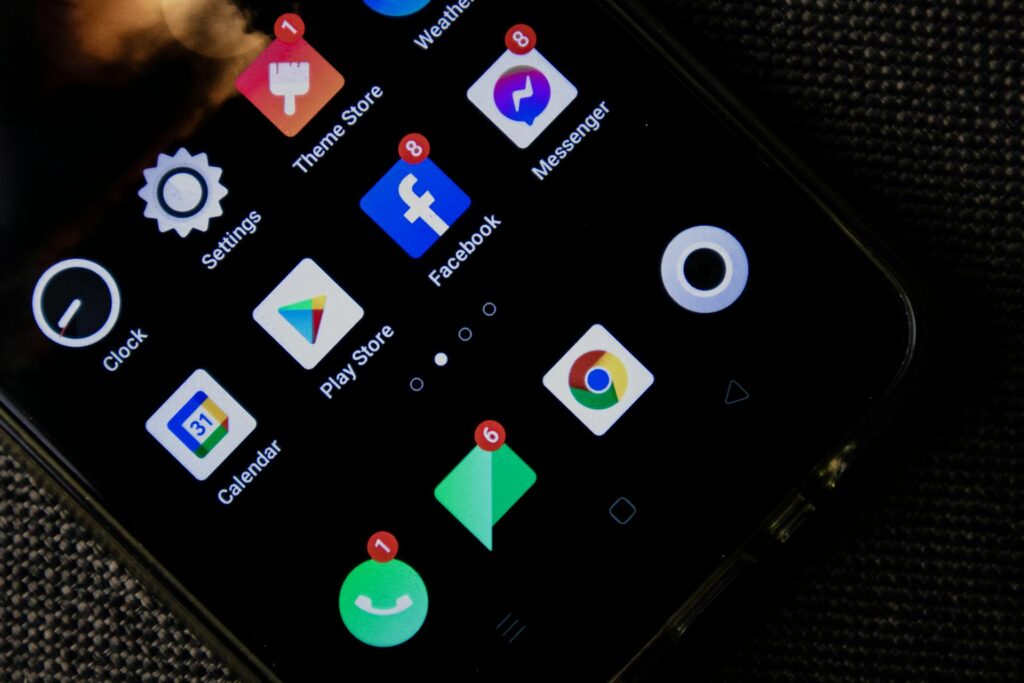
Frequent notifications interrupt deep work and train the brain to seek constant stimulation.
1•Turn off unnecessary notifications.
2•Keep only essential tabs open.
3•Schedule specific times for email.
4•Use focus sessions of 25–50 minutes.
5•Place your phone away while working.
6•Complete one important task before starting another.