Big changes don’t always require big actions. Sometimes, small habits that can change your life and create the biggest difference in your life.
You don’t need to completely change your lifestyle overnight. You simply need to make a few better choices consistently.
Whether you want to become more productive, disciplined, focused, confident, or healthier, your daily habits play an important role.
The good news is that you don’t have to wait for a new year or a perfect Monday to begin.
Start today.
Here are 09 small habits that can help you improve your life in just 30 days.
1. Start Your Day With a Simple Plan
How you start your morning can influence the rest of your day.
Instead of immediately checking social media, messages, or notifications, spend a few minutes deciding what actually matters today.
Write down three important tasks you want to complete.
They don’t have to be huge goals. They can be simple things such as finishing an important assignment, completing a workout, reading, or working on a personal project.
A simple plan gives your day direction.
Try this: Every morning, write your top three priorities.
2. Spend 30 Minutes Learning
Your skills can shape your future.
You don’t need to spend five hours studying every day. Even 30 minutes of focused learning can become meaningful when you repeat it consistently.
Read a book, take an online course, learn a digital skill, improve your communication, or explore a subject that interests you.
The key is consistency.
Thirty minutes a day adds up to many hours of learning over a month.
But remember: don’t just collect information. Try to apply what you learn.
Try this: Choose one skill and dedicate 30 minutes to it every day for 30 days.
3. Reduce Unnecessary Phone Time
Your phone can be useful, but constant scrolling can quietly consume hours of your day.
You may open your phone for five minutes and suddenly realize that thirty or sixty minutes have passed.
The solution isn’t necessarily to stop using your phone completely.
Instead, become more intentional.
Turn off unnecessary notifications. Remove distracting apps from your home screen. Set specific times for social media and avoid checking your phone whenever you feel bored.
The goal isn’t to use your phone less just for the sake of it.
Try this: Start a 30-minute screen-free routine before bed.
A simple night routine can help you end the day with intention.
Final Thoughts
Your life is largely shaped by what you repeatedly do.One productive morning won’t transform your life.One workout won’t make you healthy.One book won’t completely change your thinking.
But repeating small positive actions can gradually create a different lifestyle.The goal of these habits isn’t to make you perfect.The goal is to help you become more intentional with your time, attention, health, learning, and decisions.
Start with one habit.Practice it for 30 days.Then build from there.
Small habits may look insignificant today, but repeated consistently, they can create a completely different tomorrow.Start small. Stay consistent. Keep growing.
Mental strength is not about avoiding challenges—it is about learning how to handle them.
introduction
Mental strength doesn’t mean that you never feel stressed, afraid, disappointed, or tired.mentally strong people
Everyone experiences difficult emotions and challenging situations. The difference is often in how we respond to them.
Mentally strong people don’t have perfect lives. They face rejection, failure, criticism, uncertainty, and setbacks just like everyone else. But they develop habits that help them handle these situations more thoughtfully.
Mental strength is not something you are simply born with. It can be developed through awareness, practice, and consistent effort.
Here are 10 things mentally strong people do differently and how you can start developing these qualities in your own life.
1. They Think Before They React
One of the most important signs of mental strength is the ability to pause before reacting.
When something goes wrong, an emotional reaction can happen automatically. You might send an angry message, say something you later regret, or make a decision based on frustration.
Mentally strong people try to create a small gap between the situation and their response.
This doesn’t mean ignoring emotions. It means giving yourself enough time to understand them before acting.
Try this:
When you feel angry or frustrated, pause for a few seconds, take a breath, and then decide how you want to respond.
Sometimes the strongest response is to pause, think, and then respond.
Mental strength begins with choosing your response instead of being controlled by your reaction.
2. They Focus on What They Can Control
Life contains many things you cannot control.
You cannot control what other people think, how they behave, or what has already happened.
But you can control your own actions, decisions, effort, and attitude.
Mentally strong people try to focus their energy on these controllable areas instead of constantly worrying about things outside their influence.
For example, you may not control whether someone accepts your job application. But you can control how well you prepare, how many opportunities you pursue, and what you learn from the experience.
The goal isn’t to avoid every failure. It’s to become better at learning from it.
Failure can become a lesson when you use it to improve.
4. They Don’t Depend on Everyone’s Approval
Wanting to be accepted is natural. But constantly depending on other people’s approval can make you lose sight of your own values.
Mentally strong people listen to useful feedback, but they don’t allow every opinion to determine their self-worth.
Not everyone will understand your decisions.
Not everyone will agree with your goals.
And not everyone will like you.
That’s okay.
Instead of asking, “What will everyone think?”, try asking:
“Is this decision consistent with my values and goals?”
Learning to make thoughtful decisions without constantly seeking validation can build confidence.
5. They Set Healthy Boundaries
Mental strength also means knowing your limits.
You don’t have unlimited time, energy, or attention. Constantly saying yes to everything can leave you overwhelmed and distracted from your own priorities.
Healthy boundaries allow you to communicate what you can and cannot do.
For example:
“I can’t take this on right now.”
”I need some time to think about it.”
“I’m not comfortable with that.”
Setting boundaries doesn’t mean being rude or selfish. It means respecting yourself while also communicating respectfully with others.
Genuine respect is earned through character, actions, and consistency.
Introduction
Respect cannot be demanded. qualities that make people respect you It is earned through the way you behave, communicate, and treat yourself and others.
You don’t need to be the loudest person in the room, have the highest position, or impress everyone around you to earn respect.
In everyday life, people tend to respect those who are reliable, confident, emotionally mature, responsible, and consistent.
The good news is that these qualities can be developed.
Here are 7 qualities that make people respect you and practical ways to build them.
1. Keep Your Word
One of the simplest ways to earn respect is to do what you say you will do.
If you promise to complete something, try your best to complete it. If you tell someone you will be there, show up. When your words consistently match your actions, people learn that they can trust you.
You don’t have to make big promises.
In fact, making fewer promises and keeping them is often better than making many promises and failing to deliver.
How to develop this quality
•Don’t promise something you cannot realistically do.
•Write down important commitments
•Complete tasks within the agreed time.
•If something genuinely goes wrong, communicate honestly instead of disappearing.
Real-life lesson: Your reputation is built through repeated actions, not impressive
words.
Trust grows when your actions consistently match your words.
•Put your phone away during important conversations.
•Don’t interrupt unnecessarily.
•Ask questions when you don’t understand.
•Think about what the other person is actually saying.
•Avoid immediately turning every conversation back to yourself.
People remember how you made them feel.
Real-life lesson: You can earn respect by making people feel heard, not just by making yourself heard.
3. Set Healthy Boundaries
Respecting yourself means understanding that you don’t have to say yes to everything.
Sometimes people become frustrated because they are constantly available, constantly helping others, or accepting behavior they are uncomfortable with.
Healthy boundaries allow you to protect your time, energy, and priorities.
Setting boundaries does not mean becoming rude or selfish.
It means communicating clearly about what you can and cannot accept.
Examples of healthy boundaries
Instead of automatically saying yes, you can say:
“I can’t take this on right now.”
Or:
“I need some time to think about it.”
You don’t always need a long explanation.
How to build better boundaries
•Learn to say no respectfully.
•Don’t feel obligated to please everyone.
•Protect important personal time.
•Communicate your limits clearly.
•Don’t tolerate repeated disrespect.
Listening carefully and communicating boundaries are signs of emotional maturity.
Real-life lesson: When you respect your own time and boundaries, you teach others how to treat you.
Sometimes growth begins by letting go of what is holding you back,
Introduction
Sometimes, personal growth isn’t about doing more.things to stop doing to grow in life
It’s about stopping the things that are holding you back.
We often add more goals, more courses, more routines, and more responsibilities to our lives. But at the same time, we continue habits that consume our time, energy, confidence, and attention
You may want to improve your career but spend hours comparing yourself with others.
You may want to become productive but keep waiting for the perfect time.
You may want to become confident but constantly worry about what people think.
You may want to move forward but spend too much time overthinking every decision.
The problem isn’t always a lack of effort.
Sometimes, your effort is going in the wrong direction.
Growth begins when you become honest about what needs to change.
Here are the first four things you should consider stopping if you genuinely want to grow in life.
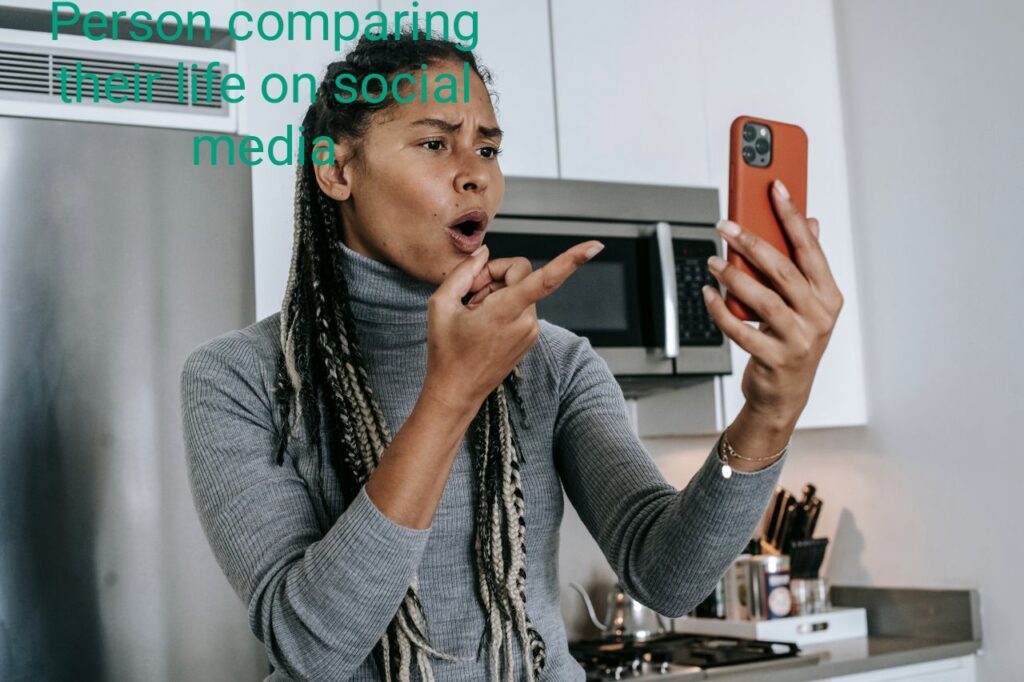
1. Stop Comparing Your Life With Others 📱
Comparison is one of the easiest ways to lose focus.
You see someone getting promoted.
Someone starts a successful business.
Someone travels frequently.
Someone buys a new car.
Someone becomes successful at a young age.
And suddenly, your own progress feels small.
But you’re comparing your behind-the-scenes with someone else’s highlight reel.
You don’t know their complete story.
You don’t know:
•How long they’ve been working toward their goal
•What challenges they’ve faced
•What opportunities they received
•What sacrifices they’ve made
•What their life looks like away from social media
Your journey doesn’t have to follow someone else’s timeline.
What to Do Instead
Use other people’s success as information, not a measurement of your worth.
Instead of asking:
“Why am I behind them?”
Ask:
“What can I learn from them?”
Then return your attention to your own journey.
Measure yourself against the person you were six months or one year ago.
Are you:
More skilled?
More disciplined?
More confident?
Better at communication?
Making better decisions?
If yes, you’re progressing.
Remember
Someone else’s success doesn’t make your progress smaller.
Your timeline is your own.
2. Stop Waiting for the Perfect Time ⏳
How many times have you told yourself:
“I’ll start when I have more time.”
Or:
“I’ll do it when I’m ready.”
This mindset can keep you stuck for years.
There will always be another reason to wait.
You may not have enough money.
You may not have enough knowledge.
You may not feel confident.
You may have other responsibilities.
Waiting for perfect conditions sounds reasonable, but perfect conditions rarely arrive.
The Better Approach
Start with what you have.
Want to learn a skill?
Start with 20 minutes a day.
Want to create content?
Publish your first imperfect piece.
Want to improve your career?
Start learning one relevant skill.
Want to exercise?
Start with a short daily walk.
You don’t need to make a huge change overnight.
You need to start moving.
Progress Creates Confidence
Many people think:
Confidence → Action → Success
But often the process is:
Action → Experience → Confidence → Progress
You become confident by doing things, making mistakes, learning, and trying again.
So stop waiting until you feel completely ready.
Start before you’re perfect.
3. Stop Overthinking Every Decision 🧠
Thinking is useful.
Overthinking is different.
Thinking helps you understand a problem.
Overthinking keeps you trapped inside the problem.
You might spend hours thinking:
•What if I fail?
•What will people say?
•What if I choose the wrong career?
•What if this doesn’t work?
•Should I start now or later?
Eventually, you have spent so much time thinking that you haven’t actually done anything.
A Simple Rule
When a decision is reversible and low-risk, don’t spend weeks analyzing it.
Make a reasonable decision and move forward.
You can adjust later.
For example, you don’t need to know everything before starting a new skill.
Start learning.
Your experience will give you information that thinking alone cannot provide.
Ask Yourself:
Do I need more information—or am I simply afraid to take action?”
That question can reveal a lot.
Sometimes the next step isn’t another video, another course, or another plan.
A few minutes of scrolling can easily turn into an hour. You open an app for a quick break, watch one video, and suddenly you’ve consumed dozens of pieces of content.
The problem isn’t only the time you lose.
It’s also the attention you lose.
Constant notifications and endless short-form content can make it harder to concentrate on tasks that require deeper focus.
You may tell yourself:
“I don’t have time to learn.”
But then spend hours consuming content that doesn’t contribute to your goals.
Protecting your attention is one of the most valuable productivity habits.
What to Do Instead
Don’t try to eliminate your phone completely.
Create boundaries.
Try:
•Turning off unnecessary notifications
•Keeping your phone away while working
•Setting specific times for social media
•Unfollowing accounts that constantly distract you
•Replacing some scrolling time with reading or learning
•Using your phone intentionally instead of automatically
Before opening an app, ask:
Why am I opening this?”
Remember
Your attention is one of your most valuable resources.
Where you repeatedly put your attention eventually influences what you learn, think about, and accomplish.
I don’t have time” is one of the most common excuses people make.
And sometimes, it’s completely true.
You may have a demanding job, family responsibilities, studies, or other important commitments.
But sometimes the real problem isn’t a complete lack of time.
It’s a lack of priority.
Look at your typical day.
How much time goes toward:
•Social media?
•Random videos?
•Unnecessary conversations?
•Constant notifications?
•Repeatedly checking your phone?
•Tasks that could be avoided or reduced?
Now ask yourself:
“What is important to me that I’m currently not making time for?”
You don’t need five free hours every day to improve your life.
You may only need 30 focused minutes.
Thirty minutes of learning every day becomes more than 180 hours in a year.
Thirty minutes of exercise can become a consistent health habit.
Thirty minutes spent building a useful skill can eventually create new opportunities.
Change the Question
Instead of saying:
“Where will I find the time?”
Ask:
“What can I make time for?”
That small change can shift your mindset from helplessness to ownership.
You may not control every part of your schedule.
But you can often control some of your priorities.
Remember:
You don’t need more time. You need to use some of your existing time more intentionally.
7. Stop Staying Inside Your Comfort Zone 🛑
Your comfort zone feels safe.
You know the routine.
You know what to expect.
You know what you’re good at.
But growth usually requires some level of discomfort
You may need to:
•Learn something difficult
•Speak in front of people
•Apply for a better job
•Start a new project
•Ask for feedback
•Meet new people
•Take responsibility
•Try something you’ve never done before
The uncomfortable part is normal.
It doesn’t automatically mean you’re making the wrong decision.
Sometimes discomfort is simply a sign that you’re learning something new.
Growth often begins when you take a reasonable step beyond what feels comfortable.
But Don’t Confuse Growth With Recklessness
Leaving your comfort zone doesn’t mean taking unnecessary risks.
It means taking reasonable challenges that help you develop.
For example:
If public speaking scares you, don’t immediately volunteer to speak in front of 1,000 people.
Start with a small presentation.
If you’re afraid of creating content, don’t wait until you have perfect equipment.
Create your first simple video.
If you want to improve your career, don’t quit your job impulsively.
Start learning and exploring opportunities while planning your next step.
Use the 1% Challenge
Every week, do one thing that makes you slightly uncomfortable but could make you better.
It could be:
One conversation.
One application.
One presentation.
One new skill.
One difficult task.
Over time, these small challenges expand your capabilities.
Remember:
Comfort protects your current situation. Growth expands your future possibilities.
8. Stop Learning Without Taking Action 📚
Learning is important.
But there is a difference between learning something and using what you learned.
You can watch hundreds of videos about productivity without becoming productive.
You can complete multiple courses without applying the skills.
You can read dozens of books without changing your behavior.
This is sometimes called passive learning—consuming information without turning it into action.
Ask Yourself:
What have I actually done with what I’ve learned?”
If you learned about communication, have you practiced it?
If you learned about content creation, have you published something?
If you learned about productivity, have you changed your routine?
Knowledge becomes more valuable when you apply it.
If you’re developing professional skills, LinkedIn Learning provides courses and learning paths across areas such as business, technology, leadership, and productivity.
Progress is often happening before success becomes visible.
Introduction
Have you ever looked at your life and thought, “I’m working hard, but I’m still not successful”?Signs you’re improving
Maybe you haven’t reached your career goals yet.
Maybe your income hasn’t changed as much as you expected.
Maybe other people seem to be moving faster than you.
Or perhaps you simply don’t feel proud of your progress.
The problem is that we often define success only by visible results.
We look at promotions, money, followers, businesses, achievements, and recognition. When those things don’t happen quickly, we assume that nothing is changing.
But real growth doesn’t always look impressive from the outside.
Sometimes improvement looks like waking up earlier, controlling your phone, communicating better, learning a new skill, saying no, or recovering faster after failure.
These changes may feel small today, but they can create significant results over time.
Success is often the result of improvement that happened quietly before anyone noticed.
Here are 7 signs you’re improving even if you don’t feel successful yet.
1. You Recover Faster From Failure
One of the strongest signs of personal growth is not avoiding failure.
It’s recovering from it faster.
Earlier, a mistake might have ruined your entire day—or even made you want to quit.
Now, perhaps you still feel disappointed, but you ask:
“What can I learn from this?”
That’s progress.
You are developing resilience.
Failure doesn’t automatically become easier. You simply become better at handling it.
Growth means learning how to rise after setbacks.
For example:
You apply for a job and don’t get selected.
Instead of thinking:
“I’m not good enough.”
You start thinking:
“What can I improve before my next interview?”
That shift in thinking is valuable.
You may not have achieved the result you wanted, but you’ve developed a better response to setbacks.
Remember
Progress isn’t always about failing less. Sometimes it’s about recovering faster.
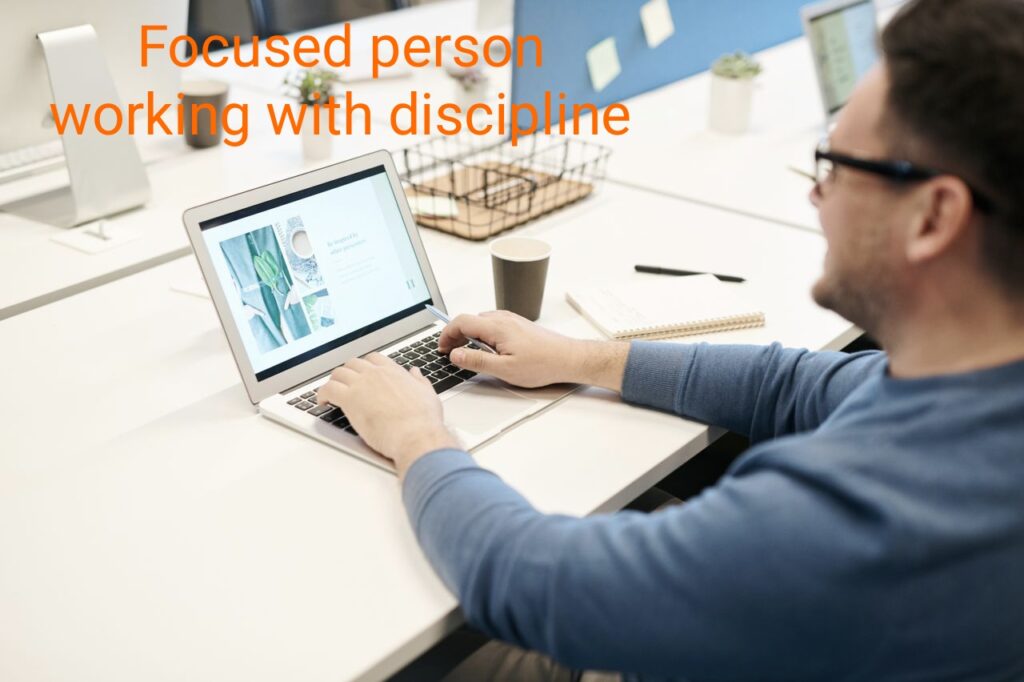
2. You’re More Disciplined Than You Used to Be
Motivation comes and goes.
Discipline is what helps you continue when motivation disappears.
Maybe you used to postpone everything until you felt motivated.
Now you complete important tasks even when you don’t feel like doing them.
That’s a major improvement.
You might notice that you:
•Finish tasks on time
•Follow a routine more consistently
•Spend less time scrolling
•Exercise regularly
•Study or learn even when you’re tired
•Keep promises you make to yourself
These habits may not produce instant results.
But they create something more important:
Consistency
And consistency compounds.
One productive day may not change your life.
But hundreds of productive days can completely change your skills, career, confidence, and opportunities.
Consistency turns small daily actions into long-term progress.
When you’re younger, it can be easy to measure your decisions through other people’s opinions.
You may worry about:
•What friends think
•What colleagues think
•Whether people like your choices
•Whether your career looks impressive
•Whether your progress is visible
But as you grow, you begin to understand something important:
You don’t need everyone to understand your journey.
You become more comfortable making decisions based on your goals and values.
You can say:
“This is what works for me.”
without needing everyone to agree.
That doesn’t mean ignoring feedback.
It means learning the difference between useful feedback and unnecessary approval-seeking.
This is a powerful form of maturity.
Real confidence isn’t:
“Everyone likes me.”
It’s:
“I can respect myself even when everyone doesn’t agree with me.”
4. You’re Becoming More Comfortable Saying “No”
Your time and attention are limited.
Yet many people spend them on things that don’t move their lives forward.
They say yes because they:
•Don’t want to disappoint people
•Fear missing out
•Want to be liked
•Feel guilty
•Don’t know how to set boundaries
As you grow, you start protecting your priorities.
You learn that saying “no” to one thing can mean saying “yes” to something more important.
For example:
“No” to unnecessary scrolling can mean “yes” to learning.
“No” to constant distractions can mean “yes” to your career.
“No” to unhealthy environments can mean “yes” to your peace.
This doesn’t mean becoming selfish.
It means understanding that your time has value.
If you can confidently say no to things that don’t align with your priorities, you’re probably growing more than you realize.
5. You Care More About Skills Than Looking Successful
One of the biggest mindset changes happens when you stop asking:
“How successful do I look?”
and start asking:
“How capable am I becoming?”
Instead of chasing appearances, you start building real skills.
You may spend time learning:
•Communication
•Writing
•Leadership
•Technology
•AI tools
•Problem-solving
•Time management
•Industry-specific skills
Nobody may notice immediately.
There may be no applause
There may not even be an immediate financial reward.
But you’re increasing your future value.
Think about it like planting a tree.
For a long time, the visible progress may be small.
Then eventually, the growth becomes obvious.
Your skills work in a similar way.
If you want to keep developing professional skills, LinkedIn Learning offers courses and learning paths across areas such as communication, leadership, technology, productivity, and personal development.