Tag: Career Growth

  • 10 Career Mistakes Most People Realize Too Late

    10 Career Mistakes Most People Realize Too Late

    Small career mistakes can create long-term consequences.

    introduction

    Most people do not make one huge career mistake.

    They make small carrier mistakes repeatedly, and only years later do they realize how much those decisions affected their growth, income, opportunities, and confidence.

    At the beginning of a career, we often focus on:

    •Getting a job

    •Earning a salary

    •Looking successful

    •Following what others are doing

    But long-term career success depends on a different set of choices:

    •What skills you build

    •Who you learn from

    •How you communicate

    •How you manage your time

    •Whether you take action early

    The difficult part is that many career mistakes do not create immediate pain. They create delayed consequences.

    For example, not learning communication may not hurt you in the first month, but it can limit promotions for years.

    In this article, we’ll explore 10 career mistakes that many people realize too late, especially students, freshers, and young professionals.

    If you avoid even a few of these mistakes early, your future can look very different.

    Why Career Mistakes Are Expensive

    Money can often be recovered.

    Time is much harder to recover.

    Imagine realizing at age 30 that you should have started learning a valuable skill at 22.

    That eight-year gap is difficult to replace.

    Career mistakes become expensive because they affect:

    •Opportunities

    •Promotions

    •Income growth

    •Confidence

    •Network

    •Skill development

    •Future choices

    The goal of this article is not to create fear.

    It is to help you make better decisions earlier.

    1. Waiting for the Perfect Opportunity ⏳

    Many people spend years waiting for:

    •The perfect job

    •The perfect company

    •The perfect timing

    •The perfect confidence

    The perfect plan

    The truth is:

    Perfect opportunities are rare.

    Good opportunities become great through action.

    Successful people often start before they feel fully ready.

    They learn, adapt, and improve while moving.

    Common Example

    A fresher rejects internships or small projects because they seem too small.

    Later they realize that experience was more valuable than waiting.

    What to Do Instead

    •Apply even if you meet 70–80% of the requirements.

    •Start with small projects.

    •Build experience early.

    •Learn while doing.

    2. Not Learning Communication Skills 🗣️

    This is one of the most underrated career mistakes.

    Many people focus only on technical skills and ignore communication.

    But in most careers, growth depends not only on what you know, but also on how well you can explain it

    Communication affects:

    •Interviews

    •Teamwork

    •Leadership

    •Networking

    •Promotions

    Client relationships

    A person with average technical skills and strong communication often progresses faster than someone with excellent skills but poor communication.

    If communication is slowing your growth, this article may help:

    https://sandeepblogging.com/stop-overthinking-and-take-action/

    Signs You Need to Improve

    •You avoid speaking in meetings.

    •You struggle to explain your ideas.

    •Your emails are unclear.

    •You feel nervous during interviews.

    What to Do Instead

    •Practice speaking daily.

    •Improve writing.

    •Ask questions.

    •Learn to explain complex ideas simply.

    To improve professional communication and workplace skills, explore:

    https://www.linkedin.com/learning/

    Strong communication often creates opportunities beyond technical skills.

    3. Ignoring Networking 🤝

    Real networking means building genuine professional relationships.

    Opportunities often come through people:

    •Job referrals

    •Mentors

    •Collaborations

    •Recommendations

    •Industry insights

    A strong network can open doors that skills alone sometimes cannot.

    The Mistake

    People start networking only when they need a job.

    The Better Approach

    Build relationships before you need help.

    •Connect with classmates.

    •Stay in touch with colleagues.

    •Engage on LinkedIn.

    •Learn from professionals in your field.

    Think of networking as long-term relationship building, not short-term benefit seeking.

    Remember:

    Career growth is not only about working hard.

    It is about taking action, communicating clearly, and building relationships.

    Professional relationships can open doors that skills alone may not.

    4. Chasing Salary Only 💰

    Salary is important. We all need financial stability.

    But one of the biggest career mistakes is choosing every opportunity based only on short-term salary.

    A higher salary with poor learning, no growth, and limited future opportunities can become a trap.

    Ask Yourself

    •Will I learn valuable skills here?

    •Will I get good mentors?

    •Will this role help me grow in the next 3–5 years?

    •Will I enjoy the work enough to improve at it?

    Example

    Imagine two jobs:

    Job A

    •Higher salary

    •Repetitive work

    •Little learning

    •No mentorship

    Job B

    •Slightly lower salary

    •Strong learning

    •Good mentors

    •Growth opportunities

    In the first year, Job A may look better.

    In five years, Job B may create a much stronger career.

    The Better Question

    Instead of asking:

    “Which job pays more today?”

    Ask:

    “Which job makes me more valuable tomorrow?”

    5. Avoiding Difficult Work 🧗

    Many people naturally choose tasks that feel easy and comfortable.

    But difficult work is often where the greatest growth happens.

    Examples

    •Presenting in front of others

    •Handling a challenging project

    •Learning a new tool

    •Taking ownership

    •Solving problems without being told exactly what to do

    These experiences build skills that are hard to learn from courses alone.

    Why This Mistake Is Common

    Difficult work comes with:

    •Fear of failure

    •Fear of judgment

    •Extra responsibility

    •Temporary discomfort

    What Successful People Do

    They do not seek difficulty for the sake of suffering.They seek growth opportunities, even when they are uncomfortable.

    Quick Tip

    Every month, choose one task that scares you slightly.That is often where growth is waiting.

    Staying busy is not the same as growing. Read:

    https://sandeepblogging.com/why-you-are-busy-but-not-productive/

    6. Not Tracking Your Skills 📊

    Many professionals work for years but cannot clearly answer:

    •What skills have I improved?

    •What skills are missing?

    •What skills are becoming valuable in my industry?

    If you do not track your skills, you may mistake experience for growth.

    Ten years of repeating the same work is not the same as ten years of improvement

    Mindset plays a huge role in career growth. Read:

    https://sandeepblogging.com/10-mindset-truths-successful-people-rarely-talk-about/

    7. Comparing Your Career With Others 🪞

    Social media has made career comparison constant.

    You see:

    •Someone getting promoted

    •Someone earning more

    •Someone starting a business

    •Someone working abroad

    •Someone becoming popular online

    What you do not see is:

    •Their starting point

    •Their struggles

    •Their support system

    •Their failures

    •Their timeline

    Comparison creates unnecessary pressure.

    A Better Comparison

    Compare yourself with yourself 6 months ago.

    Ask:

    •Have I learned something new?

    •Am I communicating better?

    •Am I more confident?

    •Am I taking more responsibility?

    •Am I closer to my goals?

    Career growth is not a race with everyone else.

    It is a process of becoming more capable over time.

    Quick Tip

    Use other people’s success for learning, not for self-doubt.

    The key lesson is:

    A successful career is built by increasing your value, not by chasing short-term validation.

    8. Staying Too Comfortable 🛋️

    Comfort is one of the biggest hidden enemies of career growth.

    When a job becomes predictable, many people stop learning.

    They know the tasks, the process, and the expectations. Everything feels safe.

    But growth rarely happens in complete comfort.

    Signs You’ve Become Too Comfortable

    •You are no longer learning new skills.

    •Your work feels automatic.

    •You avoid new responsibilities.

    •You stop seeking feedback.

    •You feel busy but not growing.

    Comfort is not always bad. The problem is staying there for too long.

    What to Do Instead

    Ask yourself every 6 months:

    “What new skill, responsibility, or challenge have I added to my career?”

    Even small challenges can create growth:

    •Leading a meeting

    •Training a junior

    •Learning a new tool

    •Taking ownership of a project

    •Improving a weak skill

    9. Not Building a Personal Brand 🌐

    Many talented people remain invisible.

    They do good work, but very few people know about it.

    In today’s professional world, visibility matters.

    A personal brand does not mean becoming an influencer.

    It means making your skills, ideas, and work visible to the right people.

    Simple Ways to Build a Personal Brand

    •Share what you learn.

    •Write on LinkedIn.

    •Create a portfolio.

    •Document projects.

    •Help others with your knowledge.

    Why It Matters

    A strong personal brand can lead to:

    •Job opportunities

    •Freelance work

    •Speaking opportunities

    •Collaborations

    •Professional credibility

    Important Reminder

    Your work should be valuable.

    Your value should also be visible.

    For career and personal branding insights, see:

    https://www.forbes.com/

    Your work should be valuable—and visible.

    10. Waiting Too Long to Take Action 🚀

    This may be the most common career mistake of all.

    People wait for:

    •More confidence

    •More knowledge

    •More time

    •More money

    •More certainty

    But action is often what creates confidence.

    Examples

    •Apply for the role.

    •Start the project.

    •Publish the post.

    •Learn the skill.

    •Ask for feedback.

    •Reach out to the mentor.

    The longer you wait, the harder the first step becomes.

    A Powerful Question

    Ask yourself:

    “What action have I been postponing for more than 30 days?”

    That action is probably important.

    How to Avoid These Career Mistakes 🧭

    You do not need a perfect career plan.

    You need a growth system.

    Monthly Career Checklist

    •learn one new skill-skill Growth

    •improve communication -carrier visibility

    •connect with one profesional -Networking

    •Track your progress-self awareness

    •share one insight publicly-personal Brand

    Small monthly improvements can create extraordinary long-term results.

    Conclusion

    Let’s recap the 10 career mistakes most people realize too late:

    •⏳ Waiting for the perfect opportunity

    •🗣️ Not learning communication skills

    •🤝 Ignoring networking

    •💰 Chasing salary only

    •🧗 Avoiding difficult work

    •📊 Not tracking your skills

    •🪞 Comparing your career with others

    •🛋️ Staying too comfortable

    •🌐 Not building a personal brand

    •🚀 Waiting too long to take action

    If I had to choose the one mistake that causes the most regret, it would be:

    Waiting too long to take action.

    Most people do not regret trying and failing.

    They regret waiting, delaying, and never starting.

    Your career will not be defined by a single decision.

    It will be defined by the small decisions you repeat consistently.

    Start learning earlier.

    Start communicating better.

    Start building relationships.

    Start taking action.

    Future you will thank you.

    💬 Which of these 10 career mistakes do you think is the most dangerous for young professionals?

    Save this article, share it with someone starting their career, and remember:

    A strong career is not built by avoiding mistakes completely—it is built by learning from them earlier than most people do.

  • 10 FutureSkills You Need to Learn for the Next 10 Years

    10 FutureSkills You Need to Learn for the Next 10 Years

    The skills you build today can prepare you for tomorrow’s opportunities.

    Introduction

    The world is changing faster than ever before.

    Technology is evolving, industries are transforming, and new opportunities are being created every year. Many jobs that exist today may look completely different in the future, while entirely new careers will continue to emerge

    In this rapidly changing world, relying only on a degree or past knowledge may not be enough. The people who continue learning, adapting, and developing valuable skills are often better prepared for future opportunities.

    The good news is that you don’t need to master everything overnight.

    You can start with one skill, practice consistently, and gradually build a strong foundation for long-term growth.

    Future-proofing your career isn’t about predicting exactly what will happen. It’s about developing skills that remain useful regardless of changes in technology, industries, or job roles.

    In this article, we will discover 10 important future skills that can help you stay relevant, adaptable, and prepared for the next 10 years.

    Why Future Skills Matter

    Learning future skills isn’t just about getting a better job.

    These skills can help you:

    •Adapt to changing technology.

    •Solve problems more effectively.

    •Communicate your ideas clearly.

    •Increase productivity.

    •Make better decisions.

    •Continue growing personally and professionally.

    •Stay competitive in an evolving world.

    The ability to learn, adapt, and improve may become one of the most valuable advantages in the future.

    Remember:

    Your future opportunities are often influenced by the skills you build today.

    1. AI Literacy

    Artificial Intelligence is becoming part of everyday life.

    From writing tools and productivity apps to customer service and data analysis, AI is already changing the way people work.

    You don’t need to become an AI engineer to benefit from AI.

    However, understanding how to use AI tools effectively can help you save time, improve productivity, and work more efficiently

    Learning how to ask better questions, analyze AI-generated information, and use AI responsibly may become increasingly valuable in the coming years.

    Quick Tip: Start exploring one AI tool and learn how it can help you in your daily work or studies.

    https://www.weforum.org/publications/the-future-of-jobs-report-2025/

    AI literacy is becoming an essential skill in the modern workplace.

    2. Communication Skills

    No matter how advanced technology becomes, communication will remain one of the most important human skills.

    Being able to express your ideas clearly can improve teamwork, leadership, relationships, and career opportunities.

    Communication includes:

    •Speaking clearly.

    •Writing effectively.

    •Listening carefully.

    •Explaining complex ideas simply.

    •Giving and receiving feedback.

    People who communicate well often build stronger professional and personal connections.

    Quick Tip: Practice writing, public speaking, and active listening regularly.

    https://www.mindtools.com/

    Strong communication helps build trust, teamwork, and leadership.

    3. Critical Thinking

    We live in an age of unlimited information.

    But having access to information is different from understanding it.

    Critical thinking helps you:

    •Analyze information objectively.

    •Identify misinformation.

    •Evaluate different perspectives.

    •Make better decisions.

    •Solve problems more effectively.

    Instead of accepting every piece of information immediately, critical thinkers ask questions, examine evidence, and think carefully before making decisions.

    As technology continues to evolve, the ability to think independently may become even more valuable.

    Quick Tip: Whenever you learn something new, ask yourself:

    “Is this information accurate, useful, and supported by evidence?”

    4. Problem-Solving

    Every career and every industry values people who can solve problems effectively.

    Problems are a part of daily life, whether you’re a student, employee, entrepreneur, or creator. Instead of focusing only on the problem, successful people train themselves to look for practical solutions.

    Strong problem-solving skills help you:

    •Think logically under pressure.

    •Make informed decisions.

    •Find creative solutions.

    •Improve teamwork.

    •Build confidence.

    Rather than asking, “Why did this happen?”, ask, “What can I do next?”

    Quick Tip: Whenever you face a challenge, write down three possible solutions before making a decision.

    5. Time Management

    Time is one of the few resources that everyone has in equal measure.

    People who achieve consistent results usually don’t have more time—they manage it more effectively.

    Good time management helps you:

    •Complete important work on time.

    •Reduce stress.

    •Stay focused.

    •Avoid procrastination.

    •Maintain a healthier work-life balance.

    Simple habits like planning your day, setting priorities, and limiting distractions can make a significant difference.

    Quick Tip: Follow the 80/20 Rule—identify the few tasks that create the biggest impact and complete them first.

    https://sandeepblogging.com/10-daily-habits-to-improve-your-life-in-30-days/

    Managing your time effectively helps you focus on what matters most.

    6. Financial Literacy

    Understanding how money works is an important life skill.

    Financial literacy isn’t only about earning more—it’s about making informed financial decisions.

    Basic financial knowledge includes:

    •Creating a budget.

    •Building savings.

    •Tracking expenses.

    •Avoiding unnecessary debt.

    •Planning for future financial goals.

    Developing healthy money habits early can support greater financial stability over time

    Quick Tip: Track your income and expenses every month to better understand your spending patterns.

    7. Digital Skills

    Nearly every profession today requires some level of digital knowledge.

    Being comfortable with technology allows you to work more efficiently and adapt to changing workplaces.

    Useful digital skills include:

    •Using productivity software.

    •Organizing files in cloud storage.

    •Creating presentations.

    •Collaborating online.

    •Understanding basic cybersecurity practices.

    You don’t need to know every tool. Focus on learning the digital skills that are most relevant to your goals and profession.

    Quick Tip: Choose one new digital tool each month and learn its basic features through regular practice.

    https://grow.google/intl/en_in/?utm_source=redirect&utm_medium=redirect&utm_term=gwg&utm_content=apac&utm_campaign=redirect

    Digital skills are essential for today’s connected workplace.

    Why These Skills Matter Together

    These four skills complement each other.

    •Problem-solving helps you overcome challenges.

    •Time management helps you use your day wisely.

    •Financial literacy supports better money decisions.

    •Digital skills prepare you for modern work environments.

    When practiced consistently, these skills can improve both your personal and professional life.

    Remember:

    The future belongs to people who keep learning, adapting, and improving—not just those who rely on what they already know.

    8. Adaptability

    The ability to adapt to change is becoming one of the most valuable skills in today’s world.

    Technology, industries, and workplace expectations continue to evolve. People who are open to learning new methods and adjusting to change are often better prepared for future opportunities.

    Adaptability means:

    •Accepting change with a positive mindset.

    •Learning new technologies.

    •Developing new skills.

    •Being flexible when plans change.

    •Looking for opportunities instead of fearing uncertainty.

    Rather than resisting change, learn how to grow with it.

    Quick Tip: Challenge yourself to learn one new tool or process every month.

    9. Emotional Intelligence

    Success isn’t determined only by technical knowledge.

    Understanding your emotions and communicating effectively with others can improve teamwork, leadership, and relationships.

    Emotional Intelligence includes:

    •Self-awareness.

    •Self-control.

    •Empathy.

    •Conflict management.

    •Active listening.

    People with strong emotional intelligence often build better relationships and make more thoughtful decisions.

    Quick Tip: Before reacting in a difficult situation, pause for a few seconds and think before responding.

    10. Continuous Learning

    The most successful people never stop learning.

    New technologies, industries, and opportunities appear every year. Those who continue learning are more likely to adapt and grow throughout their careers.

    Learning doesn’t always require expensive courses.

    https://www.linkedin.com/learning/

    You can:

    •Read books.

    •Listen to podcasts.

    •Watch educational videos.

    •Take online courses.

    •Learn from experienced professionals.

    •Practice what you learn.

    The goal is simple:

    Keep improving every day.

    Quick Tip: Dedicate at least 20–30 minutes every day to learning something valuable.

    https://sandeepblogging.com/stop-overthinking-and-take-action/

    Common Mistakes When Learning New Skills

    Many people struggle because they:

    •Try to learn too many skills at once.

    •Consume information without practicing

    •Give up too quickly.

    •Wait for the “perfect time.”

    •Compare their progress with others.

    Remember:

    Consistency beats intensity.

    Learning one skill well is often more valuable than starting ten and finishing none.

    How to Start Building Future Skills

    You don’t need a perfect plan.

    Start with these simple steps:

    Week 1

    Choose one skill you want to improve.

    Week 2

    Spend 20–30 minutes practicing every day.

    Week 3

    Apply what you’ve learned through a small project or real-life task.

    Week 4

    Review your progress and set your next learning goal.

    Small improvements every day can create significant results over time.

    Consistent learning and skill development create long-term success.

    Conclusion

    The future doesn’t belong only to people with the highest qualifications.

    It belongs to people who continue learning, adapting, and improving.

    Whether you’re a student, professional, entrepreneur, or content creator, investing in valuable skills today can prepare you for tomorrow’s opportunities.

    Start with one skill.

    Practice consistently.

    Keep learning.

    Your future is shaped by the skills you build today.

    https://sandeepblogging.com/7-morning-habits-increase-productivity-focus/

  • 10 High-Income Skills You Can Learn Online for Free in 2026

    10 High-Income Skills You Can Learn Online for Free in 2026

    “The best investment you can make is learning a valuable skill.”

    Introduction

    The job market is changing faster than ever.

    Companies no longer hire people only because of their degrees—they hire people who can solve real problems. In today’s digital economy, your High income skills often matter more than your qualifications.

    Whether you’re a student, working professional, freelancer, or entrepreneur, learning the right skill can open doors to better career opportunities, higher income, and greater financial freedom.

    The best part? Many of these skills can be learned online for free using trusted platforms and consistent practice.

    You don’t need expensive courses or years of formal education to get started. What you need is curiosity, dedication, and the willingness to learn.

    In this guide, we will discover 10 high-income skills that are in demand in 2026, why they matter, and how you can begin learning them today.

    1. AI Prompt Engineering

    Artificial Intelligence is transforming the way people work.

    Prompt Engineering is the skill of writing clear and effective instructions for AI tools like ChatGPT and other generative AI platforms to produce useful results.

    Businesses use AI for writing, research, coding, customer support, marketing, and content creation. People who know how to use AI effectively can complete tasks faster and create more value.

    How to Start

    •Learn the basics of AI.

    •Practice writing different prompts every day.

    •Experiment with AI for writing, brainstorming, coding, and research.

    •Build a portfolio of prompts and AI-assisted projects.

    Career Opportunities

    •AI Content Creator

    •Prompt Engineer

    •AI Consultant

    •Marketing Assistant

    •Research Assistant

    Why It’s Valuable

    As AI adoption grows, professionals who know how to work with AI tools will have a significant advantage.

    “Learning AI today can create new opportunities tomorrow.”

    2. Copywriting

    Every business needs words that persuade people to take action.

    Copywriting is the skill of writing content that encourages readers to buy a product, subscribe to a service, or click a button.

    Good copywriters help businesses increase sales through emails, websites, advertisements, and social media.

    How to Start

    •Learn the basics of persuasive writing.

    •Study successful advertisements.

    •Rewrite product descriptions for practice.

    •Create sample projects for your portfolio.

    Career Opportunities

    •Freelance Copywriter

    •Email Copywriter

    •Sales Page Writer

    •Social Media Copywriter

    Why It’s Valuable

    Businesses will always need effective communication, making copywriting a valuable long-term skill.

    3. Search Engine Optimization (SEO)

    Search Engine Optimization (SEO) helps websites appear higher in search engine results.

    Every business wants more visitors from search engines, making SEO one of the most valuable digital skills.

    Learning SEO allows you to improve website visibility, attract organic traffic, and help businesses grow online.

    What You’ll Learn

    •Keyword research

    •On-page SEO

    •Technical SEO

    •Link building

    •Content optimization

    Career Opportunities

    •SEO Specialist

    •SEO Consultant

    •Blogger

    •Affiliate Marketer

    •Digital Marketing Executive

    Why It’s Valuable

    SEO continues to generate long-term traffic and business growth without relying entirely on paid advertising.

    “SEO helps businesses reach the right audience through search engines.”

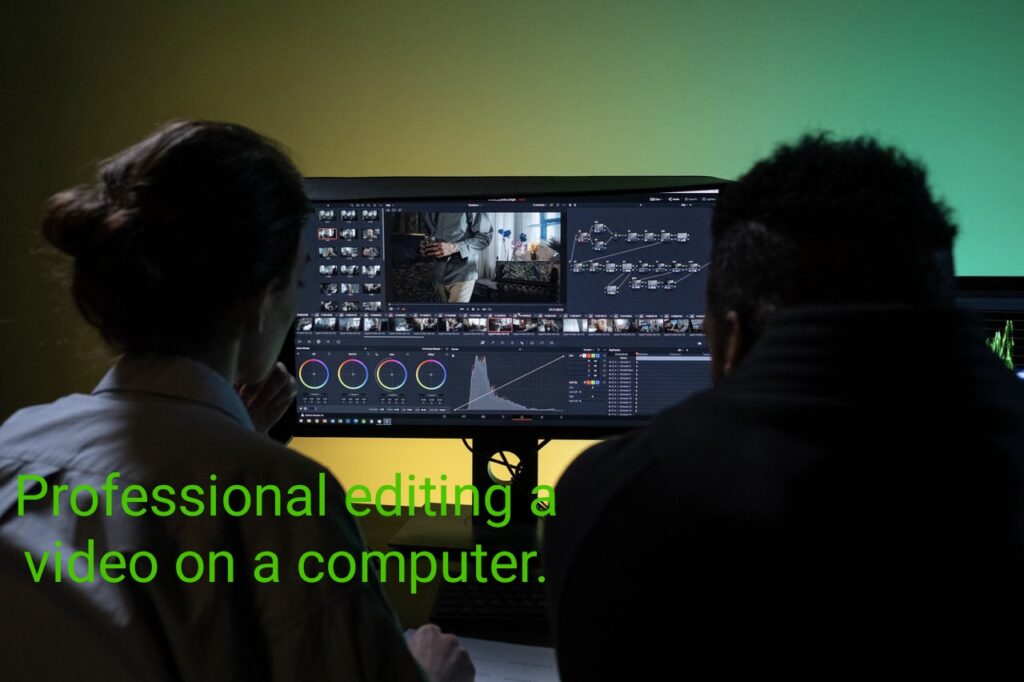
    4. Video Editing

    Short-form videos dominate today’s digital platforms.

    Creators, businesses, educators, and brands all need engaging videos for platforms like YouTube, Instagram, Facebook, and TikTok.

    If you can edit videos professionally, you’ll always find opportunities.

    Beginner Tools

    •CapCut

    •DaVinci Resolve

    •Canva Video Editor

    •Adobe Premiere Pro (advanced)

    Skills to Learn

    •Cutting clips

    •Adding transitions

    •Color correction

    •Sound editing

    •Captions

    •Motion graphics

    Career Opportunities

    •Freelance Video Editor

    •YouTube Editor

    •Social Media Editor

    •Agency Video Editor

    Why It’s Valuable

    The demand for video content continues to grow, making video editing one of the most practical and future-ready digital skills.

    “Video editing is one of the fastest-growing digital skills in the creator economy.”

    If you’re building your career online, don’t miss our guide on 7 morning habbit that increase productivity and focus for Students to explore more ways to earn using digital skil

    https://sandeepblogging.com/7-morning-habits-increase-productivity-focus/

    5. Graphic Design

    Every business needs eye-catching visuals for social media, websites, advertisements, and branding. That’s why graphic design remains one of the most in-demand digital skills.

    The good news? You don’t need expensive software to get started. Free tools like Canva make designing easy for beginners.

    What You’ll Learn

    •Social media post design

    •Logo creation

    •Brand identity

    •Presentations

    •Marketing materials

    Career Opportunities

    •Freelance Graphic Designer

    •Social Media Designer

    •Brand Designer

    •Marketing Designer

    Free Learning Platforms

    •Canva Design School

    •YouTube Tutorials

    •Adobe Express Learn

    Why It’s Valuable

    Every company needs visual content, making graphic design a skill with consistent demand.

    “Creative design skills help businesses stand out online.”

    6. Digital Marketing

    Digital marketing helps businesses reach customers through search engines, social media, email, and online advertising.

    As more businesses move online, the demand for digital marketers continues to grow.

    Skills You’ll Learn

    •Social Media Marketing

    •Email Marketing

    •Google Ads

    •Content Marketing

    •Analytics

    Career Opportunities

    •Digital Marketing Executive

    •Marketing Consultant

    •Freelance Marketer

    •Business Owner

    Free Learning Platforms

    •Google Digital Garage

    •HubSpot Academy

    •Meta Blueprint

    7. Content Writing

    Businesses need blogs, website content, newsletters, and product descriptions.

    If you enjoy writing, content writing can become an excellent high-income skill.

    Skills You’ll Learn

    •SEO Writing

    •Blog Writing

    •Website Content

    •Research Skills

    •Editing

    Career Opportunities

    •Content Writer

    •Blogger

    •Copywriter

    •Technical Writer

    Why It’s Valuable

    Quality content helps businesses attract customers and improve search engine rankings.

    “Great content builds trust and attracts long-term opportunities.”

    8. Social Media Management

    Businesses need professionals who can grow their online presence.

    Social media managers create content, schedule posts, respond to comments, and analyze performance.

    Platforms

    •Instagram

    •Facebook

    •LinkedIn

    •Pinterest

    •X (Twitter)

    Career Opportunities

    •Social Media Manager

    •Community Manager

    •Content Strategist

    •Brand Manager

    9. Data Analysis

    Every company uses data to make better business decisions.

    Learning data analysis allows you to understand trends, customer behavior, and business performance.

    Beginner Tools

    •Microsoft Excel

    •Google Sheets

    •Power BI

    •SQL (Basic)

    Career Opportunities

    •Data Analyst

    •Business Analyst

    •Reporting Executive

    Why It’s Valuable

    Data-driven decision-making is becoming essential across every industry.

    https://www.freecodecamp.org/?

    10. Web Development

    Every business needs a website.

    Learning web development allows you to build websites, portfolios, landing pages, and online stores.

    Beginner Skills

    •HTML

    •CSS

    •JavaScript

    •WordPress

    •Responsive Design

    Career Opportunities

    •Web Developer

    •WordPress Developer

    •Front-End Developer

    •Freelance Website Designer

    Why It’s Valuable

    Web development remains one of the highest-paying digital skills and offers excellent freelance opportunities.

    “Web development combines creativity with problem-solving.”

    https://sandeepblogging.com/how-to-build-self-discipline/

    Final Thoughts

    The future belongs to people who never stop learning.

    In 2026, employers and clients are looking for individuals who can solve problems, adapt to technology, and deliver real value. By learning just one high-income skill, you can improve your career, increase your earning potential, and create new opportunities.

    Remember:

    •You don’t need to master all ten skills.

    •Choose one skill.

    •Practice consistently.

    •Build real projects.

    •Keep learning.

    The journey may take time, but the investment in yourself will continue to pay off for years.

    If you found this guide helpful, share it with someone who wants to become more productive and disciplined.

    Explore more articles on https://www.sandeepblogging.com to learn about productivity, blogging, AI tools, online earning, and personal growth.